
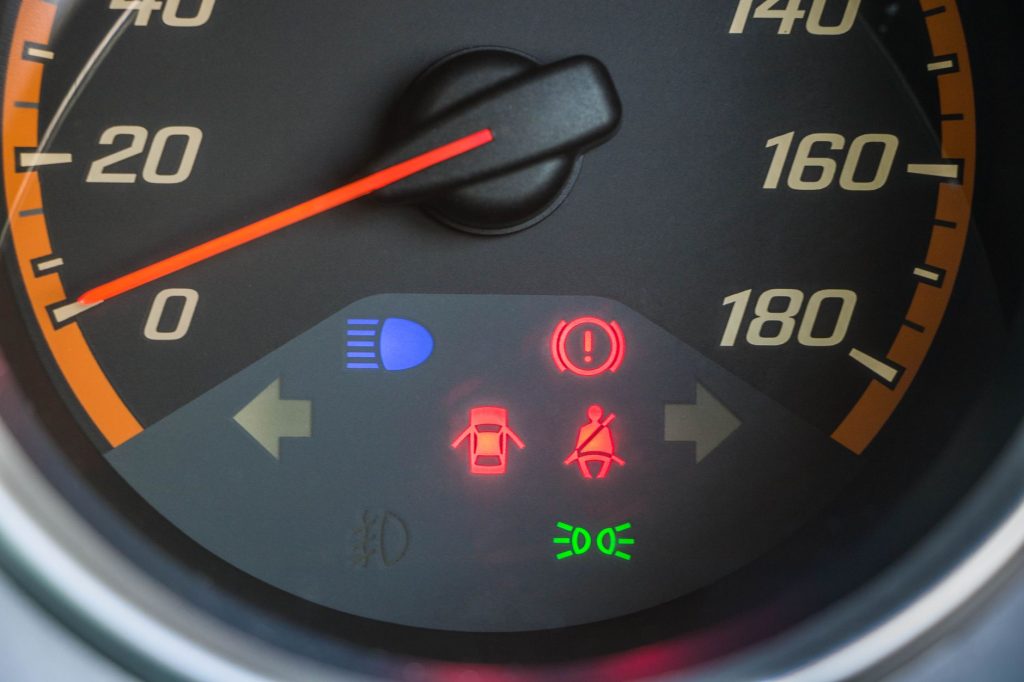
For fleet managers and independent shops working on Mercedes-Benz Sprinters, the tire pressure monitoring system has become a predictable headache. The OE sensors fail, the dash lights up with a cryptic warning, and the replacement costs at the dealer can approach triple digits per wheel. That’s why the BH-Sens RDE077V21 has been generating quiet buzz in the aftermarket — it’s a pre-programmed 433MHz sensor that claims fitment across not just Sprinters, but Aston Martin, BMW, Maybach, Mini, and a few others you wouldn’t expect to share a parts bin.
But here’s the question that matters: does it actually fit your Sprinter, and how do you verify that before you buy?
The Fitment Reality Check
The RDE077V21 carries OE cross-references to 36106872774, 42607WAA02, and 5A3DC0401. Those numbers cover a surprisingly wide net. The 36106872774 is the Mercedes-Benz part number used across the W906 Sprinter (2006-2018) and into the newer W907/W910 generation (2018-present) for 433MHz systems. The 42607WAA02 is the Honda/Acura application, which tells you this is a multi-platform sensor using the same physical and electronic architecture.
Here’s the catch with Sprinters specifically: Mercedes used multiple TPMS frequencies depending on market and model year. North American Sprinters predominantly use 433MHz, but European-market vans can run 315MHz or even 868MHz depending on the production date. The RDE077V21 is strictly 433MHz, so if you’re working on a grey-market import or a van originally sold outside North America, stop right here and check the frequency before you order.
The compatibility list shows 61 dedicated vehicle fitments. That’s not a marketing number — Baolong Technology, the manufacturer behind the BH-Sens brand, is an OE supplier to several German automakers, which explains why the same sensor body appears across such disparate brands. For the Sprinter, this sensor replaces the original in both the valve-stem clamp-in configuration and the metal housing that bolts into the wheel.
How to Verify Fitment Before You Spend
| Checkpoint | What to Look For | Why It Matters |
|---|---|---|
| Frequency | 433MHz on the old sensor body | Mismatched frequency = no signal, period |
| OE Part Number | 36106872774 or 42607WAA02 printed on the original | Direct cross-reference to RDE077V21 |
| Sensor Type | Clamp-in metal valve, not snap-in rubber | The RDE077V21 is clamp-in; snap-in wheels need a different sensor |
| Production Year | 2006+ for W906, 2018+ for W907/W910 | Older T1N Sprinters (1995-2006) use a different system entirely |
| Programming | Pre-programmed — no cloning tool required | Plug and play, but only if the ID matches or the vehicle accepts auto-learn |
The pre-programmed aspect is the big selling point here. Unlike blank sensors that need a TPMS programming tool to copy the original sensor IDs, the RDE077V21 comes ready to install. On most Sprinter models, the vehicle will auto-learn the new sensor ID after a short drive at speeds above 20 mph. Some older W906 models require a handheld trigger tool to activate the learning mode, but that’s a $50 investment any shop doing regular TPMS work should already own.
One mistake we see constantly: technicians assume all Sprinter wheels use the same torque spec for the clamp-in sensor. They don’t. The W906 aluminum wheels require 4 Nm on the sensor nut, while some aftermarket steel wheels need 6 Nm. Overtightening strips the brass threads inside the sensor body — and once those threads are gone, the sensor is scrap. The RDE077V21 uses a standard M6 thread, so any reputable TPMS torque wrench will do the job.
The Aftermarket vs. Dealer Decision
Let’s talk price. A dealer OEM sensor for a Sprinter runs $85-$120 per unit, depending on your region and whether you’re getting the latest supersession. The RDE077V21 typically lands in the $25-$40 range through Longwei Parts. For a dual-rear-wheel Sprinter, that’s four to six sensors per van. At dealer prices, you’re looking at $500-$700 just in sensors. The aftermarket option cuts that to under $200.
The trade-off used to be reliability. Early aftermarket TPMS sensors were notorious for battery failure within two years. Baolong is different — they’ve been an OE supplier for Mercedes-Benz since 2012, and their sensors carry the same Murata battery that goes into factory units. Expected lifespan is 5-7 years, which matches the original equipment.
There’s also the question of whether your Sprinter’s TPMS module needs a software update to accept aftermarket sensors. On W906 models with the older BCM, we’ve seen cases where the system rejects sensors with non-Mercedes IDs unless the van gets a module flash. That’s rare — maybe one in fifty vans — but it’s worth knowing before you install all six sensors and find the warning light still blinking. If you have access to a Mercedes diagnostic tool, check the TPMS module software version against the latest release. If it’s more than two versions old, update before installing new sensors.
Market Outlook and Buyer Takeaway
The TPMS landscape for Sprinters is shifting. Mercedes has been consolidating its sensor part numbers, and the aftermarket is responding with multi-fit sensors like this one that reduce inventory complexity. For a shop that services mixed fleets — a few Sprinters, some BMW sedans, the occasional Aston Martin — the RDE077V21 means stocking one SKU instead of five. That’s real money in inventory carrying costs, not to mention the reduced risk of grabbing the wrong part off the shelf.
For the DIY Sprinter owner, the math is even simpler. A set of six pre-programmed sensors at aftermarket pricing is less than the deductible on most comprehensive insurance claims. And since the sensor is pre-programmed, you don’t need to find a shop with a TPMS cloning tool just to get the van back on the road.
If you’re ordering the RDE077V21 for a Sprinter, double-check the valve stem length. The standard sensor works with factory aluminum wheels, but if your van is riding on aftermarket wheels with thicker mounting bosses, you may need a longer valve stem kit. That’s a separate purchase, but it’s a $5 part that saves you from returning a $35 sensor.
The bottom line: this sensor covers the vast majority of North American Sprinters from 2006 onward, and the pre-programmed design removes the biggest installation barrier. Verify your frequency, confirm the OE part number, and you’re good to go. For fleet operators, the BH-Sens RDE077V21 is the kind of part that simplifies the supply chain without compromising on the one thing that matters: keeping that TPMS light off and the van in service.

Recommended Part: RDE077V21 – OE-quality aftermarket part, ready to ship.