
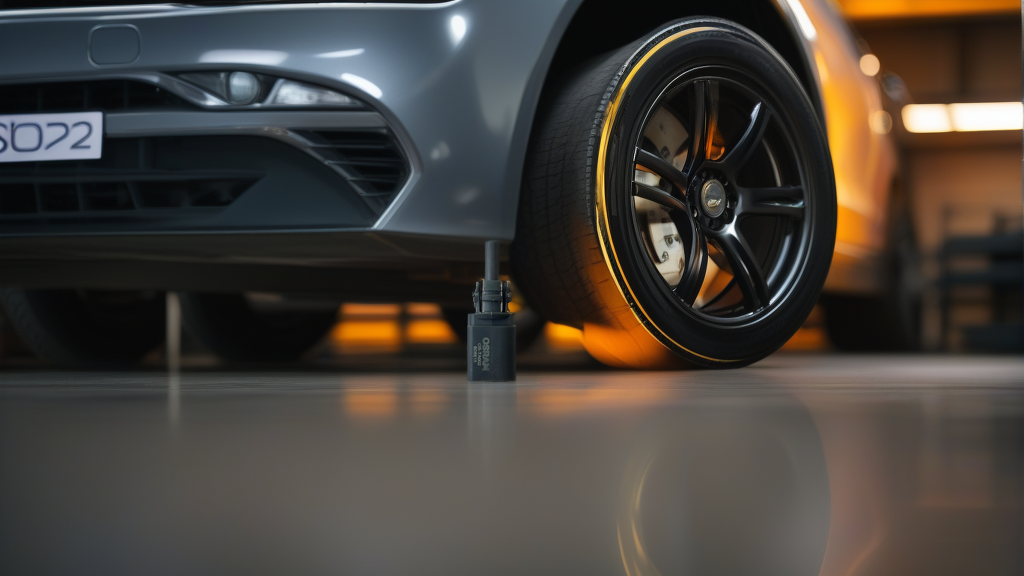
For years, the default answer in European repair shops was simple: if it’s an Audi, you fit OEM. The logic was sound—factory parts carry a known pedigree, and the tolerances are guaranteed. But that wisdom is being challenged, particularly in the sensor category, as aftermarket manufacturers like OSRAM deliver components that not only match the original specifications but often exceed them in durability. The conversation has shifted from “Will it fit?” to “Why pay double for the same number stamped on a box?”
The ambient temperature sensor on an Audi is a small, unassuming component, but its failure is anything but subtle. When it goes bad, your climate control starts reading the outside air as a balmy 40°C in the middle of winter, or the display simply shows dashed lines. The car’s logic for the auxiliary heater, the AC compressor engagement, and even the defroster timing all rely on this single data point. It’s a classic case where a cheap part—or a poorly made one—can make a luxury vehicle feel decidedly entry-level.
The Quality Gap: What You’re Actually Paying For
Let’s be brutally honest about the OEM vs aftermarket debate. The original equipment manufacturer for this sensor is often a specialist supplier anyway. Audi doesn’t make their own ambient temperature sensors; they buy them from companies like Osram or Siemens and put them in a branded box. When you buy an aftermarket part from a tier-one supplier like OSRAM, you are frequently buying the exact same silicon, the same thermistor, and the same housing that rolls off the line for the Audi factory—just without the four rings logo printed on the plastic.
The key difference isn’t the core component but the quality control and the material grade. A genuine Audi sensor (OE# 8Z0820535A) is built to withstand temperature swings from -40°C to +85°C, as well as constant exposure to road salt, moisture, and UV radiation. Cheap no-name aftermarket units often use a thinner plastic housing and a lower-grade epoxy sealant. They work fine for six months, then they start to weep moisture internally, causing the resistance to drift and the readings to go haywire.
The OS-TA002, however, is built to the OSRAM standard, which in the automotive world is a benchmark. The connector pins are plated to resist corrosion, and the sensor element is sealed in a solid-state encapsulation that doesn’t degrade with vibration. In terms of raw signal accuracy, the difference between this and the genuine part is negligible—often within a fraction of a degree Celsius. The real value is that it will stay accurate for the long haul.
Price/Value Analysis: The Math of the Swap
Here is where the decision gets interesting for a shop owner or a DIYer. A genuine Audi ambient temperature sensor from the dealer typically retails for anywhere between $40 and $70 depending on the model year and the current exchange rate. The aftermarket equivalent—specifically the OSRAM OS-TA002—usually lands in the $15 to $25 range.
On paper, that’s a 60% savings. But the value analysis goes deeper than the initial invoice. Consider the labor time. On most Audi models (A3, A4, TT, and the Q7), the sensor is located in the lower grille or behind the front bumper cover. Swapping it out is a 15-minute job, but it requires removing some trim clips or, on certain models, dropping the under-tray. If you are paying a shop $100+ per hour for labor, you do not want to do this job twice because you saved $5 on a sensor from a no-name brand.
The smart play is to buy the best aftermarket part you can find. The OS-TA002 offers that peace of mind. It fits five distinct Audi applications, making it a solid stock item for any independent shop that services VAG products. Because it’s a direct replacement, the plug-and-play nature means no wiring harness butchering or resistor tricks—something we see all too often from technicians trying to bypass a failed sensor with a fixed resistor to fake a temperature reading. Don’t do that; it’s a hack that ruins the climate control logic.
When to Choose OEM vs Aftermarket
There is still a place for buying OEM, and I’ll be the first to say it. If you are restoring a concours-level RS6 or a low-mileage TT to 100% factory originality, the premium for the genuine part is justified. Also, if your Audi is still under a factory extended warranty and you want zero pushback on a future claim, the OEM route is the safe route.
But for the 99% of cases—daily drivers, tuned cars, or older models where the original sensor has simply died of old age—the aftermarket is the smarter move. The performance metrics are identical, the build quality is comparable, and the price is frankly where it should be. The days of aftermarket sensors being “the cheap option that fails early” are largely over, at least when you stick to tier-one suppliers like OSRAM.
Market Outlook
The trend for 2026 is clear: consolidation and specialization. We are seeing fewer “universal” sensors and more vehicle-specific, high-quality aftermarket drop-ins. As supply chain issues continue to affect dealer networks for older Audi models, aftermarket parts like the OS-TA002 are becoming the primary solution, not the fallback. Availability is generally better, and the logistics of shipping a small sensor from a specialized supplier are faster than waiting for a dealership to pull a part from a central warehouse.
For the independent mechanic, keeping one of these on the shelf is a no-brainer. It turns a diagnostic issue into an immediate fix, rather than a “call the customer back when the part arrives” scenario.
The Bottom Line on the OS-TA002
If you’re facing a climate control error code (often logged as a plausibility fault on the J519 control module) or a wild temperature reading on your dash, the fix is straightforward. Don’t overthink the brand debate. The OS-TA002 | OSRAM Ambient Temperature Sensor | Fits Audi | OE# 8Z0820535A offers the reliability of the OE unit without the dealership markup. It’s a direct fit, it’s built by a company that actually supplies the auto industry, and it will restore your Audi’s HVAC system to factory-correct operation.
For the shop owner, it’s the high-margin, low-complaint part that keeps the bay moving. For the DIY owner, it’s a $20 fix that restores a luxury feature. In this case, the aftermarket isn’t just a viable alternative; it’s the recommended course of action. Skip the dealer, skip the cheap knock-offs, and fit the part that does the job right the first time.

Recommended Part: OS-TA002 – OE-grade replacement, in stock now.