
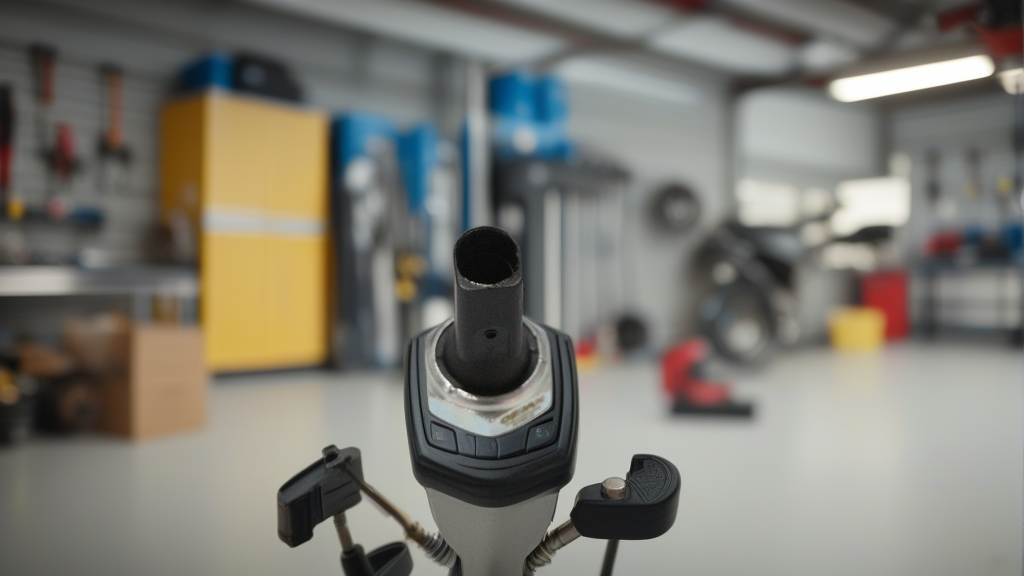
The Audi 1.8T engine family—spanning the A4, A6, and TT from the late 1990s through the mid-2000s—has a well-documented quirk: the oil pressure sensor sits directly above the exhaust manifold, bathed in heat every time the engine runs. Over time, that heat degrades the internal diaphragm and the plastic housing becomes brittle. The result is a sensor that either leaks oil down the side of the block or triggers a false low-pressure warning at idle, sending owners into a panic and shops into a diagnostic spiral.
For B2B buyers sourcing these parts in volume, the problem isn’t finding a supplier. It’s finding a supplier who understands that not all oil pressure sensors are built to survive that specific thermal environment. Here’s what to verify before you commit to a bulk order.
The 06A919081J Cross-Reference Trap
The OE number 06A919081J appears across a staggering number of aftermarket catalogs. The trap? Many listings lump together the 1.8T sensor with the 3.0 V6 version, which uses a different thread pitch and electrical connector. They look nearly identical in photos. They are not interchangeable.
The 1.8T application uses a M10x1 thread with a 1-bar threshold (closes the circuit below 0.3 bar, opens above). The V6 version uses a different pressure threshold and wiring configuration. If you order blindly based on a vehicle year alone, you’ll end up with a shelf full of parts that don’t communicate correctly with the ECU—and returns will eat your margin.
The OSRAM OS-OPA004 is specifically engineered for the 1.8T applications, but the broader lesson stands: verify the OE cross-reference against the actual engine code, not just the model year. Audi changed engine codes mid-cycle, and the sensor specification changed with them.
Thermal Rating: The Spec Most Buyers Skip
Here’s where bulk buyers often get burned. A sensor that works fine in a lab at 25°C can fail within 12 months in a real-world 1.8T engine bay. The proximity to the exhaust manifold means sustained temperatures of 120°C to 150°C are normal. The cheap units—the ones that come in at $4 to $6 per unit landed—typically use a lower-grade PBT plastic housing that degrades under that heat. They work for a few months, then the connector tabs become brittle and crack, or the diaphragm hardens and produces erratic readings.
When evaluating a bulk supplier, ask for the material datasheet. Specifically, ask about the housing material’s heat deflection temperature. The OS-OPA004 uses a glass-filled nylon housing rated for continuous operation above 150°C, which is why it has become a default replacement in shops that see frequent 1.8T sensor failures. If a supplier can’t provide that specification, treat it as a red flag.
Connector and Wiring Harness Compatibility
The 1.8T oil pressure sensor uses a two-pin connector. The pin spacing and locking tab design changed subtly across production years. Early engines (1997-2001) used a different connector housing than later units (2002-2005). If you’re sourcing for a mixed fleet or a retail inventory, you need a sensor whose connector matches both generations, or you’ll need to stock two SKUs.
The OS-OPA004 uses a universal two-pin connector that fits both generations, which is one reason it appears in 3 distinct Audi applications in the catalog. For bulk buyers, this reduces SKU complexity—one part number covers the vast majority of 1.8T oil pressure sensor replacements.
The 4-Point Pre-Order Checklist
Before you place that purchase order, run through this checklist:
- Confirm the thread size and pitch. M10x1 for 1.8T. If the listing says M12x1.5, it’s for the V6. Walk away.
- Verify the pressure threshold. The 1.8T uses a normally-open switch that closes at low pressure. Some aftermarket units are normally-closed, which will trigger a warning light immediately upon installation.
- Check the connector orientation. The sensor should be keyed to fit the harness without forcing. A sensor that requires bending the harness is a future wiring failure.
- Request a heat soak test report. Reputable manufacturers test sensors at sustained high temperatures. If the supplier can’t produce one, assume the sensor will fail early.
Price Analysis: What Bulk Pricing Should Look Like
The retail price for a brand-name oil pressure sensor for the 1.8T ranges from $15 to $35. In bulk quantities (100+ units), you should be paying between $6 and $9 per unit for a quality part with proper thermal ratings. Below that, you’re almost certainly getting a sensor that will fail prematurely—and the labor cost to replace it (0.5 to 1 hour at shop rates) will far exceed the part cost savings.
Where to Buy and What to Demand
When sourcing from a supplier, demand three things: a written warranty (minimum 12 months), batch-level quality documentation, and a clear return policy for defective units. Avoid suppliers who can’t identify the manufacturing origin of their sensors. The OS-OPA004, for example, is manufactured under OSRAM branding with full traceability to the production batch.
If you’re a shop owner stocking for your own bays, the math is simple: a sensor that fails costs you double labor. If you’re a distributor, a failed part costs you the customer relationship. The premium for a properly engineered sensor is pennies per unit. The downside of a cheap sensor is measured in comebacks, chargebacks, and lost trust.
Bottom Line: For Audi 1.8T oil pressure sensors, verify the thermal rating, confirm the connector generation, and insist on the correct thread pitch. The | OE# 06A919081J](https://longweiparts.com/product/os-opa004-osram-oil-pressure-sensor-fits-audi-oe-06a919081j/”>OS-OPA004) checks all three boxes and covers 3 Audi applications—making it a solid anchor SKU for both shop stock and distribution inventory. Buy it, stock it, and stop losing money on comebacks.

Recommended Part: OS-OPA004 – OE-grade replacement, in stock now.