
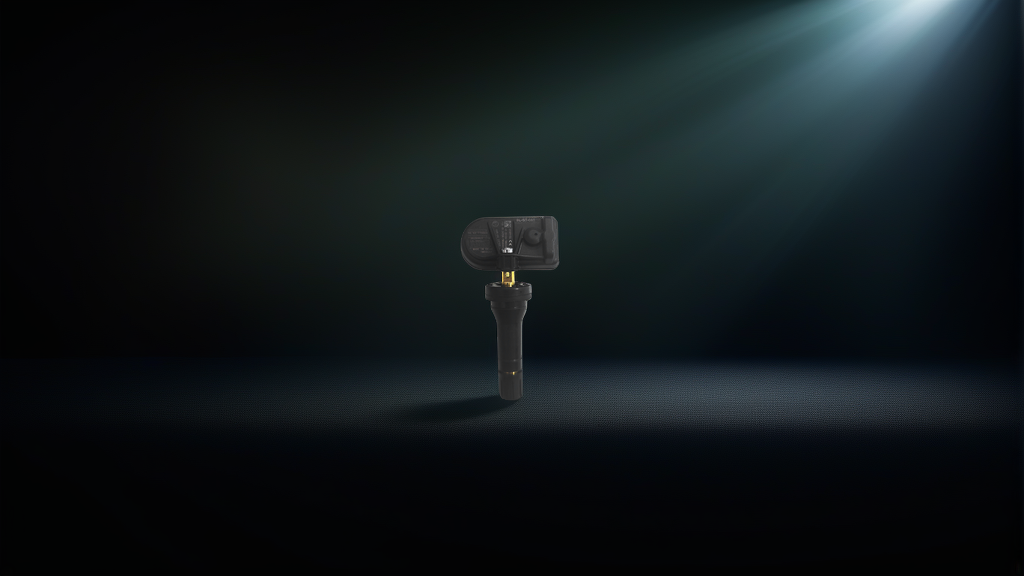
Leapmotor has carved out a reputation for value-packed EVs that punch above their weight class, but like any modern vehicle, their tire pressure monitoring systems are vulnerable to the one variable no engineer can control: the weather. As temperatures swing from the brutal cold of January to the asphalt-melting heat of August, the TPMS sensors on the C10, T03, and C11 face conditions that can shorten their lifespan, corrupt their data, or kill them outright.
For shop owners and fleet managers servicing Leapmotor vehicles, understanding how seasonal temperature shifts impact these 433MHz sensors is no longer optional. It’s the difference between a quick 20-minute replacement and a comeback job that eats your afternoon.
The Physics of Pressure and the Sensor’s Burden
Here’s what happens inside a Leapmotor’s tire when the mercury drops: air contracts, pressure drops roughly 1-2 PSI for every 10°F change. The TPMS sensor, mounted at the valve stem, is constantly sampling this pressure and transmitting data at 433MHz to the vehicle’s receiver. In winter, the sensor works harder to detect smaller pressure differentials, and the lithium battery inside must operate at reduced efficiency — cold temperatures can cut battery output by up to 50% in extreme cases.
Summer brings the opposite problem. Heat expands air, pressure rises, and the sensor’s internal components — the pressure transducer, the RF transmitter, and the battery — all operate at elevated temperatures that accelerate chemical degradation. The result? A sensor that worked flawlessly in spring starts throwing intermittent faults by late August.
The factory-installed sensors on Leapmotor models are decent units, but they’re not immune to this seasonal cycling. After three or four winter-summer transitions, the internal battery begins to dip below the 2.4V threshold required for reliable 433MHz transmission. When that happens, you’ll see the dreaded TPMS warning light with no obvious cause — the tires are properly inflated, but the sensor simply can’t report it.
Diagnosing Seasonal Sensor Failure
A common scenario: a customer brings in a 2023 Leapmotor C11 with the TPMS light illuminated every morning but shutting off after 20 minutes of driving. That’s a classic cold-weather symptom. The sensor’s battery is weak, and the cold reduces its output below the transmission threshold. Once the vehicle warms up and the battery recovers slightly, the sensor starts transmitting again.
Don’t fall for the easy fix. Replacing the battery isn’t possible — these units are sealed. And reprogramming a sensor that’s transmitting intermittently is a waste of the customer’s money. The correct diagnostic path is to verify the sensor’s signal strength with a TPMS tool, confirm the battery voltage is low, and recommend replacement.
When it comes to replacement, the aftermarket has stepped up. The BL-ST-085 | BH-Sens 433MHz TPMS Tire Pressure Sensor | Fits Leapmotor | OE# 8083010BA01 BL-ST-085 from BH-Sens — Baolong Technology’s aftermarket division — is a direct-fit, pre-programmed 433MHz sensor that covers seven Leapmotor applications, including the C10, C11, and T03. It’s a clamp-in design, weighs about an ounce, and matches the OE frequency exactly. No programming required; it syncs with the vehicle’s receiver out of the box.
What matters for your shop is that this unit uses a fresh, high-quality battery rated for extended temperature tolerance. Baolong is one of the largest OE TPMS manufacturers in the world, so this isn’t a no-name import with questionable QC. It’s a known quantity.
Pro Tip: When replacing TPMS sensors on Leapmotor vehicles, always inspect the valve stem nut and cap for corrosion. Seasonal road salt and moisture creep into the threads, and a seized nut can damage the new sensor during installation. A thin coat of anti-seize on the threads prevents this on the next removal.
Storage and Longevity: What Techs Should Know
If you’re stocking TPMS sensors for Leapmotor vehicles — or advising customers who keep spare tires or winter wheel sets — storage conditions matter more than most people realize.
Heat is the enemy. A sensor sitting in a metal shed that hits 140°F in summer will experience accelerated battery self-discharge. The internal lithium cell loses capacity permanently at high temperatures. Ideal storage is a climate-controlled area between 50°F and 77°F, with the sensor kept out of direct sunlight.
Moisture is the second killer. While the sensor is sealed, the rubber gasket at the valve stem can degrade over time. If you’re storing a spare wheel with a sensor mounted, keep the wheel off concrete floors and on a rack. Concrete wicks moisture, and over months, that humidity attacks the gasket and the sensor’s internal PCB.
For shops that pre-stock the BL-ST-085, the packaging matters. These units come in sealed anti-static bags designed to protect the electronics and maintain battery shelf life. Keep them in that packaging until you’re ready to install. Don’t stock them loose in a drawer with other parts.
The 433MHz Question: Does Frequency Matter in Winter?
There’s a persistent myth that 433MHz sensors perform worse in cold weather compared to 315MHz units. The physics doesn’t support that. RF transmission at both frequencies is affected by temperature-induced battery voltage drops, but the frequency itself — 433MHz versus 315MHz — isn’t the limiting factor. The limiting factor is battery health and antenna design.
Leapmotor uses 433MHz across its lineup, and the BL-ST-085 matches that spec. The real-world performance difference between a fresh aftermarket sensor and a worn factory unit is night and day, regardless of frequency. A new sensor with a healthy battery will transmit reliably down to -40°F and up to 185°F, which covers every legitimate operating condition a Leapmotor will face.
What you should watch for is signal interference in dense urban environments. 433MHz can face more obstacles from buildings and other RF sources than 315MHz. That’s a vehicle design consideration, not a sensor defect. If a customer complains about intermittent TPMS readings in a specific parking garage or dense downtown area, that’s RF shadowing, not a faulty sensor.
Seasonal Checklist for Leapmotor Owners
For the shop owner or technician communicating with customers, this is the practical advice that prevents repeat visits:
- Before winter: Check all four sensors for battery voltage using a TPMS tool. Replace any unit reading below 2.5V. Cold weather will push weak batteries over the edge.
- Before summer: Verify sensor seals for cracks or hardening. Heat cycling makes rubber brittle, and a leaking seal causes slow pressure loss that masquerades as a sensor fault.
- Tire rotations: Always use a TPMS tool to re-register sensor positions after rotation. Leapmotor’s system can auto-learn positions, but it’s faster and more reliable to do it manually.
- Spare tires: If the spare has a sensor, check its battery annually. Spares often sit unused for years, and the battery drains regardless.
The Bottom Line on Leapmotor TPMS Maintenance
Seasonal temperature swings don’t just change tire pressure — they stress the entire TPMS ecosystem. For Leapmotor owners, the practical reality is that sensors have a finite lifespan of roughly 5-7 years, and extreme climates shorten that window. When a sensor fails, the smart move is replacement with a quality aftermarket unit like the BL-ST-085 | BH-Sens 433MHz TPMS Tire Pressure Sensor | Fits Leapmotor | OE# 8083010BA01 BL-ST-085 that matches OE specifications without the dealership markup.
For shops, stocking a reliable pre-programmed 433MHz sensor eliminates the headache of programming tools and compatibility matrices. The BL-ST-085 covers the Leapmotor range, installs with standard tools, and carries the backing of a manufacturer that supplies OE sensors globally. In a market where EV owners are increasingly cost-conscious about maintenance, offering a dependable aftermarket alternative builds loyalty — and keeps those Leapmotor customers coming back season after season.

Recommended Part: BL-ST-085 – OE-grade replacement, in stock now.