The BYD SONG L DM-I has carved out a serious niche in the midsize SUV segment since its launch, and with the 2026 model year rolling into dealerships, owners are starting to hit that familiar three-to-five-year tire pressure monitoring system replacement window. If you’ve owned any modern vehicle long enough, you know the drill: one morning you fire up the dash and there it is—the dreaded TPMS warning light, stubbornly blinking before settling into a steady glow. For SONG L DM-I owners, that moment often arrives with a side of frustration, because the factory replacement path is both slow and expensive.
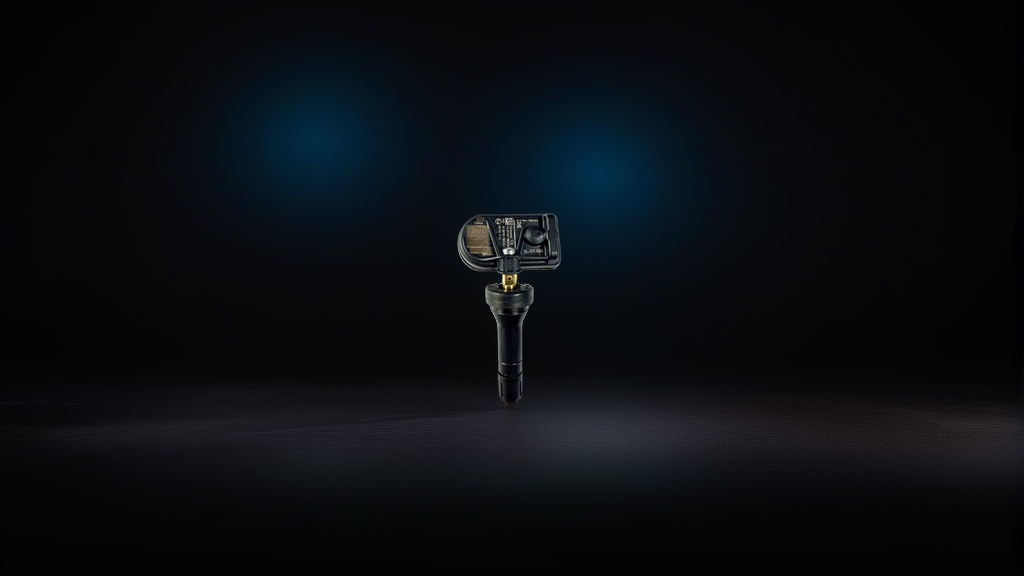
Here’s what’s happening in the aftermarket space right now. Baolong Technology, the OEM supplier behind a significant chunk of BYD’s TPMS lineup, has been pushing its BH-Sens brand further into the independent channel. The BL-ST-096 sensor, a 433MHz clamp-in unit pre-programmed for BYD applications, is showing up in more distributor catalogs and shop inventories across North America and Europe. That’s a meaningful development for SONG L DM-I owners who are tired of waiting weeks for a dealer-sourced part or paying dealership markup on something that’s essentially a commodity component.
The OEM vs. Aftermarket Reality Check
Let’s be direct about what you’re actually getting when you buy an OEM TPMS sensor for the SONG L DM-I. You’re paying for the BYD logo stamped on the housing, the OE part number EUEA3609200B on the box, and the peace of mind that comes with a dealership warranty. What you’re not getting is a fundamentally different piece of hardware. Baolong makes the OEM unit. Baolong makes the BH-Sens aftermarket unit. The internals—the pressure transducer, the accelerometer, the 433MHz RF transmitter—are built to the same specification. The difference is packaging, branding, and price.
The price gap is where things get interesting. A dealer will typically quote somewhere between $85 and $120 per sensor for a SONG L DM-I, depending on your region and whether you’re paying list price or negotiating. The BH-Sens BL-ST-096 comes in at a fraction of that—often 40 to 50 percent less—while offering the same 433MHz frequency, the same clamp-in valve stem design, and the same pre-programmed fitment for BYD vehicles. When you’re replacing all four sensors, that difference adds up to real money. On a SONG L DM-I, you’re looking at potentially $150 to $200 in savings for a full set.
What Pre-Programmed Actually Means for Your SONG L DM-I
One point that confuses a lot of owners is the pre-programmed aspect. Some aftermarket TPMS sensors ship blank and require a programming tool to write the correct vehicle ID and frequency before installation. The BL-ST-096 skips that step. It arrives already configured for BYD’s TPMS protocol, which means it’s a direct install—remove the old sensor, mount the new one, torque the valve stem nut to spec, and the vehicle’s receiver picks it up without requiring a relearn procedure in most cases.
That’s a genuine advantage for independent shops that don’t want to invest in a multi-brand TPMS programming tool, and it’s a godsend for DIY owners who just want to swap a sensor without buying $300 worth of diagnostic equipment they’ll use once. For the SONG L DM-I specifically, this matters because BYD’s TPMS system is known to be picky about sensor compatibility. A generic universal sensor might work, but it might also throw intermittent faults that drive you crazy. The BL-ST-096’s pre-programmed nature eliminates that variable.
The sensor’s 34-vehicle application list means it covers not just the SONG L DM-I but a broad swath of BYD’s current and recent lineup. That’s useful if you’re a shop that services multiple BYD models or if you own more than one BYD vehicle. One SKU on the shelf covers a lot of ground, which simplifies inventory management and reduces the chance of ordering the wrong part.
Key Specs: BH-Sens BL-ST-096
| Specification | Detail |
|---|---|
| Brand | BH-Sens (Baolong Technology) |
| SKU | BL-ST-096 |
| OE Reference | EUEA3609200B, 110964, BLST096 |
| Frequency | 433MHz |
| Sensor Type | Clamp-in, pre-programmed |
| Compatibility | BYD (34 vehicle applications) |
| Replacement Strategy | Direct install, no programming required |
When OEM Still Makes Sense
I’m not going to tell you aftermarket is always the right call, because that would be dishonest. There are situations where paying for the OEM part is the smarter move. If your SONG L DM-I is still under warranty—and BYD’s factory warranty typically covers TPMS components for the first few years—then letting the dealer handle it is the no-cost option. Don’t spend money fixing something that’s covered.
Similarly, if your vehicle is the subject of a TPMS-related recall or service bulletin, you want the OEM part to ensure compliance. BYD has had a few TSBs related to TPMS sensor battery life in certain models, and if your SONG L DM-I falls into that range, the dealer fix is the documented remedy. Aftermarket parts, even from the OEM manufacturer, don’t always satisfy recall requirements.
And there’s the insurance angle. If your SONG L DM-I was in an accident and the TPMS sensors were damaged, your insurer is likely to spec OEM parts for the repair. Fighting that battle over a $50 difference per sensor isn’t worth the headache. Let the insurance company pay for the OEM parts and move on.
The Case for Aftermarket
For everyone else—and that’s the majority of SONG L DM-I owners—the aftermarket path is increasingly compelling. Here’s the thing: TPMS sensors are wear items. Their internal batteries are designed to last roughly five to seven years, and when they die, the sensor is scrap. There’s no rebuilding it, no replacing the battery. You’re buying a new sensor, period. So the question becomes whether you want to pay dealer pricing for that inevitable replacement or take the aftermarket route.
The BL-ST-096’s build quality is worth noting. Baolong has been manufacturing TPMS sensors for over two decades and supplies OEM units to multiple automakers, not just BYD. The housing is sealed to IP67 standards, which means it can handle the mud, salt spray, and road grime that a SONG L DM-I will encounter in normal use. The valve stem is nickel-plated to resist corrosion, which is a common failure point on cheaper aftermarket sensors. The threads are clean and consistent, and the sensor seats properly in the wheel without the wobble you sometimes see on no-name imports.
Real-world performance data is still emerging, but early reports from shops that have installed the BL-ST-096 on SONG L DM-I vehicles show accurate pressure readings within ±1 PSI of a manual gauge, consistent temperature reporting, and no signal dropouts at highway speeds. The 433MHz signal strength is comparable to the OEM unit, which is exactly what you’d expect from a sensor that shares its fundamental design with the factory part.
Market Outlook and Buyer Takeaway
The TPMS aftermarket is consolidating around a few key suppliers, and Baolong is one of them. Their move into the independent channel represents a shift in how OEM suppliers are thinking about the aftermarket. Instead of letting third-party brands undercut them with inferior products, they’re launching their own value lines and capturing that margin directly. For consumers, that’s a win. You get genuine OEM-grade hardware without the OEM markup.
For SONG L DM-I owners facing TPMS replacement in 2026, the decision framework is straightforward. If you’re under warranty or dealing with a recall, stay OEM. If you’re paying out of pocket, the BL-ST-096 | BH-Sens 433MHz TPMS Tire Pressure Sensor | Fits BYD (2025+) | OE# EUEA3609200B, 110964, BLST096 delivers the same underlying technology at a significantly lower price point. It’s pre-programmed, it fits 34 BYD applications, and it comes from the same factory that built your original sensor. When you’re replacing all four corners, the savings cover a full tank of fuel and then some.
The market is moving toward this model, and it’s not hard to see why. TPMS sensors are a forced replacement item—you can’t ignore a dead sensor and pass inspection in most states and provinces. When that replacement is inevitable, smart buyers choose the path that delivers equal performance for less money. For the SONG L DM-I, the BH-Sens BL-ST-096 is that path.

Recommended Part: BL-ST-096 – OE-grade replacement, in stock now.