
The parking lot at a Mhero dealership in Urumqi hit 52°C on the tarmac last July, and the service bay was seeing a predictable spike in tire pressure warnings. Not from punctures — from sensor batteries cooking themselves into early retirement. If you’re running a shop that services Mhero’s growing lineup of off-road-capable EVs, you’ve likely noticed something else: the factory TPMS sensors don’t always survive a second winter, let alone a third summer of desert-grade thermal cycling.
Here’s the thing about temperature and TPMS sensors that most drivers — and even some techs — miss. These aren’t passive components. The internal battery and the piezoelectric crystal that measures pressure are both thermally stressed every time the vehicle transitions from a freezing overnight soak to a hot asphalt run. For Mhero vehicles, which are marketed heavily toward overlanding and remote driving, that thermal stress isn’t occasional. It’s the operating envelope.
The Thermal Reality Check
When ambient temperature drops from 25°C to -10°C, tire pressure drops roughly 5-7 psi. The TPMS sensor has to detect that change, transmit a signal, and do it while the battery’s internal resistance is spiking. Cold batteries deliver less current. Less current means weaker RF transmission. Weaker transmission means missed signals, intermittent warnings, and the occasional “no signal” fault that sends a customer back to your shop convinced the sensor died.
It didn’t die. It just couldn’t shout loud enough.
On the flip side, summer heat accelerates battery chemistry. A sensor that’s rated for five to seven years of typical use might see its lifespan cut to three or four years in climates where cabin temperatures inside the tire assembly routinely exceed 80°C during sustained highway driving. Mhero vehicles, with their aggressive tire profiles and heavier unsprung mass, run hotter tire temps than a typical sedan. That’s physics, not speculation.
The BL-ST-063’s Place in the Service Bay
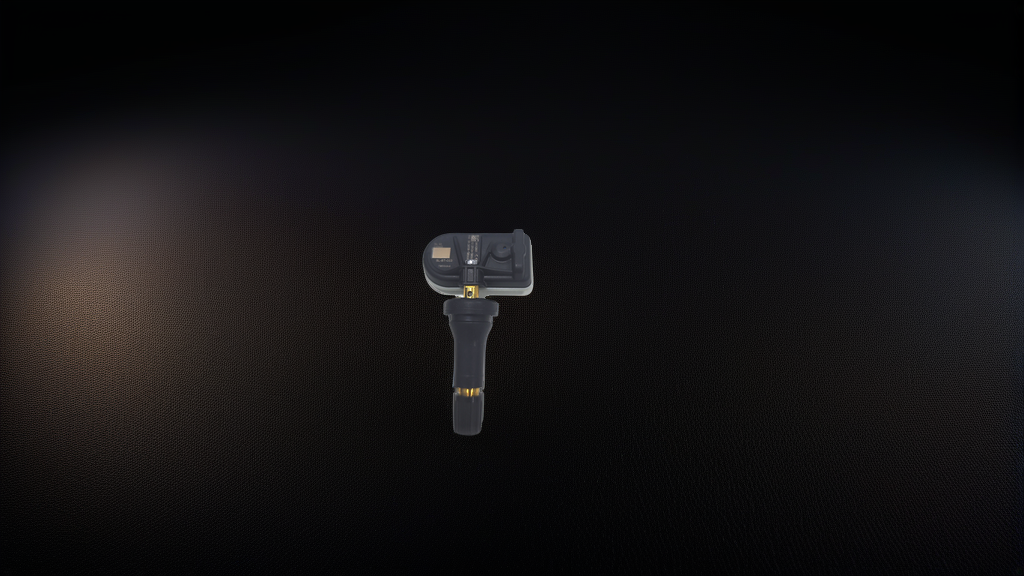
This is where the BH-Sens 433MHz unit — sold as SKU BL-ST-063 — becomes relevant for shops doing seasonal maintenance on Mhero vehicles. Baolong Technology, the parent brand, has been supplying OE TPMS to Chinese automakers for over a decade. The 433MHz frequency band remains the dominant standard for Chinese domestic vehicles, including the Mhero platform’s 15 dedicated OE fitments.
What matters for your shop isn’t the frequency, though. It’s the pre-programmed nature of the unit. You’re not cloning, not programming, not dealing with a blank sensor that requires a separate tool. Clamp-in, pre-programmed, install and relearn. For a seasonal tire changeover — which is exactly when most TPMS failures surface — that’s the difference between a 20-minute job and a 45-minute diagnostic headache.
The OE cross-references (E300019160, E300020260, H56A7920001AC) tell you this isn’t a generic universal. It’s a direct replacement for the specific Mhero application. And the weight? Roughly in line with OEM specs, which matters more than most people think. A heavier sensor can cause wheel balance issues at highway speeds. A lighter one can vibrate in the valve stem housing. Baolong’s been making these long enough to know where that sweet spot sits.
Key Specs at a Glance
- Brand: BH-Sens (Baolong Technology)
- Frequency: 433MHz
- Type: Clamp-in, pre-programmed
- Compatible Platforms: Aeolus, Eπ, Mhero, Nammi, Voyah
- OE References: E300019160, E300020260, H56A7920001AC
- Fitments: 15 dedicated vehicle applications
- Installation: Direct swap, relearn required
Seasonal Maintenance Reality Check
Here’s the practical advice we give to shops running seasonal changeover programs for Mhero owners. When the customer comes in for winter tires, don’t just swap the rims and call it done. Check the sensor battery voltage while the tire is off. Most TPMS tools will show you a live voltage reading. If it’s below 2.8V, that sensor is going to fail before the next seasonal changeover. Replace it now, while the wheel is already in your hands, rather than dealing with a comeback in February when the customer’s low-tire light starts flashing at -20°C.
The BL-ST-063 is built for exactly this scenario. Pre-programmed means you don’t need to match the sensor ID to the vehicle’s current data — it comes ready to broadcast in the correct protocol for the Mhero platform. You’ll still need to do a relearn procedure after installation, but that’s a two-minute scan tool operation, not a programming session.
One thing to watch: the 433MHz band is congested in dense urban environments. If you’re diagnosing intermittent TPMS faults on a Mhero in a city like Guangzhou or Shenzhen, check for aftermarket dashcams, toll transponders, or even cheap LED interior lights that can generate RF interference. We’ve seen a faulty aftermarket rearview camera feed cause a phantom TPMS fault on a Voyah that had nothing to do with the sensor itself. Don’t replace a good sensor without checking for interference first.
The Market Outlook
Aftermarket TPMS options for Chinese domestic brands are still maturing. The OE channels control most of the replacement market through dealership networks, but that’s shifting. Independent shops are increasingly seeing Mhero, Voyah, and Aeolus vehicles in their bays as these brands push beyond their home markets into Southeast Asia, the Middle East, and Latin America. The BL-ST-063’s multi-brand compatibility makes it a sensible inventory item for shops that want to cover four different Chinese brands with one SKU.
For the Mhero owner doing their own seasonal tire swaps, the math is simpler. A sensor that costs a fraction of the dealer price and installs in under 30 minutes beats a dealership appointment that eats a Saturday morning. And given how these vehicles are used — long-range off-road trips, remote camping, border-to-border touring — a TPMS sensor that survives temperature extremes is not a luxury.
When you’re prepping a Mhero for the next season — whether that’s summer heat that kills weak batteries or winter cold that exposes weak transmissions — the BL-ST-063 from Longwei Parts is the replacement that holds up. We stock it specifically because the Mhero platform’s thermal demands weed out cheaper alternatives. If you’re buying one sensor, buy this one. If you’re stocking for a shop, buy a case. The fitment coverage across Aeolus, Eπ, Nammi, and Voyah means it’ll move.

Recommended Part: BL-ST-063 – OE-grade replacement, in stock now.