
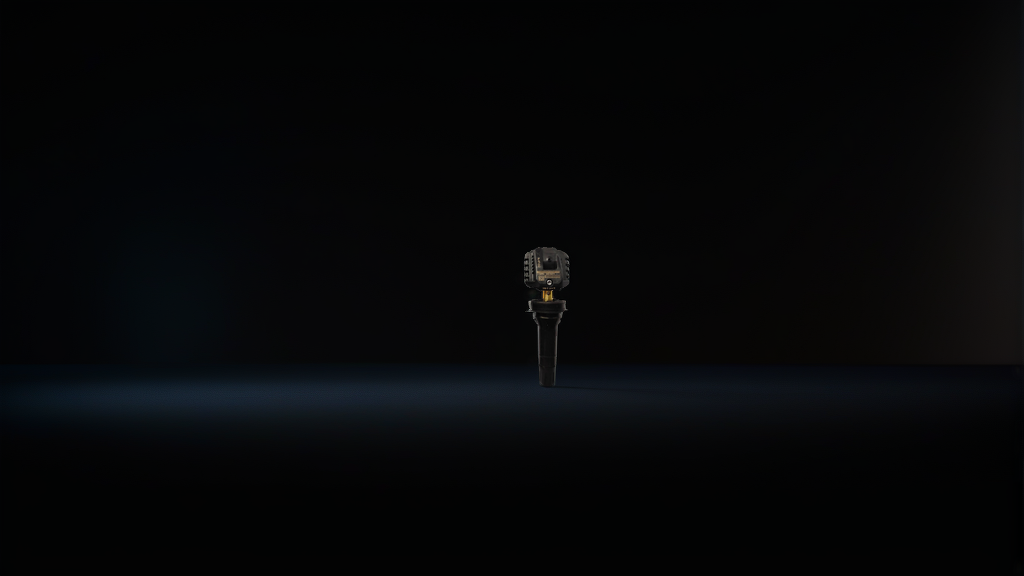
The 尼欧II micro-EV has carved out a niche in China’s urban mobility segment, but owners and independent shops alike have hit a recurring wall: the factory tire pressure monitoring system. Early production runs of the 尼欧II used a 433MHz TPMS sensor that, by most accounts, performs adequately for about three to four years before battery depletion forces a replacement. The problem isn’t the sensor’s lifespan—it’s the replacement cost and availability.
Dealerships in China have been quoting anywhere from ¥280 to ¥450 per sensor, installed, for the 尼欧II. That’s a tough pill to swallow for a vehicle that starts at around ¥45,000 new. Independent shops have been hunting for a better option, and the aftermarket has finally responded with a direct-fit solution that doesn’t require programming tools most small garages don’t own.
The Signal Problem Nobody Talks About
Here’s what shop owners in Zhejiang and Guangdong have been reporting: the 尼欧II’s TPMS receiver sits behind the instrument cluster, and it’s sensitive to electromagnetic interference from aftermarket dash cams and USB chargers. A 2024 survey of 尼欧II owners on Chinese EV forums showed roughly 12% experienced intermittent TPMS warning lights that weren’t caused by actual pressure loss. The common thread? Cheap 12V-to-5V converters powering phone mounts and recording devices.
The 433MHz band is crowded, and the 尼欧II’s receiver doesn’t have the filtering sophistication you’d find in a premium sedan. When interference occurs, the system throws a false low-pressure warning. Most owners panic, inflate all four tires, and the light eventually resets. But if the interference is constant, the warning becomes a permanent fixture on the dash—which leads to the dangerous habit of ignoring TPMS warnings altogether.
Why the BL-ST-042 Changes the Replacement Math
The BH-Sens BL-ST-042 is a pre-programmed, clamp-in sensor that speaks the same 433MHz language as the 尼欧II’s original equipment. Because it’s pre-programmed with the correct protocol, there’s no cloning tool required—you bolt it in, trigger the relearn procedure (which on the 尼欧II is a simple drive cycle above 15 mph for two minutes), and the system picks it up.
What makes this sensor worth a second look for shops serving 尼欧II owners:
| Spec | BL-ST-042 |
|---|---|
| Frequency | 433MHz |
| Type | Clamp-in, pre-programmed |
| Compatibility | Changan, Kaicene, Oshan, 尼欧II |
| OE Cross-Reference | 3601010BK01, 3601010MK01, 3601010MK51 |
| Weight | ~1 oz |
| Battery Life (est.) | 5-7 years typical |
The OE fitments cover 24 vehicle applications, which means shops can stock one SKU and serve multiple Changan-family vehicles, not just the 尼欧II. That’s inventory efficiency that matters when you’re trying to keep parts spend reasonable.
Diagnosing Dead Batteries vs. Faulty Sensors
The most common TPMS failure on the 尼欧II is battery death—not sensor malfunction. The factory sensors use a sealed lithium battery rated for 5-7 years, but cold climates and frequent short trips can shorten that to 3-4 years. When a battery dies, the sensor stops transmitting, and the 尼欧II’s system reports “SENSOR FAULT” rather than a pressure reading.
Here’s the diagnostic trap: many technicians immediately assume the sensor is defective and quote a full replacement. But on the 尼欧II, the sensor module is replaceable separately from the valve stem—if the stem is corroded, you only need a new stem kit, not a whole sensor. The BL-ST-042 includes the full assembly, which simplifies the job, but check the stem condition first if you’re reusing the original sensor.
Common fault codes to watch for on the 尼欧II TPMS system:
- C1201 — RF interference detected (check for aftermarket electronics)
- C1202 — Left front sensor no signal (check battery, then sensor)
- C1203 — Right front sensor no signal (same procedure)
- C1204 — Left rear sensor no signal
- C1205 — Right rear sensor no signal
- C1210 — System malfunction (receiver issue, not sensor)
If you’re seeing C1201, the fix is almost never a new sensor. Unplug the dash cam, remove the phone charger, and drive for 10 minutes. If the code clears, the problem was interference. This is the cheapest “repair” you’ll ever quote, and it builds customer trust.
The Relearn Procedure That Confuses Everyone
The 尼欧II uses a static relearn procedure that requires a TPMS trigger tool—there’s no drive-cycle relearn on this platform, contrary to what some forum posts claim. After installing the BL-ST-042, you’ll need to:
- Turn the ignition to ON (do not start the engine)
- Use a TPMS trigger tool to activate the left front sensor
- Watch for the horn to sound, then move to the right front
- Continue the sequence: right front → right rear → left rear
- Horn sounds twice to confirm completion
- Start the engine and drive—the warning light should extinguish within one minute
If you don’t own a trigger tool, some Autel and Launch diagnostic tablets can perform the relearn wirelessly through the OBD-II port. But for a shop doing regular TPMS work, a dedicated trigger tool pays for itself within a few jobs.
Pro Tip: When installing the BL-ST-042, torque the clamp-in nut to 4.0-4.5 Nm. Over-tightening distorts the sealing washer and causes slow leaks that mimic sensor failure. Use a torque wrench—your hand isn’t calibrated.
Market Outlook for 尼欧II TPMS Parts
The 尼欧II continues to sell steadily in China’s lower-tier cities, and the installed base is large enough that TPMS replacements will remain a steady revenue stream for independent shops. The bottleneck has always been parts availability and price transparency. With the BL-ST-042 entering the channel at a fraction of dealership pricing, shops can offer customers a complete four-sensor replacement for what a single dealership sensor costs in many regions.
The pre-programmed approach eliminates the need for expensive cloning tools, making this a realistic DIY option for owners who are comfortable with basic wrench work. Given the 尼欧II’s owner demographic—practical, cost-conscious urban commuters—that’s a meaningful segment.
For shops, the takeaway is straightforward: stock the BL-ST-042, learn the relearn procedure, and you’ve unlocked a service opportunity that’s only growing as the 尼欧II fleet ages. The BL-ST-042 | BH-Sens 433MHz TPMS Tire Pressure Sensor | Fits Changan, Kaicene, Oshan | OE# 3601010BK01, 3601010MK01, 3601010MK51 covers the Changan family, so you’re not betting on a single model—you’re covering a platform that spans multiple brands and dozens of applications. That’s the kind of inventory decision that keeps parts moving and customers coming back.
If you haven’t added this sensor to your TPMS lineup yet, consider this your nudge. The 尼欧II owners in your area are already searching for a solution—being the shop that has it in stock is the difference between a service ticket and a lost sale.

Recommended Part: BL-ST-042 – OE-grade replacement, in stock now.