
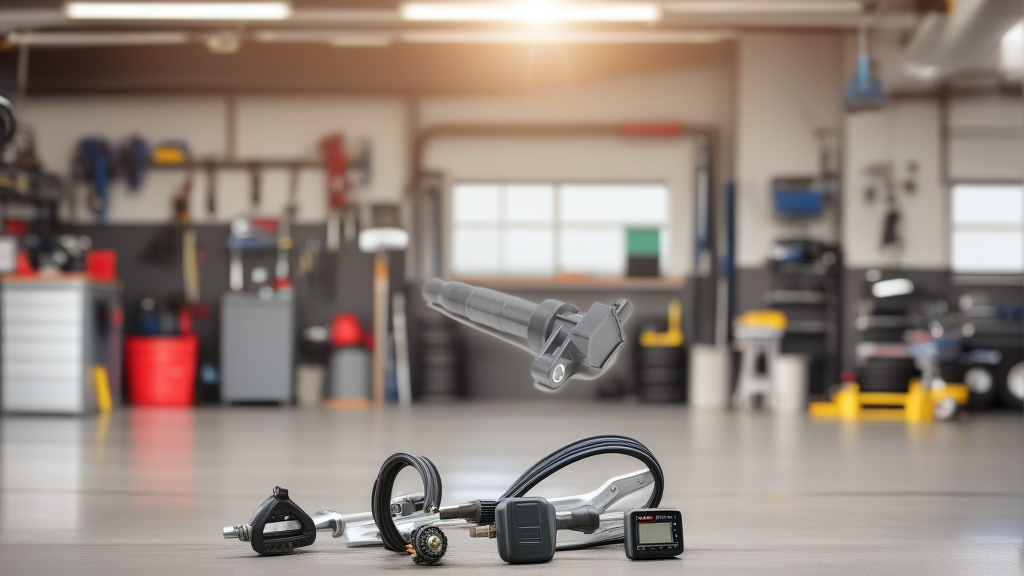
Ask any shop owner in the Upper Midwest or New England what fails first when temperatures swing from 90°F to 5°F within a week, and the answer is rarely the battery. It’s the ignition coil. Hyundai owners in particular—especially those running Sonatas and Elantras with the Theta II or Nu engines—start calling in late November with misfire codes P0301 through P0304, and the culprit is almost always a coil that couldn’t handle thermal cycling.
Ignition coils are sealed epoxy units, but that sealing works against them in extreme weather. Every freeze-thaw cycle causes micro-cracking in the potting compound. Moisture finds those cracks. Once humidity gets inside, the secondary winding starts leaking voltage to ground instead of firing the plug. The OS1205 from OSRAM—a direct replacement for Hyundai OE part numbers 273013C000 and 273013C010—uses a denser epoxy formulation that resists this kind of seasonal degradation, which is why it’s become a fast-moving SKU for shops doing winter prep work.
Key Specs
- Brand: OSRAM
- Part Type: Ignition Coil (pencil-style, coil-on-plug)
- OE Reference: 273013C000, 273013C010
- Compatibility: Hyundai models using the 2.0L and 2.4L Theta engines (2011–2019 Sonata, 2011–2016 Santa Fe Sport, 2013–2018 Elantra GT, among others)
- Construction: Fully potted epoxy housing, brass secondary terminal, stainless spring
What Temperature Extremes Actually Do to Coil Performance
Here’s the physics that matters. Coil output drops as ambient temperature rises because winding resistance increases—that’s normal. But the bigger seasonal problem is condensation. A coil that runs hot (cylinder head at 200°F+) and then gets soaked by a cold rain or snowmelt will pull moisture through any microscopic gap in the housing. That moisture flash-boils when the car restarts, creating internal pressure spikes and accelerating insulation breakdown. The OS1205’s tighter tolerance on the secondary winding and its high-temp epoxy body give it a meaningful edge over budget coils that were never designed for climates with 100°F annual temperature swings.
If you’re doing a winterization service on a Hyundai with 60,000+ miles and the original coils still installed, don’t wait for a misfire code. The labor cost to replace coils during a scheduled tune-up is roughly a third of what you’ll bill for a tow-in and diagnostic on a car that died at a stoplight in January. Replace them proactively with the OS1205, install new plugs at the same time, and verify the valve cover gasket isn’t leaking oil into the spark plug wells—oil contamination kills coils faster than any electrical fault.
Pro Tip: When replacing coils on a Hyundai Theta engine, check the rubber boot for cracks before you assume the coil itself is bad. A torn boot allows arc-through to the cylinder head, which produces the same misfire code but costs $12 instead of $85 to fix. Replace the boot, keep the coil, and save the customer money.
Market Outlook
With Hyundai pushing extended service intervals on newer models, the aftermarket demand for reliable ignition components is only growing. Longwei Parts is stocking the OS1205 as a core SKU for North American and European distributors who service Hyundai fleets. The takeaway for buyers and shop owners: don’t buy the cheapest coil you can find, because seasonal failures will eat your warranty margin. Buy the one designed to survive the weather. For Hyundai owners preparing for winter or summer extremes, the OS1205 | OSRAM Ignition Coil | Fits Hyundai | OE# 273013C000 273013C010 is the part to specify—it’s direct-fit, tested to OE specs, and priced well below dealer stock.

Recommended Part: OS1205 – OE-grade replacement, in stock now.