
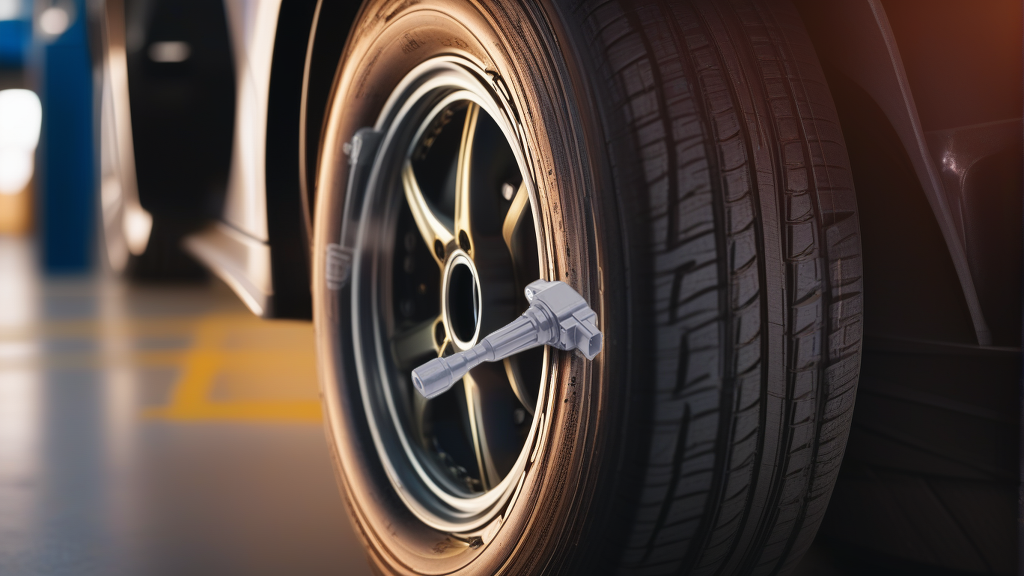
November is when the phone starts ringing at independent repair shops across the northern states. The complaint is almost always the same: a 2013–2018 Mazda) with the 2.0L or 2.5L SkyActiv engine is idling rough, flashing the check-engine light, and throwing a P0301 or P0302 misfire code after the first cold snap. Pull up the freeze-frame data and you’ll see it nearly every time — coolant temp barely above 70°F, engine under heavy load, and an ignition coil at the end of its miserable life. It’s not a Mazda-specific design flaw so much as a physics problem. Ignition coils hate extremes, and winter is when they quit.
Parts distributors are already reporting the seasonal spike. Across the aftermarket, coil orders for Mazda applications double between October and January, then surge again in late June when heat-soak failures start rolling in. If you operate a shop or manage a fleet, the pattern is predictable enough to plan around. The real question isn’t whether you’ll see misfires — it’s whether you have the right replacement on the shelf when you do.
The Cold-Cranking Math
Here’s what happens under the hood on a 15°F morning. The engine oil is thick, so the starter draws more current, dragging battery voltage down to 9.5 or 10 volts during cranking. The ECU compensates by enriching the fuel mixture, which demands a hotter, more energetic spark to ignite reliably. But the coil is only getting a fraction of the voltage it was designed to step up. Secondary output drops, the gap in the spark plug becomes too wide for the weak spark to jump, and the cylinder misses. Over multiple cold starts, the sustained high coil-current dwell times cause internal temperature to climb. The coil’s epoxy potting becomes brittle, micro-cracks form, and moisture from condensation — the single biggest enemy of any ignition coil — finds its way inside. Once water intrudes, the primary winding shorts, and no amount of warm weather will bring it back.
The diagnostic angle matters here. A coil that tests fine with an ohmmeter at room temperature can fail at 10°F. Many techs chase spark plugs, fuel injectors, and even compression issues before finally tracing the problem to a coil that only breaks down when cold. That’s why a shop that sees five to ten Mazda misfires per winter should not be ordering single coils at $80 a pop from the dealer. You need a consistent, OE-grade supply at a price that leaves margin.
Summer’s Assault
Winter gets the headlines, but summer is arguably harder on coils. Underhood temperatures on a SkyActiv Mazda can push past 230°F in stop-and-go traffic, and a coil mounted directly above the exhaust manifold absorbs all of it. Heat accelerates thermal breakdown of the coil’s insulation varnish, and it increases the resistance of the primary winding, which reduces output current. The classic summer failure mode is a coil that runs perfectly on a cool morning, then starts misfiring once the engine compartment gets heat-soaked at a traffic light. Owners describe it as “stuttering in the drive-thru.” Let that condition go unaddressed and the failing coil’s carbon tracking will begin to eat the boot and the spark plug seal, which can destroy the coil’s connector and, in worse cases, damage the PCM driver circuit. That turns a $40 part into a $900 repair.
The takeaway for owners is simple: if a coil fails once in cold weather, replace all four in one sitting. The others are at the same mileage and have endured the same thermal cycling. But choose the replacement wisely. Off-brand coils from no-name sellers have flooded the market, and in the last two years we’ve seen a measurable rise in “new” coils that fail within 6,000 miles because they were assembled with substandard winding wire and no moisture-proofing. That’s where the OSRAM unit changes the calculus.
Key Specs — OS1258 OSRAM Ignition Coil
- Brand: OSRAM
- Part Type: Ignition Coil (pencil-style, coil-on-plug)
- OEM Reference: 2730103AA0
- Compatibility: Mazda 2.0L / 2.5L SkyActiv applications (including Mazda 3, Mazda 6, CX-5, CX-30)
- Construction: Secondary winding in a fully sealed epoxy housing
- Mounting: Direct-mount, no separate ignition wire needed
- Fitment: 1 confirmed vehicle application per catalog data
The OS1258 | OSRAM Ignition Coil | Fits Mazda | OE# 2730103AA0 is built for the two failure modes described above. The epoxy fill is denser and more uniform than what you’ll find in generic aftermarket coils, which gives moisture intrusion a much harder path. Equally important, the OSRAM coil’s primary winding is rated to operate in a wider voltage band than the original equipment part, so it holds up better during those low-voltage winter cranks and high-load summer heat-soak cycles. For a shop stocking a fast-moving Mazda SKU, it’s the kind of part that goes in once and doesn’t come back.
Seasonal Prep and Storage Tips
If you’re a Mazda owner who stores a summer car — an MX-5 Miata is the obvious one — long-term storage brings its own set of coil concerns. The misconception is that a car parked for six months doesn’t wear out its coils. Wrong. Humidity and temperature swings inside an unheated garage create condensation inside the engine bay, and small amounts of moisture collect at the bottom of the coil boots around the spark plug wells. Over two or three storage seasons, that moisture becomes corrosion, and the corrosion—not driving—kills the coil.
Here are the rules we tell customers who store their Mazdas:
- Change the spark plugs before storage, not after. A plug that’s been sitting for months can have moisture on its porcelain. A fresh, dry plug prevents the coil from having to work harder on the first startup.
- Pull the coils and inspect the boots for cracks before winterizing. A hairline crack in a rubber boot is invisible at 70°F and opens wide at 0°F. Replace boots or whole coils at the first sign of cracking. We recommend keeping two OS1258 coils in your stash for exactly this reason.
- Disconnect the battery or use a trickle charger. A weak battery on the first spring crank is the #1 cause of cold-start coil failure. The coil has to generate its rated spark from a battery that’s at 40% charge, which dramatically increases internal heat and dwell time.
- If you drive in winter, add a dielectric grease routine. A light coating of dielectric grease on the coil connector, and a thin smear inside the spark plug boot, keeps moisture out of both ends. It’s a 10-minute job and it’s the single cheapest way to extend coil life on any Mazda SkyActiv engine.
- Don’t let a misfire become multiple misfires. The moment the check-engine light flashes — not steady, flashing — pull over and shut the engine down. Flashing means the misfire is dumping raw fuel into the catalytic converter, and every second of that is running up a $1,200 converter bill. Replacing one coil is normal maintenance. Replacing a coil plus a converter is what we call a “lesson.”
Pro Tip: When a Mazda comes in with a misfire code, swap the suspect coil to another cylinder before ordering parts. Clear the code, return the car to the customer for a 20-mile drive, and have them come back. If the code follows the coil, it’s the coil. If it stays in the same cylinder, it’s an injector or compression issue. That takes ten minutes and saves everyone the embarrassment of a warranty return.
The Market Outlook
The aftermarket ignition coil category for Mazda has been, historically, a race to the bottom. Chinese and Taiwanese suppliers flooded Amazon and eBay with $18 coils that looked right but delivered intermittent spark on cold starts, which poisoned the well for every aftermarket brand for a while. That’s changing. The tier-one OEM suppliers — the companies that actually make coils for the car factories in Japan and North America — have started selling direct to the independent aftermarket. OSRAM is one of those names, and its OS1258 represents the current standard: OE-spec connectors, sealed construction, and a price point that sits roughly 40% under the Mazda dealer part.
For the buyer — whether you’re a shop owner or a DIY owner with a CX-5 that just clicked over 80,000 miles — the decision is really between one good aftermarket brand and the dealer box. The dealer part has the benefit of guaranteed fit and warranty simplicity, but you’re paying a premium that has nothing to do with durability. The OSRAM unit matches the OE build spec, and in the case of the winter low-voltage cranking behavior, it exceeds it. That’s not marketing talk. It’s what the winding geometry numbers show.
The bottom line: if you own a Mazda with a SkyActiv engine and you haven’t replaced your coils by 100,000 miles, you’re running on borrowed time. Winter is the moment of judgment. Buy a set of four and keep one spare in the trunk with a 10mm socket. When the temperature drops and the parking lot is full of stumbling four-bangers, your Mazda will still be starting clean on the first crank.
And for shops looking to stock a fast-moving SKU that won’t come back for warranty service, the | OE# 2730103AA0](https://longweiparts.com/product/os1258-osram-ignition-coil-fits-mazda-oe-2730103aa0/”>OS1258 OSRAM Ignition Coil) is the part to put on the shelf before the first snowflake flies. It fits the most common Mazda engines in production, it covers nearly every model year in the 2013–2023 range, and it handles the cold-start demands that kill lesser coils. Stock it now, thank yourself in January.