
The Scenario: A 2022 SONG PRO DM-I SONG PRO DM-I rolls into the shop with an intermittent misfire under load. No check engine light, no stored codes. The driver says it’s been stumbling at highway speeds for two weeks. You hook up the scope, see a weak secondary pattern on cylinder three. Swap a known-good coil – problem vanishes. The original coil-on-plug unit looks clean but measures borderline primary resistance. Another 30,000 km and it would have failed outright.
That’s the reality of modern coil-on-plug (COP) systems on Chinese hybrids. They’re reliable enough for 60,000–80,000 km under normal driving, but heat soak from the turbo and the hybrid’s stop-start cycles accelerate dielectric breakdown. The SONG PRO DM-I uses a denso-derived COP design with an integrated driver. When you see consistent misfires after the engine reaches operating temperature, it’s usually the coil, not the spark plug.
To Upgrade or Not?
For a stock SONG PRO DM-I driven as a daily commuter, OEM replacement coils are the smart move. Fuel economy stays right at 5.1 L/100 km, and spark energy is matched to the ECU’s dwell curve. But if you’ve added a tune, run E85, or tow a trailer, aftermarket performance coils (higher turns ratio, lower internal resistance) can improve spark energy by 20–30%. The trade-off? Slightly shorter plug life and a possible 0.2–0.5 L/100 km fuel economy hit if you’re not on a calibration that takes advantage of the extra voltage. On a hybrid that only runs the engine part-time, the hit is negligible – but the improved combustion under load can smooth out that low-rpm hesitation.
The Hidden Sensor That Gets Overlooked
During that coil swap, I noticed oil weeping from the pressure sensor on the timing cover. On the BYD 1.5L engine in the SONG PRO DM-I, the oil pressure sensor (OE# L04E919081A) is a known weak point. A failing sensor can cause erratic idle, delayed VVT actuation, and even false low-pressure warnings that the ECM interprets as a misfire. If you’re already pulling coils, spend ten minutes replacing that sensor.
Common Mistake: Chasing a misfire through coils, plugs, and injectors while ignoring a drifting oil pressure signal. Always verify oil pressure at idle and 2,000 rpm with a mechanical gauge before condemning ignition components.
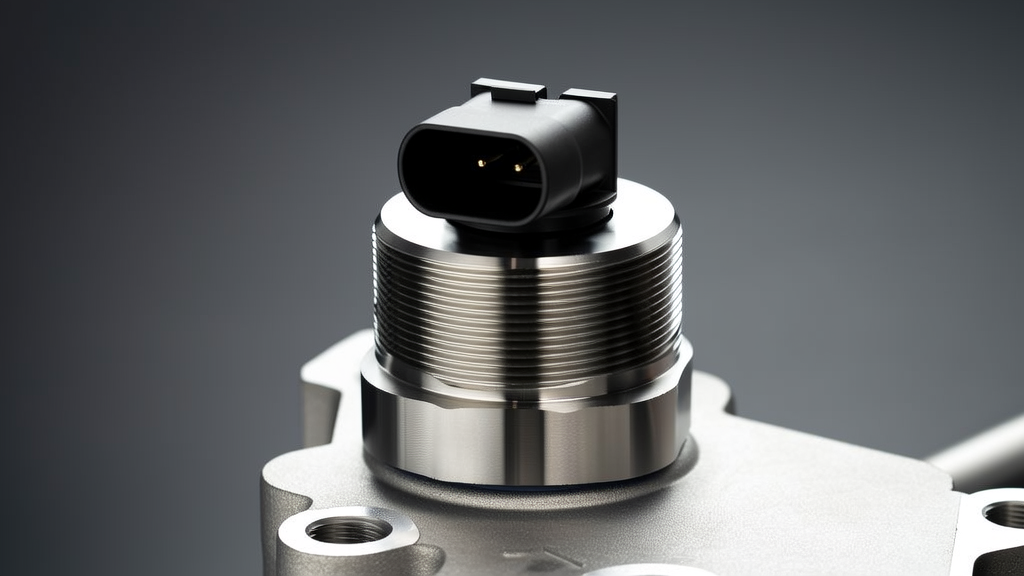
The OS-OPA001 | OSRAM Oil Pressure Sensor | Fits Audi | OE# L04E919081A OS-OPA001 from OSRAM is a direct-fit replacement, built to match the original Bosch-sourced specification but with upgraded sealing for longer life. It’s a fifteen-minute job: unplug the connector, unscrew the old sensor (16 mm socket), install the new one with a dab of thread sealant, and clear the adaption if needed.
Bottom-Line Advice for Shop Owners
Stock coils on the SONG PRO DM-I are adequate for 60,000 km. After that, keep a set of aftermarket performance coils on the shelf – they’re cheap and the customer will appreciate not coming back. And every time you do a coil job on this platform, recommend replacing the oil pressure sensor preemptively. It costs about the same as a fuel-up and saves a comeback diagnosis.
For a reliable sensor upgrade that won’t leak, the OS-OPA001 | OSRAM Oil Pressure Sensor | Fits Audi | OE# L04E919081A OS-OPA001 covers the OE footprint and has held up well in hot-climate fleets we’ve serviced. Whether you stick with stock coils or go for a hotter spark, solid oil pressure feedback is what keeps that hybrid drivetrain happy.