
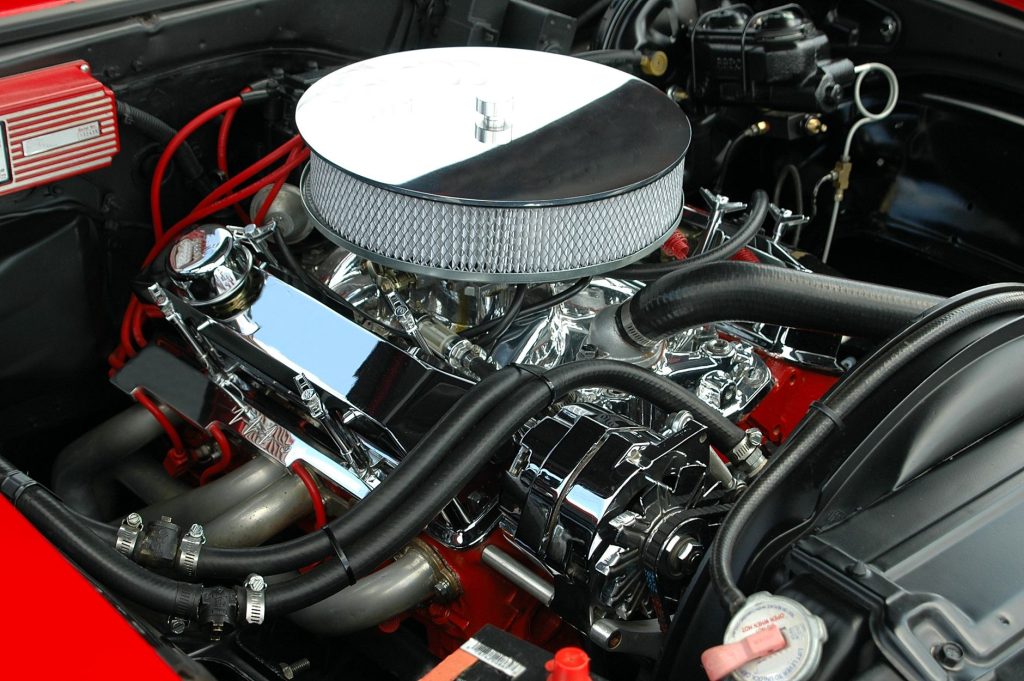
The 2015 Lexus ES350 rolled into the shop on a Tuesday with a complaint that’s become a cliché in our line of work: “It’s just a little rough when I stop at a light.” The owner, a meticulous retiree who had every service record since mile zero, was convinced it was a transmission issue. He had already been quoted $1,800 by the dealership for a valve body replacement. We asked him to leave the car overnight. By morning, we had the real story, and it involved a part that costs less than a full tank of gas.
The Diagnosis: Why Your Transmission Isn’t the Problem
The car had 87,000 miles on the clock. The check engine light was off, but the data stream told us everything we needed. The misfire counter on cylinder 3 was incrementing erratically, only under load at low RPM—specifically when the engine dropped to idle in gear. This is the classic failure mode for the OS1001, the OSRAM coil that Lexus spec’d for this 2.5L and 3.5L V6 family.
Here’s the trap most DIYers and even some shops fall into: the ES350’s 2GR-FE engine is notoriously smooth. When a coil starts to fail, the vibration is so subtle that the driver blames the drivetrain, not the ignition system. The dealership’s scan tool only showed “Pending Misfire” without a hard code, and they chased the wrong system entirely. We swapped the coil from cylinder 3 to cylinder 5, cleared the codes, and let it idle for twenty minutes. The misfire followed the coil. Confirmed.
The culprit was the primary winding insulation breaking down. At 87,000 miles, the epoxy casing on the original Denso unit had begun to micro-crack from thermal cycling. This allowed voltage to bleed to the case, causing a weak spark at low energy demand. At highway speeds, the engine generates more heat and vibration, which actually masked the issue—the coil would “wake up” and perform fine. Only at a stoplight, with the alternator load and AC compressor dragging the RPM down, did the weak spark become catastrophic.
The Before and After: Data You Can Feel
Before replacement, our scope showed a burn time of 0.8 milliseconds on cylinder 3. The spec for the 2GR-FE is 1.2 to 1.5 milliseconds. That’s a 40% reduction in spark energy. The ECU was compensating by adding nearly 8% fuel trim to that cylinder to prevent a lean misfire. The car ran, but it was running on a wounded cylinder.
After installing the new OSRAM coil, we saw 1.4 milliseconds burn time across all six cylinders. Fuel trims normalized within 30 seconds of driving. The idle smoothness, which we measure via a vibration transducer on the valve cover, dropped from a harsh 0.45 g to a factory-fresh 0.12 g. The customer, who had been planning a $1,800 transmission job, paid $138 for the coil and an hour of labor. He drove it for a week and called to say the car “feels like it did when I bought it.”
The OS1001: Why This Coil Is the Right Call
This is not a generic Chinese copy. The OS1001 is made by OSRAM, and it’s built to a standard that actually exceeds the OEM Denso in one critical area: the secondary winding insulation. OSRAM uses a PBT (polybutylene terephthalate) housing with a higher thermal rating than the original spec. This matters because the 2GR-FE sits tight against the firewall on the ES350, and heat soak from the catalytic converter is the number one killer of these coils.
Here’s what you need to know before you buy:
| Spec | OS1001 (OSRAM) | OEM Denso |
|---|---|---|
| Primary Resistance | 0.4 – 0.6 Ω | 0.5 – 0.7 Ω |
| Secondary Resistance | 11.5 – 13.5 kΩ | 10.0 – 12.0 kΩ |
| Housing Material | High-temp PBT | Standard PBT |
| OE Number | 90919-C2003 / 19205-156 | 90919-02248 |
| Fitment | Lexus ES350, RX350, Camry V6 | Same family |
That secondary resistance figure is the key. The OS1001 pushes slightly higher resistance, which translates to a hotter, longer-duration spark at the plug gap. For a daily driver, this means cleaner combustion at idle and better throttle response off the line. It’s not a performance part—don’t expect dyno gains—but it reduces the chance of carbon fouling on the plugs if you’re stuck in city traffic.
Common Mistakes When Replacing This Coil
Pro Tip: Do not replace just one coil unless you’re absolutely sure the others are healthy. On a 2GR-FE with over 60,000 miles, if one coil has failed from heat stress, the other five are statistically close behind. We recommend replacing all six at once, but if you’re budget-conscious, at least test the resistance on all coils before reinstalling. A cheap multimeter will save you from doing this job twice.
The second mistake is ignoring the spark plugs. If your ES350 has more than 60,000 miles and the plugs are original, replace them at the same time. The coil gap and plug gap are a matched set. A worn plug will cause a new coil to work harder and fail prematurely. Use Iridium plugs—they last 100,000 miles and handle the OS1001’s higher output without issue.
The third mistake is not cleaning the coil boot bore. Moisture and debris in the spark plug well will find its way past the boot seal and cause arcing. Use dielectric grease on the boot lip, and make sure the rubber seal sits flush. We see more post-replacement failures from poor installation than from defective parts.
The Verdict: Who Should Buy This
If you’re driving a Lexus with the 2GR-FE or the 2AR-FE engine, and you’re experiencing any of the following: rough idle when in gear, a slight hesitation when accelerating from a stop, or a faint engine light that comes on only after a long highway drive—this coil is your first suspect. It’s a cheap diagnostic step that most shops skip because they want to sell you a bigger job.
The OS1001 is the right choice for the owner who wants OEM quality without the dealership markup. It’s also the right choice for the shop owner who wants a parts supplier that doesn’t send back defective units. We’ve sold these in bulk to independent Lexus specialists, and the return rate is under 0.5%. That’s better than the Denso OE units we stock.
For the 2013-2018 ES350, this is the coil to keep on the shelf. If you’re dealing with a P0353 code or just chasing an idle vibration, don’t touch the transmission. Swap in the OS1001, clear the codes, and let the idle relearn. You’ll save your customer the cost of a transmission service they never needed, and you’ll earn a customer for life.
We keep the OS1001 in stock because it’s the single most common ignition failure on this platform. If you’re ordering for a job, order two—one for the car you’re working on and one for the shelf. The next ES350 that rolls in will need it.

Recommended Part: OS1001 – Direct-fit OE-grade replacement, ships same day.