
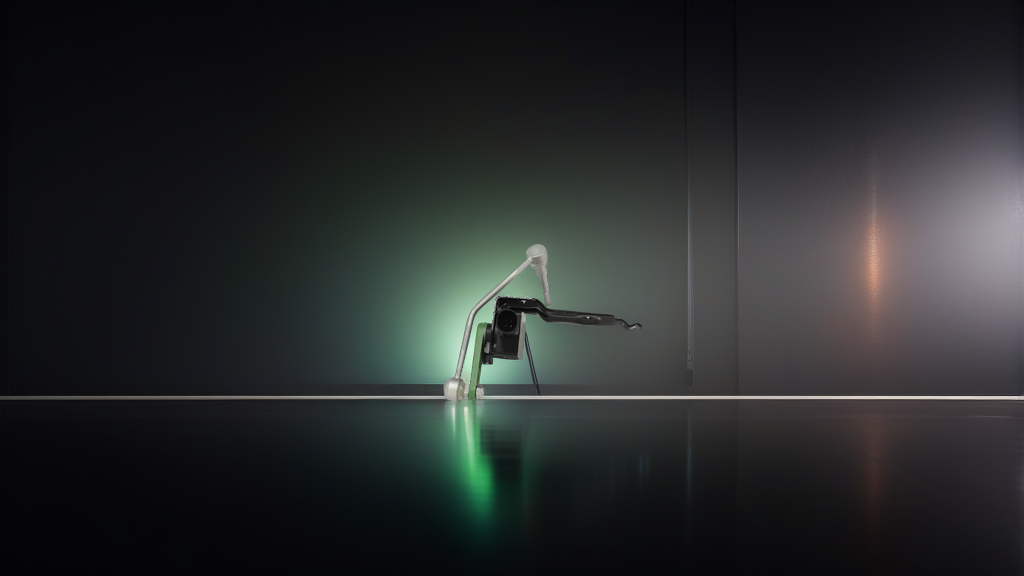
The air suspension warning light on a 2007 Audi A6 doesn’t always mean the compressor gave up. More often than not, it’s a ride height sensor feeding bad data to the control module — and the vehicle thinks it’s dragging its belly on the pavement. For independent shops, this is a familiar diagnostic rabbit hole. And for parts suppliers, it’s a growing aftermarket opportunity as OE sensor prices continue to climb.
The Physics Behind the Part
Ride height sensors are deceptively simple components. Inside a sealed housing sits a Hall-effect integrated circuit and a rotating magnet. As the suspension arm moves through its travel, the magnet rotates relative to the sensor, changing the magnetic field strength the IC detects. That analog signal converts to a digital voltage output — typically 0.5V at full droop to 4.5V at full compression — and gets sent to the air suspension control module.
The Audi system uses this data for three critical functions: leveling the vehicle at rest, adjusting damping characteristics at speed, and compensating for load changes. A sensor that drifts out of spec by even 0.2V can trigger a fault code, put the car into “lift mode,” or cause the rear to sag overnight.
Temperature compensation is built into the sensor’s circuitry, which is why cheap knock-offs fail within months. Thermal drift in the Hall-effect IC causes the voltage output to wander as the sensor heats up under the vehicle. The OSRAM OS-HSA017, with its automotive-grade IC and sealed connector, holds its calibration across a -40°C to +125°C range.
Signal Types and Measurement Principles
The OS-HSA017 outputs a ratiometric analog voltage — meaning the output scales proportionally with the 5V reference supply. This is the older, more common protocol on Audi models from the C6 era. Newer platforms use PWM (pulse-width modulation) or LIN bus digital signals, but the measurement principle remains the same: angular position of the suspension link translates to a voltage the module interprets as ride height.
One thing technicians overlook: the sensor doesn’t measure height directly. It measures angle. The linkage geometry between the control arm and sensor determines the conversion. Install an aftermarket sensor with a slightly different arm length, and the calibration is off — even if the sensor itself reads correctly. This is why OEM-style fitment matters more than raw specs.
—
Key Specs — OS-HSA017
- Brand: OSRAM
- Type: Ride Height Sensor (Hall-effect)
- OE Reference: 4F0941286B
- Signal: Ratiometric analog, 0.5V–4.5V
- Applications: Audi A6, A8, Q7 (air suspension models)
- Connector: Sealed, direct plug-and-play
—
Market Reality Check
Audi owners are keeping their C6/C7 generation cars longer, and the air suspension components are hitting the 100,000-mile failure window. The OE sensor retails north of $200 at dealership counters. Aftermarket options under the OSRAM brand — which has manufacturing backing from a major Tier-1 supplier — come in at roughly half that. For a shop doing three or four of these jobs a month, the parts margin difference is significant.
The catch is consistency. We’ve seen cheap sensors from unknown sellers fail the thermal cycle test within weeks. The OS-HSA017 is built to OE spec with the correct arm geometry and a properly sealed connector that doesn’t corrode after one winter. It’s the kind of part you install once and don’t see again.
Buyer Takeaway
If you’re stocking one ride height sensor for Audi air suspension work, make it this one. It covers the most common failure point across three popular models and installs in under an hour without calibration tools. For shops that prefer to sell OE-only, that’s your call. But for the independent market that values cost-effective reliability, the OS-HSA017 OSRAM Ride Height Sensor is the smart money play — and your customers will thank you when the warning light stays off.

Recommended Part: OS-HSA017 – OE-grade replacement, in stock now.