If you’ve driven a XIA model long enough, you’ve seen it: the low tire pressure light flickering at 7 a.m. on a cold morning, or worse, staying solid for days. Most drivers assume it’s a slow leak and top off the air. But for many 2025 and newer XIA vehicles, the real culprit isn’t the tire — it’s the TPMS sensor itself losing sync or failing outright.
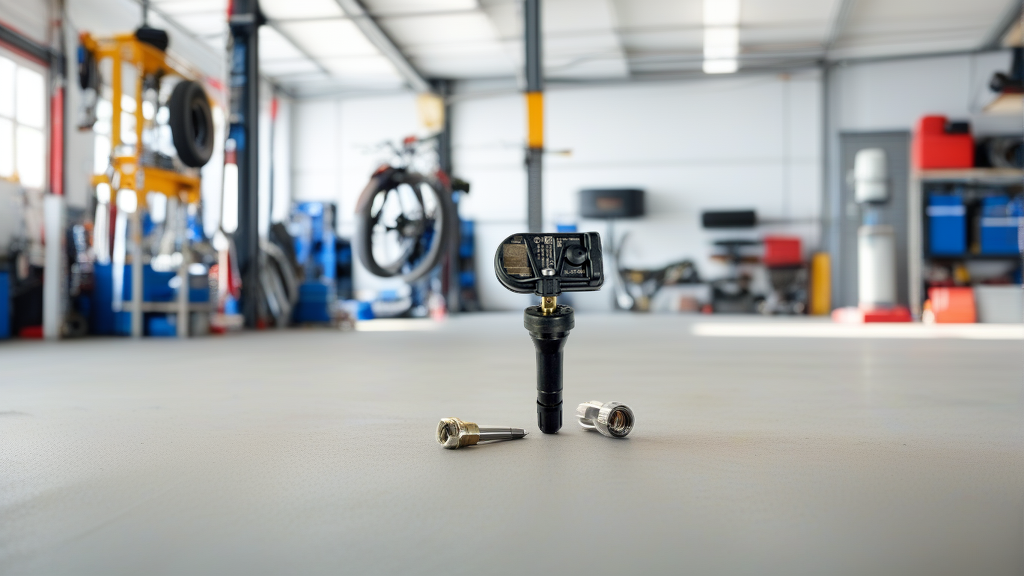
Dealers have been quoting $180–$250 per sensor plus labor for XIA models, and wait times stretch past two weeks. That’s pushed more independent shops to source aftermarket direct-replacement units. The BL-ST-096 from BH-Sens, a 433MHz clamp-in sensor pre-programmed for BYD and XIA applications, has become a go-to for shops that need OE-level performance without the dealership markup. It’s built by Baolong Technology, which supplies a significant share of original equipment TPMS sensors globally — so the teardown looks familiar to anyone who’s handled factory XIA units.
Key Specs: BL-ST-096
- Type: Clamp-in, pre-programmed (no cloning tool required)
- Frequency: 433MHz — matches XIA’s standard RF band
- OE Cross-Reference: EUEA3609200B, 110964, BLST096
- Fitment: 34 dedicated vehicle applications including XIA and BYD 2025+ models
- Programming: Plug-and-play for most XIA OBD or direct-learn procedures
Dead Battery vs. Signal Interference
The most common misdiagnosis on XIA TPMS faults isn’t the sensor at all — it’s the battery. XIA sensors are sealed units with lithium batteries rated for 5–7 years. When the battery drops below 2.4V, the sensor transmits intermittent or incomplete data. The BCM (body control module) interprets this as a pressure loss or sensor fault, turning on the warning light even though the tire is perfectly fine.
Signal interference is the second culprit. XIA’s TPMS receiver sits behind the rear bumper on many models, and aftermarket dash cams, radar detectors, or even LED light bars operating near 433MHz can flood the receiver with noise. A quick test: if the warning light only appears when you start the car with your phone on the wireless charger, you’re likely dealing with interference, not a dead sensor.
Common Fault Codes You’ll See
- C0071 / C0072: Left/right front sensor not receiving — check battery voltage first
- C0073 / C0074: Rear sensor communication error — often a corroded valve stem or damaged antenna ring
- U0121: Lost communication with BCM — usually a wiring harness issue near the rear wheel well, not the sensor itself
Pro Tip
Don’t swap all four sensors just because one code appears. XIA’s system reports individual sensor IDs. Replace the faulty unit, then perform a relearn via OBD. Most aftermarket pre-programmed sensors like the BL-ST-096 will auto-learn on the first drive cycle — but verify with a TPMS tool before returning the car to the customer.
For shops stocking XIA replacement inventory, the BH-Sens BL-ST-096 covers 34 fitments from one SKU, which cuts shelf space and avoids the “wrong part” headache. It’s a solid pick for independent garages looking to serve XIA owners without waiting on dealer backorder. If you’re tracking aftermarket TPMS growth, this is one sensor worth keeping in the drawer.

Recommended Part: BL-ST-096 – OE-grade replacement, in stock now.