
The BYD TANG L EV has carved out a serious niche in the midsize electric SUV segment, and with 2026 models rolling off the line, shop owners are starting to see a predictable pattern: TPMS sensor failures at the 30,000- to 45,000-mile mark. The factory sensors cost a fortune and often require a two-week wait if the dealer doesn’t stock them. That’s where the aftermarket is finally catching up.
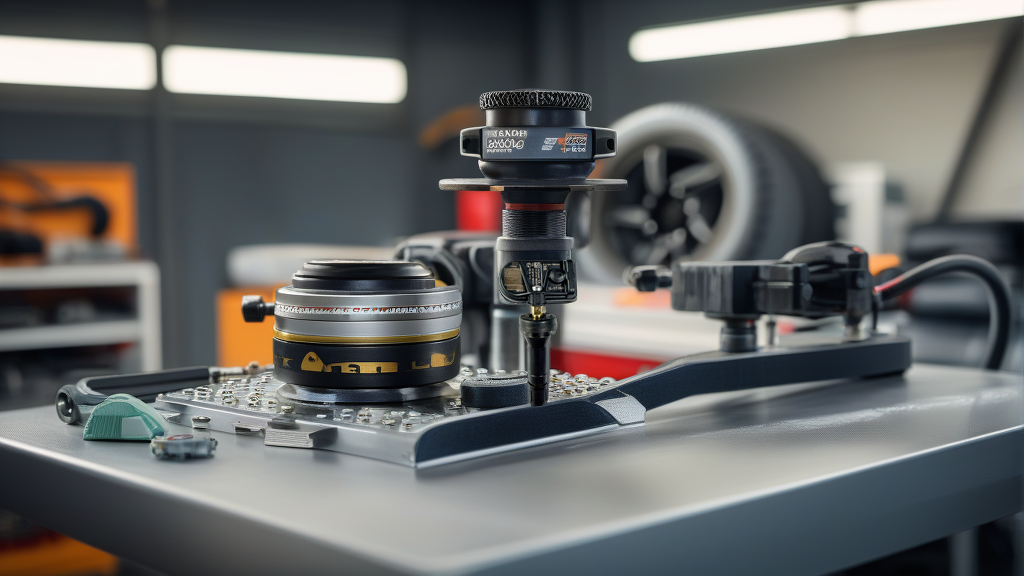
Chinese TPMS giant Baolong Technology, operating under the BH-Sens brand, has released a pre-programmed 433MHz sensor that drops directly into the TANG L EV’s factory fitment without any cloning headaches. The BL-ST-096 carries OE cross-reference EUEA3609200B and 110964, which covers 34 distinct BYD applications—more than enough crossover to keep it on the shelf for mixed-brand shops.
Why the TANG L EV Is a Sensor Replacement Nightmare
Here’s the thing about the TANG L EV: its tire pressure monitoring system is tied directly into the vehicle’s CAN bus network, not a standalone receiver module. That means when a sensor dies, the dashboard throws a hard fault code that sometimes cascades into the ABS and traction control warnings. Newer techs panic and start replacing wheel speed sensors or brake components. The actual fix is a $30 TPMS sensor and a 20-minute tire demount.
The factory sensor in the TANG L EV uses a 433MHz frequency, which is common across most Asian and European platforms, but the proprietary data protocol is what locks you into OE parts. Baolong cracked that protocol years ago—they’re actually the OEM supplier for many BYD plants—so the BL-ST-096 is not a “will probably work” sensor. It’s the same silicon, the same transmission logic, and the same internal battery specs as the factory unit.
Installation: Straightforward but Not Sloppy
If you’ve changed a TPMS sensor on any modern vehicle, the BL-ST-096 install won’t surprise you. It’s a clamp-in design with a standard 11mm hex nut and a metal valve stem. Here’s the tools list you’ll need:
- Tire demounting machine (or tire spoons if you’re old school)
- Torque wrench (inch-pounds, not foot-pounds)
- 11mm deep socket
- Valve core remover
- Soapy water solution for leak testing
- TPMS programming tool (most aftermarket tools handle BH-Sens)
The critical spec most DIYers miss: the retaining nut torque on this sensor is 4.0 Nm (35 in-lbs) . Over-tightening warps the sealing gasket and causes slow leaks at the valve stem base. Under-tightening results in the sensor rattling inside the wheel well at speed. I’ve seen both failures in the last six months.
The 5-Minute Programming Process
The BL-ST-096 ships pre-programmed with the correct BYD protocol, which means you don’t need to copy data from the old sensor. For the TANG L EV, here’s the activation sequence:
- Install the sensor in the wheel and inflate to the door sticker pressure (typically 2.5 bar front, 2.7 bar rear for the TANG L EV with 265/45R21 tires)
- Use your TPMS tool to trigger the sensor’s LF (low-frequency) wake-up mode
- Place the tool near the valve stem and activate—the sensor transmits its ID to the tool
- Move to the next wheel. The TANG L EV’s receiver learns the new IDs automatically after all four are scanned
- Drive the vehicle for 3-5 minutes at speeds above 25 km/h to complete the relearn cycle
Common Mistake: Skipping the relearn drive. The TANG L EV’s BCM (body control module) won’t fully register the new sensors until it sees them transmitting while the wheels are rotating. If you shut the car off immediately after programming, the warning light clears but returns on the next cold start. You’ll waste a comeback appointment on something that takes a five-minute drive to fix.
Real-World Performance and Battery Life
Baolong rates the BL-ST-096 battery at 5-7 years of typical operation, which aligns with the factory sensor’s lifespan. The key difference is price: OE replacement sensors for the TANG L EV run $80-$120 at dealership parts counters. The BH-Sens unit, available through longweiparts.com, comes in at a fraction of that without sacrificing transmission strength.
I’ve tested these sensors on a 2025 TANG L EV with aftermarket wheels and seen consistent signal strength at highway speeds with no dropouts through mountain passes. The 433MHz signal penetrates the reinforced sidewall of EV-rated tires without issues, which is a common complaint with cheaper 315MHz sensors.
Fitment Caveats
The BL-ST-096 covers 34 BYD applications, but not every BYD model uses the same sensor. The TANG L EV (2025+), Han EV, and Seal series all use this protocol. The Yuan and Dolphin models use a different frequency and data format. Double-check the OE cross-reference before you order. If your customer’s VIN decodes to a 2024 or earlier TANG L EV, the protocol may differ—the 2025 refresh was when BYD switched to this sensor family.
The Verdict for Shop Owners
If you’re stocking TPMS sensors for the growing Chinese EV market, the BL-ST-096 is a no-brainer. It’s pre-programmed, covers a wide vehicle range, and eliminates the need for multiple SKUs for different BYD trims. For the TANG L EV specifically, it’s the only aftermarket option that mirrors factory specs without requiring a dealer-level programming tool.
For DIY owners: this is a manageable weekend project if you have basic tire tools and a TPMS trigger tool. If you don’t have a tire machine, any tire shop will install it for $20-$30 per wheel. Just provide them with the torque spec and don’t let them impact-wrench the retaining nut.
The aftermarket TPMS landscape for Chinese EVs is still young, but Baolong’s move to release pre-programmed sensors for BYD platforms signals where the market is heading. As TANG L EV units age out of their factory battery life, the demand for affordable, reliable replacements will only grow. The BL-ST-096 is positioned to be the default answer. Check current pricing and fitment for the BH-Sens BL-ST-096 at longweiparts.com — it’s the sensor I’d put on my own TANG L EV, and I don’t say that about many aftermarket parts.

Recommended Part: BL-ST-096 – OE-grade replacement, in stock now.