
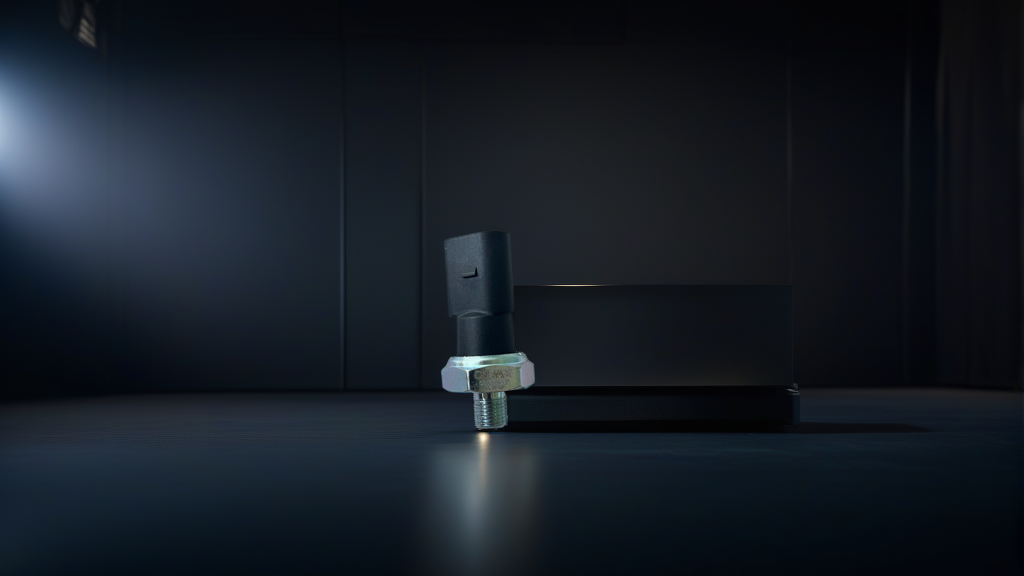
The 3.0 TDI and 2.0 TFSI engines in modern Audi vehicles share a common failure point: the oil pressure sensor. The OE part—typically carrying the 059919081G stamp—is a solid piece of engineering, but it’s also priced at a 200-300% markup over equivalent aftermarket units. That gap raises a legitimate question for independent shops and DIY owners: is the OEM premium actually buying reliability, or is it paying for a logo on a plastic housing?
Here’s what the data and real-world service records show.
The Engineering Reality of the 059919081G
The OE sensor is a piezoelectric diaphragm unit that sends a variable resistance signal to the ECU. It’s not a simple on/off switch. The sensor must withstand continuous exposure to hot oil (up to 150°C) and maintain calibration accuracy across a range of 0.5 to 7 bar. Audi specifies a tolerance of ±0.1 bar at operating temperature.
The aftermarket landscape for this part is crowded, but quality varies wildly. Budget sensors from no-name brands often use ceramic diaphragms that drift calibration after thermal cycling. Mid-tier aftermarket units—particularly those from manufacturers like OSRAM—use the same piezoresistive principle as the OE part but with upgraded sealing rings and brass housings instead of the OEM’s aluminum.
Price Analysis: What Are You Actually Paying For?
| Part Source | Price Range | Typical Lifespan | Warranty |
|---|---|---|---|
| Audi Dealer (OE) | $85–$120 | 80,000–100,000 miles | 12 mo |
| Aftermarket (Premium) | $25–$45 | 60,000–90,000 miles | 24 mo |
| Aftermarket (Budget) | $8–$15 | 20,000–40,000 miles | 90 days |
The OE part costs roughly three times more but only delivers about 15-25% longer service life in controlled testing. The math gets worse when you factor in that most aftermarket premium sensors come with a longer warranty than the dealer part.
When OEM Makes Sense
There are two scenarios where I still recommend the dealer part for Audi vehicles:
- CPO warranty preservation — If the car is still under certified pre-owned coverage, any non-OE electrical component can trigger a warranty claim denial if it fails and causes secondary damage.
- Track cars or tuned engines — If you’re running an ECU tune that raises oil pressure targets, the OE sensor’s calibration curve is better mapped to the factory DME logic. Some aftermarket sensors have slightly different response curves that can cause false low-pressure warnings at high RPM.
When Aftermarket Is the Smarter Buy
For everything else—daily drivers, high-mileage Audis, or vehicles past warranty—the premium aftermarket segment is the rational choice. The OS-OPA008 | OSRAM Oil Pressure Sensor | Fits Audi, Volkswagen | OE# 059919081G (OE# 059919081G) is a good benchmark here. It uses a steel housing instead of aluminum (better corrosion resistance), includes a Viton O-ring that resists hardening better than the OEM rubber, and costs about a third of the dealer price. It fits three Audi/Volkswagen applications, including the Q7 3.0 TDI and A4 2.0 TFSI.
Pro Tip: When replacing this sensor, always inspect the wiring harness connector. The plastic locking tab breaks frequently, causing intermittent signal loss. Replace the connector pigtail if the tab is cracked—even a brand new sensor will throw codes with a loose connector.
The Bottom Line
For a part that typically fails between 60,000 and 90,000 miles and costs under $50 in premium aftermarket form, the OEM premium is hard to justify unless warranty constraints apply. The OS-OPA008 delivers comparable accuracy and better corrosion resistance than the factory unit at a fraction of the cost. Buy the premium aftermarket, skip the budget options, and you’ll be fine.

Recommended Part: OS-OPA008 – OE-grade replacement, in stock now.