
Audi’s modular engine strategy has been a double-edged sword for independent repair shops. On one hand, it’s created a parts bin bonanza where a single sensor can service a half-dozen different models. On the other, it’s made fitment verification more critical than ever—because getting the wrong thermistor into a late-model TFSI engine is a quick way to turn a 30-minute job into a come-back.
The OS-WTA005 from OSRAM is one of those cross-platform parts that deserves a closer look. It’s listed for 6 Audi applications under the OE cross-reference 06M919501, which means it covers a spread of vehicles that share the same coolant temperature sensing architecture. But don’t let the short compatibility list fool you—this is a part that touches some of Audi’s most popular powertrains of the last decade.
What the 06M919501 Actually Does
The coolant temperature sensor is the engine control unit’s eyes for thermal management. It feeds real-time coolant temps back to the ECU, which uses that data to adjust fuel trims, ignition timing, and—critically—the operation of the cooling fan and thermostat mapping. On modern Audi engines, this sensor doesn’t just prevent overheating; it’s integral to emissions compliance and fuel economy targets.
When the 06M919501 fails or drifts out of specification, the symptoms are usually unmistakable. Erratic temperature gauge readings, poor cold-start behavior, rough idle, or a persistent P0118/P0119 (coolant temp sensor high input) code. But here’s what catches many technicians off guard: a failing sensor can also trigger a false rich condition, because the ECU thinks the engine is colder than it actually is and dumps extra fuel.
The OSRAM Difference
OSRAM is a name most people associate with lighting—and rightly so. But the German manufacturer’s sensor division has been supplying OEM-grade components to European automakers for decades. The OS-WTA005 is built to meet that original equipment specification, which matters more than most aftermarket buyers realize.
Here’s why: Audi’s coolant temperature sensors operate in a harsh environment. Constant thermal cycling, vibration from the engine block, and exposure to coolant chemistry all take their toll. Cheap aftermarket sensors often use lower-grade thermistors that drift out of tolerance within 12-18 months. The OSRAM unit uses the same semiconductor-grade thermistor as the original equipment part, which means it holds its calibration curve across the full operating range—from -40°F cold starts to 220°F+ operating temps.
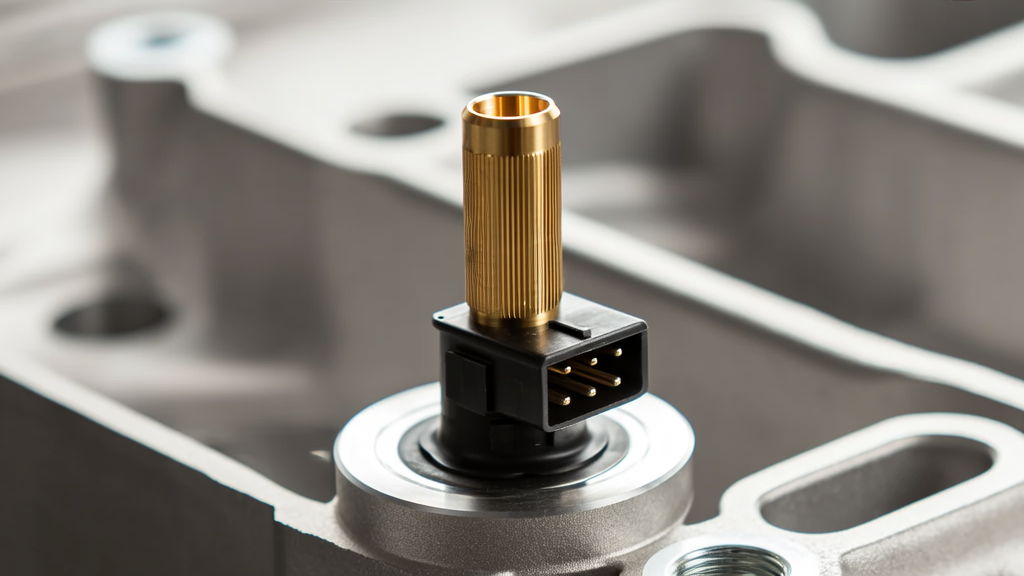
The brass housing is another detail worth noting. Some budget sensors use aluminum or plastic bodies that can corrode or distort over time, leading to coolant seepage around the O-ring. The OS-WTA005’s brass construction resists that degradation, and the sealing surface is machined to OE tolerances so it seats properly in the cylinder head or coolant flange.
Applications and Cross-Reference
The 06M919501 cross-reference covers a specific family of Audi engines. While the full 6-application list is something you’ll want to confirm against your vehicle’s VIN, the part is known to service the newer EA888 and EA839 generation engines found in:
- A4/A5 models with 2.0 TFSI power
- Q5/Q7 SUVs with compatible powertrains
- A6/A7 models equipped with the 3.0 TFSI V6
The common denominator is the sensor’s mounting position and electrical connector. The 06M919501 uses a specific plug configuration that changed from earlier generations, so it won’t fit older 1.8T or 2.8 V6 engines that used the earlier 06A919501A-style sensor. If you’re pulling a sensor out of a 2010-era Audi and the connector looks different, that’s your first clue you need to verify fitment before ordering.
How to Verify Fitment Before You Buy
This is where the aftermarket parts game gets tricky. A “6 applications” listing sounds simple, but Audi has a habit of making running changes mid-production. A 2019 Q5 built in June might use a different sensor revision than one built in January, even though the engine code is identical.
Here’s the verification process we recommend:
- Check the part number on your existing sensor. It should be stamped or etched into the housing or connector. If it reads 06M919501—or a superseded revision like 06M919501A or B—you’re in the right ballpark.
- Confirm your engine code. Audi stamps the engine code on a sticker in the service booklet, inside the spare wheel well, or on the timing belt cover. Cross-reference that code against the OS-WTA005’s application list.
- Verify the connector shape. The 06M919501 uses a four-pin connector with a specific locking tab orientation. If your sensor has two pins or a different tab layout, it’s the wrong part.
- When in doubt, run your VIN against the manufacturer’s application data. Most reputable aftermarket suppliers—including our own catalog at longweiparts.com—allow VIN-based lookups that eliminate guesswork.
Market Outlook
As Audi’s newer models age out of dealer warranty coverage, the independent repair channel is absorbing more of these vehicles. The EA888 and EA839 engines are known for their durability, but their thermal management systems are complex—and the coolant temp sensor is a wear item that most owners will replace at least once in the vehicle’s lifetime.
For shops stocking parts, the OS-WTA005 is a smart inventory addition because it covers multiple high-volume applications with one SKU. For DIY owners, it’s one of those jobs that’s genuinely approachable—usually located on the coolant flange or thermostat housing, accessible with basic hand tools, and done in under an hour.
The bottom line: if you’re chasing a coolant temperature fault on a modern Audi, don’t automatically assume the thermostat or water pump is the culprit. Test the sensor first. And if it’s time to replace it, the OSRAM OS-WTA005 delivers the OE-grade performance and fitment certainty that keeps the job done right the first time.
[Check the OS-WTA005 OSRAM Coolant Temperature Sensor at longweiparts.com] — verified fitment data, direct-from-manufacturer pricing, and fast shipping are all part of the deal.

Recommended Part: OS-WTA005 – OE-grade replacement, in stock now.