
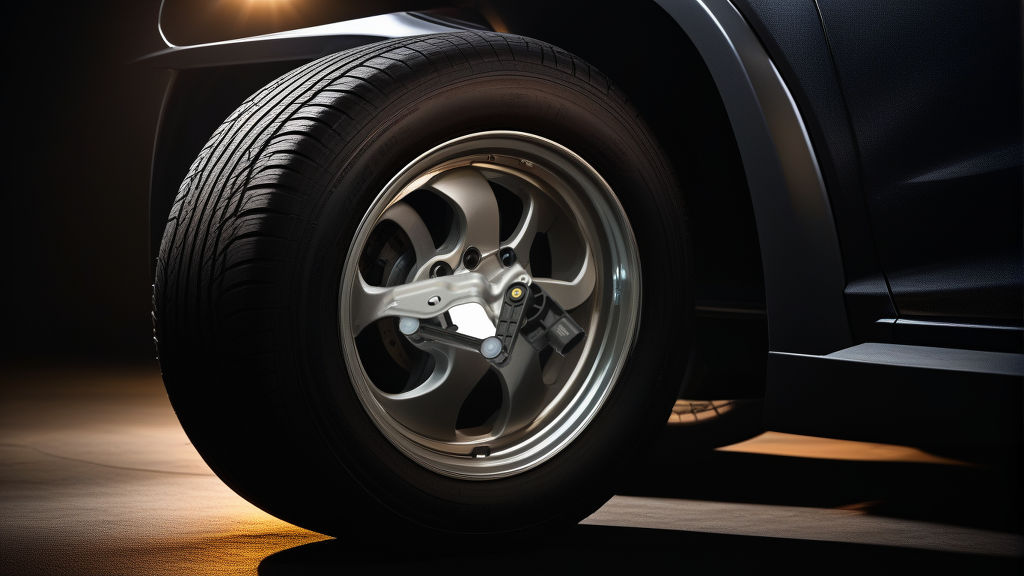
Ask any veteran Audi technician about suspension diagnosis and they’ll tell you the same story: a customer rolls in with a leveling warning light, the scan tool flags the rear ride height sensor, and the first question out of their mouth is usually “is this the same part as the A6?” The answer, more often than not, is yes — and that’s exactly how cross-brand compatibility works in the Volkswagen Group ecosystem.
The OS-HSA005 from OSRAM exemplifies this platform-sharing reality. Marked for Audi with OE reference 7L0616213D, this ride height sensor isn’t just another replacement part. It’s a direct cross-reference for a component used across multiple models built on the same platform architecture. When Audi engineers design a platform — whether it’s the MLB or the older PQ series — they standardize suspension geometry, mounting points, and electrical connectors across several nameplates. The result is that one sensor, properly programmed, serves the A6, the A8, and even the Q7 in certain generations.
Key Specs: OS-HSA005
- OE Cross-Reference: 7L0616213D
- Brand: OSRAM
- Type: Ride Height Sensor (Hall-effect)
- Signal: PWM output to air suspension control module
- Fitment: Audi models on shared platform architecture
- Mounting: Direct bolt-on, no adapters required
From a shop owner’s perspective, this compatibility is pure margin. Stocking one SKU instead of three means less capital tied up in slow-moving inventory, and the diagnostic path stays clean. You verify the fault code, confirm the sensor’s resistance or signal voltage is out of spec, and swap the unit. No calibration drama — Audi’s air suspension system relearns the zero point after a short drive cycle.
The common mistake here is assuming that because the connector looks identical, any ride height sensor will work. That’s not how it goes. The OS-HSA005 is built to match the exact resistance curve and signal frequency of the factory unit. A cheap no-name sensor might physically fit, but if the output curve doesn’t match the control module’s expectations, you’ll chase intermittent warning lights for weeks. OSRAM’s unit sidesteps that because it’s engineered against the original VW Group spec, not a generic universal protocol.
Pro Tip: Always clear the suspension fault codes after installation, not before. Then take the car for a 5-minute road test over uneven surfaces. The module needs to see the sensor cycling through its full range to re-learn the calibration. Skipping this step is the most common reason for a “new” sensor to trigger a false warning.
For buyers — whether you’re a DIY owner or a procurement manager — the value equation is straightforward. The OE part from Audi carries a premium badge price. The OSRAM equivalent delivers the same function, built to OE tolerances, at a fraction of the cost. The compatibility across multiple Audi models also means you’re not stuck with a paperweight if your vehicle situation changes; the same sensor serves several platforms.
Market outlook: as Audi continues to consolidate platforms across its lineup, cross-brand compatibility is only expanding. The days of model-specific suspension sensors are fading. For the independent shop, that’s good news — it simplifies diagnostics, accelerates repairs, and cuts inventory overhead.
If you’re looking at a ride height sensor replacement for an Audi with air suspension, the OS-HSA005 is the part to spec. It covers the OE reference, fits the platform correctly, and doesn’t carry the dealer markup. For a shop, it’s the difference between a job that takes an hour and one that takes a week of back-and-forth with the customer about parts delays. Choose the cross-compatible option, and get the car back on the road.

Recommended Part: OS-HSA005 – OE-grade replacement, in stock now.