
The check-engine light is on, the Audi’s rear end is sagging on the driver’s side, and the scan tool confirms it: a fault code for the ride height sensor on the left rear. For the independent shop owner, this is a familiar crossroads. The dealer quote for a genuine Audi part is substantial, and the customer is already flinching. But this isn’t a simple brake pad swap—it’s an adaptive air suspension component, and getting it wrong means a comeback, a pissed-off customer, and a suspension that thinks it’s a lowrider.
The question isn’t whether to fix it. The question is whether an aftermarket sensor from a brand like OSRAM can survive the harsh reality of a 4,500-pound luxury sedan, or if you’re just signing up for a repeat visit in six months.
The OEM Price Tag: Paying for the Four Rings
There’s a reason Audi’s factory ride height sensor—OE number 4H0941285H—costs what it costs. It’s not magic. It’s a Hall-effect sensor housed in a sealed plastic case, bolted to the control arm, and tasked with translating mechanical movement into a 0.5V to 4.5V signal that tells the air suspension control module exactly how much air to push into each strut. The genuine part is built to a tolerance that German engineers specified, and it’s tested against a decade of environmental extremes—road salt, winter spray, and the constant vibration of a chassis that’s doing 80 mph on the autobahn.
When you buy OEM, you’re paying for that data. You’re paying for the assurance that the signal curve matches the ECU’s expectations perfectly. And in many cases, that’s worth it. But here’s the catch: the OEM part is often just a re-branded unit from a Tier 1 supplier. The same factory that stamps out the Audi part is often the same factory that produces the aftermarket equivalent. The difference isn’t always the material—it’s the price tag and the warranty behind it.
What the Aftermarket Brings to the Table
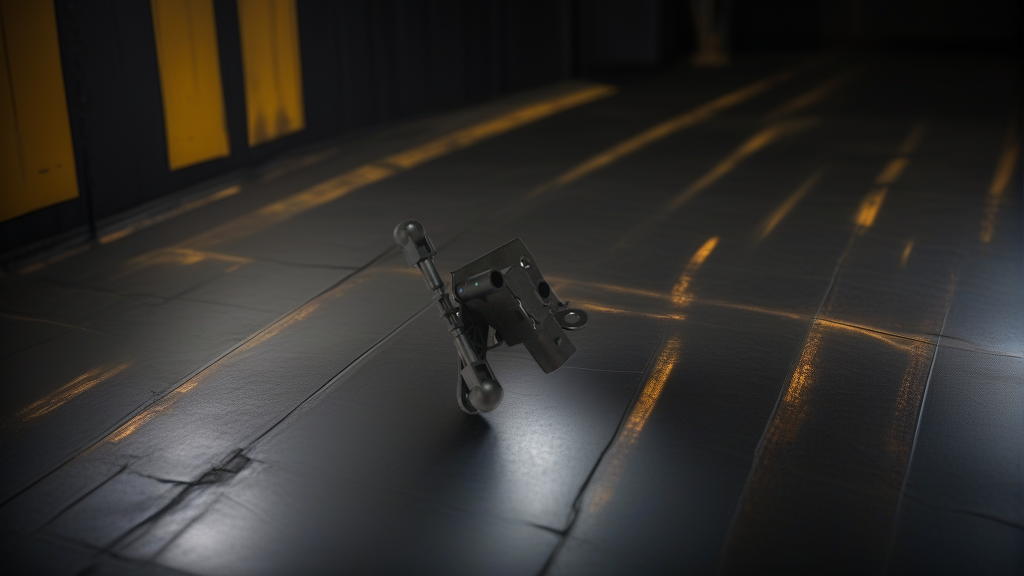
This is where the OS-HSA004 comes into play. It’s an OSRAM-branded ride height sensor, which is a name you might associate with headlight bulbs, not suspension components. But OSRAM’s sensor division has been quietly producing OE-quality electronic components for years. The OS-HSA004 is a direct replacement for the Audi part, using the same plug-and-play connector and the same mounting geometry. No wire splicing, no bracket modification, no adaptation coding required.
The key spec sheet reads like this:
- Part Type: Ride Height Sensor (Hall-effect)
- OE Reference: 4H0941285H
- Voltage Range: 5V reference, 0.5V – 4.5V output
- Mounting: Direct bolt-on, left or right rear
- Connector: OEM-style, weather-sealed
For the technician, the fitment is identical to the factory unit. For the customer, the price is significantly lower—often 40–50% less than the dealer counter price. But the value equation doesn’t stop at the initial purchase. It comes down to whether the aftermarket unit can survive the same 100,000-mile duty cycle as the original.
The Quality Gap: Real or Perceived?
Let’s be blunt: there is a quality gap in the aftermarket, but it’s not where you think. The gap isn’t between OEM and a reputable brand like OSRAM. The gap is between OEM and the $19.99 no-name sensor you find on an auction site. Those cheap units often use inferior potentiometers instead of true Hall-effect chips. They drift with temperature, they fail after a few months, and they send garbage signals that make the air suspension compressor cycle erratically—a quick way to burn out a $600 compressor.
The OS-HSA004, by contrast, uses a contactless Hall-effect design. There’s no mechanical wiper to wear out. The internal chip is rated for automotive temperature ranges (-40°C to +125°C). The connector pins are gold-plated to resist corrosion. In practical terms, the failure mode you were trying to fix—signal dropout from a worn internal track—is engineered out of the design.
The real-world performance in the shop mirrors this. Independent techs who have installed the OSRAM unit report that the adaptive suspension calibration holds, the ride height levels correctly after a few minutes of driving, and the fault codes stay cleared. The car doesn’t know the difference; the customer doesn’t either, except for the amount on the invoice.
When to Choose OEM vs. Aftermarket
Here’s the honest breakdown for an Audi owner or a shop advising one:
Choose OEM when:
- The car is still under factory warranty (don’t risk a claim denial).
- You’re chasing a ghost diagnostic issue and want zero variables.
- The vehicle is a low-mileage garage queen where originality matters for resale.
Choose aftermarket (like the OS-HSA004) when:
- The car is out of warranty (which, for most A6, A7, and Q7 models with air suspension, is likely).
- The customer is price-sensitive but still wants a reliable fix.
- You’re doing both rear sensors at once—the cost savings on two units make the aftermarket decision a no-brainer.
There’s also the availability factor. The Audi dealer network doesn’t always stock the 4H0941285H for a 2015 model year. An aftermarket supplier with multiple warehouse locations can often get the part to your shop by the next morning, which means the car isn’t taking up a bay for three days waiting on a truck from Germany.
The Bottom Line for Independent Shops
A ride height sensor is not a wheel bearing. It’s a precision electronic component that lives in a hostile environment. But the days of “OEM only” for these parts are fading. The technology has matured, and reputable aftermarket manufacturers have stepped up their game to meet or exceed the original specifications.
For the Audi owner, the decision comes down to value. If you’re planning to keep the car for another 50,000 miles, the aftermarket sensor will deliver the same performance at a fraction of the cost. If you’re flipping the car next month, maybe you gamble on the cheapest part—but that’s a decision that usually comes back to bite someone.
The smart money is on the middle ground: a known brand, a solid warranty, and a part that’s designed to the same engineering standard as the original. The OS-HSA004 | OSRAM Ride Height Sensor | Fits Audi | OE# 4H0941285H fits that profile. It’s the part you install when you want the job done right, but you don’t want to explain to the customer why a $300 sensor is somehow worth more than the one that just failed at 80,000 miles.
If you’re working on an Audi with air suspension and the self-leveling function is acting up, check the sensor first. Then check the price of the replacement. The OS-HSA004 from OSRAM is a solid, reliable choice that respects both the engineering of the car and the budget of the owner. It’s the kind of aftermarket part that makes independent shops look like heroes—not because it’s cheap, but because it works.

Recommended Part: OS-HSA004 – OE-grade replacement, in stock now.