
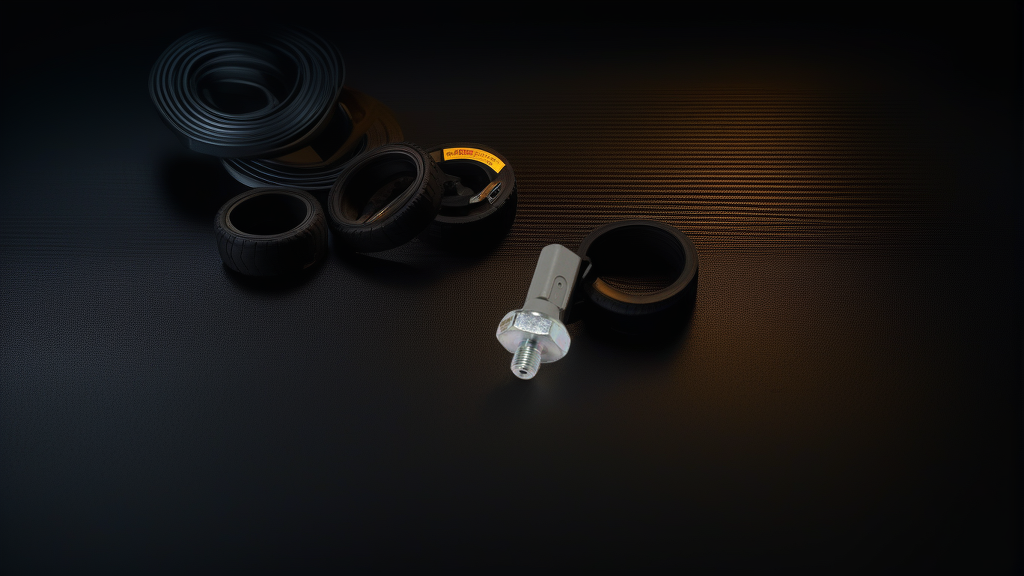
Walk into any independent European repair shop and you’ll hear the same story: an Audi A4 rolls in with an oil pressure warning on the dash, the tech pulls up the part catalog, types in the OE number, and gets three different results from three different suppliers. That’s not a catalog error—that’s how Audi’s OE numbering system works, and it’s why cross-referencing matters more than memorizing a single string of digits.
For OS-OPA007 | OSRAM Oil Pressure Sensor | Fits Audi | OE# 038919081P owners and the shops that service them, understanding how to decode and cross-reference OE numbers isn’t just academic. It’s the difference between a $40 fix and a $600 engine harness replacement. Let’s break down the system, using one of the most common Audi pressure sensors on the market as our case study.
Decoding Audi’s OE Number Structure
Audi, like its Volkswagen Group siblings, uses a 9-character alphanumeric format for genuine parts. The structure isn’t random—it encodes critical information about the part’s function and revision level.
Take the OE number 038919081P:
- 038 — Engine family code (EA113 series, used across Audi A3, A4, A6, TT, and various VW models)
- 919 — Component group (pressure sensors and switches)
- 081 — Specific function (oil pressure sender/switch)
- P — Revision letter (the “P” revision indicates the latest superseding version)
The revision letter is where most DIYers get tripped up. Audi routinely supersedes parts with upgraded versions, and the letter suffix changes accordingly. An “A” revision might be the original, “C” might fix a known sealing issue, and “P” might indicate a completely redesigned sensing element. If you search for the older letter, you’ll often find nothing—but the newer revision will be listed as a direct replacement.
Why Cross-Reference Matters for the 038919081P
Here’s where it gets interesting. The OE number 038919081P corresponds to an oil pressure sensor used in six different Audi applications. But the same physical sensor—same thread pitch, same electrical connector, same pressure curve—ships under multiple brand names and partial OE numbers.
A genuine Audi-branded sensor with that number might cost you $85 at the dealership. The identical sensor manufactured by OSRAM, which supplies many of these sensors to the OE channel, sells under the same OE reference for significantly less. This isn’t a “knockoff” situation—OSRAM is an original equipment manufacturer, and their aftermarket packaging simply omits the four-ring logo.
The OSRAM Oil Pressure Sensor (OS-OPA007) uses OE# 038919081P as its primary reference, but it also cross-references to:
- 038919081C (earlier revision, direct swap)
- 038919081E (intermediate revision)
- 06A919081 (some aftermarket catalogs list this VW variant)
If you’re searching only for the exact “P” suffix, you might miss compatible alternatives. Conversely, if you find a sensor listed as compatible with your VIN but the OE number doesn’t match any of the above, walk away.
How to Verify Your Audi’s OE Number
Before you order anything, here’s the workflow that separates competent buyers from frustrated ones:
Step 1: Locate the part number. For oil pressure sensors, the OE number is typically stamped on the sensor body itself, but it’s often obscured by oil residue. Clean the area first with brake cleaner. If you can’t read it, the sensor is usually mounted near the oil filter housing—look for a cylindrical component with a single wire connector.
Step 2: Cross-reference with your VIN. Audi’s ETKA parts catalog (available through third-party sites) will give you the exact OE number for your specific model year and engine code. A 2005 A4 2.0T and a 2008 A4 3.2 will not use the same sensor, even if they look identical.
Step 3: Check supersession history. Search the OE number on any parts database that shows supersession chains. If your number has been superseded, you need the latest revision—not the one stamped on your old part.
Step 4: Verify thread size. Audi oil pressure sensors come in two common thread sizes: M10x1 and M14x1.5. The 038919081P uses M10x1. Using a thread adapter to force a mismatched sensor is a path to oil leaks and false readings.
Common Mistakes When Cross-Referencing Audi Sensors
Pro Tip: The most common mistake we see in the shop is trusting a single aftermarket brand’s fitment chart without verifying the OE number yourself. A parts store’s “fits Audi A4” is not a guarantee. Always verify the OE number printed on the box matches your application.
Another frequent error: confusing oil pressure sensors with oil level sensors. The pressure sensor (OE 038919081P) monitors actual pressure and triggers the warning light when pressure drops. The level sensor sits in the oil pan and measures volume. They are not interchangeable, and both are often called “oil sensors” by parts suppliers.
Finally, don’t overlook the connector style. Early variants of this sensor used a two-pin round connector; later revisions use a flat four-pin design. The physical sensing element is the same, but the harness plug won’t match. If your car has the flat connector, you must use the “P” revision or later—earlier versions won’t plug in without adapter pigtails.
What You Should Buy and Why
For Audi owners who want factory-spec performance without dealership pricing, the aftermarket OE-supplier route makes the most sense. The OSRAM OS-OPA007 is a direct OE replacement—same manufacturer that supplies the production line, same materials, same calibration—but packaged for the aftermarket.
It covers all six Audi applications for the 038919081P family:
| Vehicle | Engine Code | Model Years |
|---|---|---|
| Audi A3 | 2.0T (BPY, CCTA) | 2006-2009 |
| Audi A4 | 2.0T (BWT, CAEB) | 2005-2012 |
| Audi A6 | 2.0T (BPJ) | 2005-2011 |
| Audi TT | 2.0T (BWA, CCTA) | 2006-2010 |
| Audi Q5 | 2.0T (CAEB) | 2009-2012 |
| Audi A3 Quattro | 2.0T (CBFA) | 2009-2013 |
The genuine Audi part is identical hardware. The difference is the box it ships in and the price tag. For shops doing volume work on EA113-powered Audis, stocking a cross-referenced OE supplier part eliminates the dealership wait and keeps customer invoices reasonable.
The Bottom Line on OE Number Lookup
Mastering OE number lookup for Audi comes down to three habits: verify the VIN, check the supersession chain, and confirm the physical connector. The 038919081P family is a perfect example of why the number matters—six applications, multiple revisions, and one reliable cross-reference point.
When you find a sensor that matches all three criteria, you’ve done the job correctly. When you skip those steps, you’re gambling on fitment. For a part that protects your engine from oil starvation, gambling isn’t a smart move. The OSRAM OS-OPA007 checks all the boxes at a price that makes replacing it preventive maintenance instead of a financial headache.

Recommended Part: OS-OPA007 – OE-grade replacement, in stock now.