
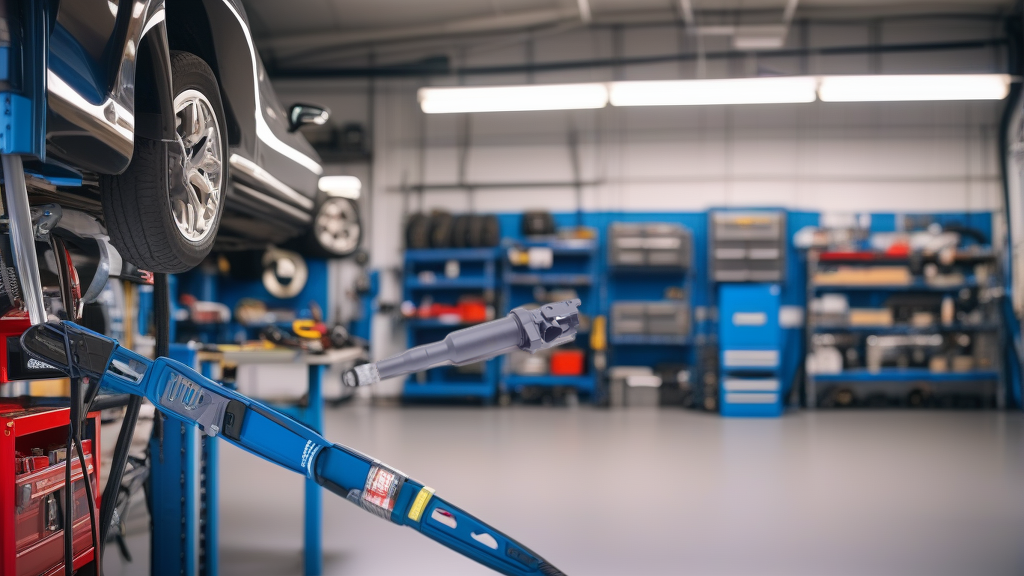
The DFM Aeolus has carved out a respectable niche in the compact sedan segment, but by the time these cars roll past the 80,000-kilometer mark, a familiar pattern emerges at independent workshops. Owners start complaining about rough idle, occasional misfires under load, and fuel economy that has quietly slipped. Most technicians reach for spark plugs first—and they’re usually right. But the ignition coil is the component that gets overlooked until it fails outright, leaving the driver stranded and the repair bill significantly higher than it needed to be.
Here’s the reality: the DFM Aeolus’s coil-on-plug design means each cylinder gets its own coil, which is good for performance but less forgiving when maintenance is deferred. Unlike older distributor systems where one coil served all cylinders, a failing coil on the Aeolus produces cylinder-specific misfires that can be intermittent for weeks before becoming permanent. By the time the check engine light flashes, the coil has often been degrading for some time.
The Intervals That Actually Matter
Factory service schedules for the Aeolus recommend spark plug replacement at 40,000 to 60,000 kilometers, depending on the engine variant. Ignition coils are technically listed as a “lifetime” component—but that’s optimistic engineering speak. In real-world conditions, especially with the heat soak common in turbocharged Aeolus models, coils typically show measurable degradation between 80,000 and 120,000 kilometers.
The smart play is pairing coil replacement with every second spark plug service. That means new plugs at 40,000 kilometers, then plugs and coils together at 80,000. This synchronized approach costs more upfront but prevents the tow truck call that usually follows when coils are pushed past their practical service life.
Reading the Warning Signs
Aeolus owners often describe the early symptoms as a “slight hesitation” when accelerating from a stop. That’s the coil beginning to break down under load. Other telltale signs include:
- Cold-start roughness that smooths out after 30 seconds—the coil struggling with the rich cold-start mixture
- A noticeable fuel smell from unburned fuel reaching the catalytic converter
- Misfire codes (P0301 through P0304) that move between cylinders after swapping plugs
- Rising fuel consumption without any change in driving habits—typically 8-10% before the coil completely fails
One of the most deceptive failure modes on the Aeolus is the “heat soak” issue. The coil works fine when cold, then misfires once the engine bay reaches operating temperature. This drives diagnosis crazy because the problem disappears by the time the car reaches the workshop. If a customer reports this pattern, replace the coil without hesitation—it’s a textbook thermal breakdown.
The Tune-Up Checklist That Works
A proper Aeolus ignition service goes beyond simply swapping parts. Here’s the sequence that gets results:
- Scan for stored codes before touching anything—this tells you which cylinder is suspect
- Compression test on the affected cylinder to rule out mechanical issues
- Replace spark plugs with the correct heat range—using colder plugs than specified is a common mistake that accelerates coil wear
- Replace coils on the affected cylinder, but strongly consider replacing all four if the car is past 100,000 kilometers
- Check the wiring harness for chafing or heat damage near the coil connectors
- Clean the ground points—Aeolus models are sensitive to ground resistance, which manifests as phantom misfires
Aftermarket Options: The OSRAM Advantage
For shop owners and DIYers working on the Aeolus, the aftermarket has matured considerably. The OSRAM ignition coil (part number OS1025) has become a solid choice for several reasons. It’s built with a copper-wound primary and secondary coil, which provides consistent spark energy across the RPM range. The housing uses a high-temperature PBT plastic that resists the thermal cycling typical of the Aeolus engine bay.
The fitment story is straightforward—this coil matches the original specifications for the DFM Aeolus, along with BMW and Rolls-Royce applications using the same coil architecture. That cross-compatibility isn’t just convenient; it means the manufacturing tolerances are held to a standard that satisfies multiple OEM programs.
OS1025 | OSRAM Ignition Coil uses OE# 12137594937 and 0221504463, which makes it a direct swap for the original unit. No adapter brackets, no wiring modifications—unbolt the old coil, install the new one, clear the codes. The whole job takes under an hour for all four cylinders on the Aeolus.
The Cost-Benefit Reality
Here’s where the numbers make the case. A dealer-supplied coil for the Aeolus runs anywhere from $80 to $120 per unit. The OSRAM alternative typically lands in the $40 to $60 range. Over a full four-coil replacement, that’s a savings of $160 to $240—enough to cover the spark plugs and an oil change. For a shop, that margin difference can be the deciding factor between winning and losing a price-sensitive customer.
The durability question gets answered by the warranty. OSRAM backs the OS1025 with a standard 12-month warranty, which is competitive for the category. In our experience, the failure rate on these units is low—the winding quality and epoxy encapsulation are consistent with units costing twice as much.
What Skips the Upgrade
For Aeolus owners who only drive short distances in urban traffic, the 80,000-kilometer replacement interval might seem aggressive. The car may run fine on original coils well past that point. But the economics still favor proactive replacement. A single coil failure on a busy road means towing costs, a missed workday, and the potential for catalytic converter damage from prolonged misfiring. That repair runs well over $500. Spending $160 on four coils and plugs at 80,000 kilometers is cheap insurance against that scenario.
The one group that should skip the aftermarket route entirely? Owners with vehicles still under factory warranty. Pulling original coils and replacing them with aftermarket units can create warranty complications if the engine develops issues down the line. Wait until the warranty expires, then make the switch.
Bottom Line
The DFM Aeolus is a reliable platform when the ignition system gets the attention it deserves. Pair plug replacement with coil replacement at 80,000 kilometers, use the diagnostic sequence outlined above, and choose a quality aftermarket coil like the OS1025 from OSRAM to keep costs reasonable without sacrificing performance. Skip the maintenance, and you’re gambling with a breakdown that will cost far more than the preventive service ever would.

Recommended Part: OS1025 – OE-grade replacement, in stock now.