
You’ve seen it in the service bay a dozen times this month. Audi Q5 rolls in, driver says the ride feels “off,” and there’s a yellow warning on the dash. Scan it, and you’ll pull up something like C1031 or U1113 — lateral acceleration implausible, or a permanent communication error on the CAN bus. The customer thinks it’s a strut issue. Sometimes it’s not.
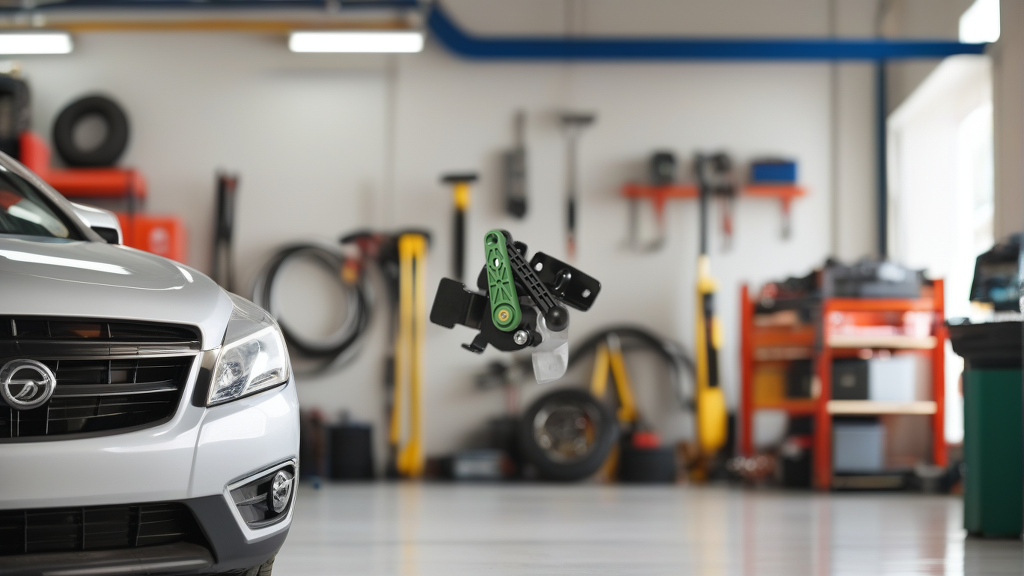
The real culprit in many of these 2018-2024 Audi applications is a failed ride height sensor — the small lever-and-magnet assembly bolted to the control arm. When it starts sending erratic voltage values, the air suspension controller loses its reference point. The result: leveling faults, warning lights, and a car that sits unevenly overnight. And here’s the kicker — the sensor often fails silently before the warning ever appears.
What’s Actually Happening Inside the Sensor
The ride height sensor is a Hall-effect unit that measures the angle of the suspension link. It converts mechanical movement into a 0.5V to 4.5V signal. In Audi’s system, that signal is used for everything from headlight leveling to adaptive damping. When the sensor’s internal magnet degrades or the plastic housing cracks from road debris, the signal becomes noisy. The ECU sees values that don’t match the other sensors, and it flags the system as implausible.
Dead battery symptoms often get misdiagnosed here, too. After a jump start or battery replacement, the suspension system can throw temporary ride height codes — but if those codes persist after a 10-minute drive cycle, you’re looking at a hardware fault, not an electrical gremlin. Signal interference is less common but happens when wiring chafes near the subframe and picks up noise from the alternator.
Key Specs — OS-HSA038 Ride Height Sensor
| Spec | Detail |
|---|---|
| Brand | OSRAM |
| Part Type | Ride Height Sensor |
| OE Number | 5Q0512521J |
| Fitment | Audi MQB platform (Q5, A4, A5) |
| Signal Type | Hall-effect, analog voltage |
| Common Fault Codes | C1031, U1113, C10A1 |
The Diagnosis Path That Actually Works
Stop guessing. Pull live data from the ride height sensors with the car on the ground, then lift it. Compare the voltage curves. A good sensor will sweep smoothly from about 1.5V at full droop to 4.2V at full compression. If you see any dead spots or sudden jumps, the sensor is bad. Also check the wiring connector — Audi uses thin gauge wires that corrode at the plug. If the pins look green, replace the pigtail before condemning the sensor.
Pro Tip: Don’t replace the sensor without checking the link arm. If the ball joint on the link is dry or the arm is bent, the new sensor will fail within months. Inspect the linkage first. It’s cheap insurance.
Aftermarket Reality Check
Audi dealers will sell you this sensor for around $180-$220. The aftermarket — including the | OE# 5Q0512521J](https://longweiparts.com/product/os-hsa038-osram-ride-height-sensor-fits-audi-oe-5q0512521j/”>OSRAM OS-HSA038) — lands closer to half that, with the same Hall-effect internals and a proper OE-style connector. For a B2B shop, the margin difference matters on warranty work. For DIY owners, it’s the difference between fixing it now and waiting until payday.
One thing to verify before ordering: the OS-HSA038 fits the MQB-platform Audi applications, not the older MLB cars. Check your VIN. The 5Q0 prefix on the OE number is your hint — that’s the MQB family code. If you’re working on a Q7 or A8, this isn’t your part.
Market Takeaway
The MQB platform is aging, and these sensors are wearing out in predictable cycles. By 2025’s end, we expect to see a spike in replacement demand as 2019-2020 model-year cars cross the 70,000-mile mark. For shops, stocking the | OE# 5Q0512521J](https://longweiparts.com/product/os-hsa038-osram-ride-height-sensor-fits-audi-oe-5q0512521j/”>OS-HSA038) is a no-brainer — it covers the most common Audi sedan and SUV variants on the road today. The build quality holds up against the factory unit, and the price point lets you offer your customer a solid repair without the dealer markup. If you’re chasing intermittent chassis faults on an Audi, check this sensor before you start replacing struts. Nine times out of ten, that’s where the problem lives.

Recommended Part: OS-HSA038 – OE-grade replacement, in stock now.