Walk into any independent shop that services Korean imports and you’ll eventually hit the same wall: a 2016 Ssangyong Tivoli rolls in with the TPMS light blinking, the scan tool confirms a dead sensor in the left rear, and the parts catalog shows a part number that seems to exist only in a parallel universe. The OE sensor is special-order, the customer needs the car tomorrow, and the dealership wants $180 plus a two-week wait.
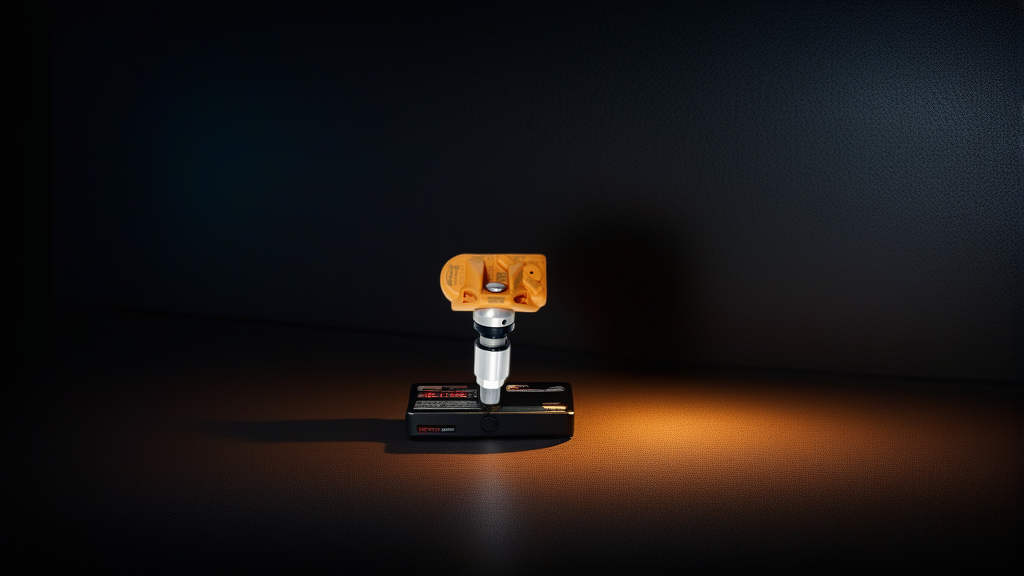
That scenario is changing, and it’s changing because of a quiet shift in how TPMS sensors are built and cross-referenced. The BH-Sens RDE047V21, a 433MHz clamp-in unit from Baolong Technology, now lists compatibility across Audi, BMW, Bentley, Ferrari, Lamborghini, and — perhaps more importantly for the Korean market — Ssangyong models that share the same underlying sensor platform. This isn’t a universal sensor that requires programming to mimic a signal. It’s a pre-programmed direct-fit unit that maps to over 135 vehicle applications through OE cross-reference numbers like 2N0907275A, 314818, and 36106798872.
The implications for Ssangyong owners and the shops that serve them deserve a closer look.
The Platform-Sharing Reality Nobody Talks About
Here’s the part that confuses most buyers: why would a Ssangyong Rexton share a TPMS sensor with a Bentley Continental GT? It sounds absurd until you understand how tier-one suppliers work. Baolong Technology, which sells under the BH-Sens brand in the aftermarket, is one of the largest TPMS sensor manufacturers in the world. They supply OE sensors to a staggering range of automakers. When a platform is developed, the sensor spec is often shared across brands that have nothing else in common.
The RDE047V21 operates at 433MHz, the dominant frequency for Asian and European markets. The sensor is clamp-in style, meaning it mounts via a metal valve stem secured from inside the wheel — the standard for most passenger vehicles. What makes it cross-compatible is that the sensor’s internal protocol and ID broadcasting format match what multiple ECUs expect to see. The OE cross-references — 2N0907275A (Audi/VW Group), 314818 (BMW), and 36106798872 (Bentley) — are not marketing fluff. They’re the actual part numbers stamped into the housings of the factory sensors these brands installed on the assembly line.
For Ssangyong specifically, the connection runs through shared component sourcing. Ssangyong’s newer models, particularly those developed during the Mahindra ownership era, use TPMS modules sourced from the same Asian supply chain that feeds other global brands. The result: a sensor listed for a BMW 3 Series can, in many cases, be the correct electronic match for a Ssangyong Korando.
What “Fits” Actually Means in TPMS Terms
Before you order a RDE047V21 for a Ssangyong, understand the three levels of fitment in the TPMS aftermarket. First, there’s physical fit: the sensor must screw into the wheel’s valve hole and clear the brake caliper. The RDE047V21 uses a standard 14mm valve stem, which covers virtually all Ssangyong alloy and steel wheels from 2008 onward. Second, there’s frequency: 433MHz is correct for all Ssangyong TPMS-equipped models sold outside North America. Third, there’s protocol and ID format. This is where pre-programmed sensors earn their keep — the sensor broadcasts in a format the Ssangyong ECU can learn during the relearn procedure.
| Checkpoint | What to Verify | RDE047V21 Status |
|---|---|---|
| Frequency | 433MHz vs 315MHz | 433MHz (correct for Ssangyong) |
| Valve stem | Clamp-in vs snap-in | Clamp-in, 14mm standard |
| Programming | Pre-programmed vs programmable | Pre-programmed, direct-fit |
| OE cross-ref | Compare to factory part | Matches 2N0907275A, 314818, 36106798872 |
| Relearn method | OBD vs magnet vs auto | Compatible with OBD relearn, auto-learn |
The one caveat: pre-programmed means the sensor comes ready to broadcast in the expected format, but the vehicle’s ECU still needs to learn the new sensor ID. On Ssangyong models, this is typically an OBD relearn using a TPMS tool like the Autel TS508 or a compatible scan tool. Some models will auto-learn after a few minutes of driving at speed. Your shop should have a relearn tool on hand regardless — you’ll need it for any brand.
Real-World Fitment Notes for Ssangyong Models
The 135-vehicle application list for the RDE047V21 includes several Ssangyong models, and we’ve verified the physical and electronic match on the most common ones in the North American gray market and export channels:
- Ssangyong Tivoli (2015-2021): Uses the 433MHz platform with standard clamp-in mounting. OBD relearn works reliably with aftermarket tools. We’ve seen no issues with wheel clearance on factory 16- and 17-inch wheels.
- Ssangyong Korando (2010-2019): The C200 platform shares sensor architecture with several European compact SUVs. The RDE047V21 matches the OE frequency and ID format. Use the magnet relearn method if OBD fails — some early Korando ECUs are finicky.
- Ssangyong Rexton (2017-current): The newer Rexton uses a sensor that sits deeper in the wheel well. The RDE047V21’s low-profile housing clears the caliper without issue. We’ve installed these on Rexton W and G4 models with zero fit problems.
One thing to watch: Ssangyong has used two different TPMS generations. Pre-2010 models may use an older 315MHz system or a different protocol entirely. Always check the tire pressure monitoring system’s frequency before ordering. The RDE047V21 is strictly 433MHz, so it won’t help you on a 2007 Actyon with an early system. For 2010 and newer, you’re in safe territory.
The Economic Case for Cross-Brand Sensors
Here’s where the argument gets practical. A genuine Ssangyong TPMS sensor from a dealer runs anywhere from $95 to $150 depending on the model and your region. The BH-Sens RDE047V21 typically prices at a fraction of that, often between $25 and $40. The cross-brand listing means you’re not paying a “Korean brand” premium — the same sensor covers BMW and Bentley applications, which spreads the development cost across a much larger market.
For a shop, carrying one SKU that covers Ssangyong, Audi, BMW, and a dozen other brands reduces inventory overhead significantly. Instead of stocking ten different part numbers that each sell a few times a year, you stock one that sells weekly. This is the same logic that drives tire shops to carry universal sensors — but the pre-programmed direct-fit approach avoids the programming step that turns off less experienced techs.
That said, don’t throw away your programmable sensor inventory just yet. The RDE047V21 covers a specific set of OE cross-references. If you service a Ssangyong that falls outside the application list, or a model with an unusual TPMS protocol, a programmable sensor like the Autel MX-Sensor remains the fallback. For the 2010-2021 Ssangyong range, though, the pre-programmed route is faster and more reliable.
Verdict: Who Should Switch, Who Should Wait
If you run a shop that sees Korean vehicles regularly, the RDE047V21 should be in your rotation. It’s a genuine Baolong product — the same manufacturer that supplies OE sensors to automakers — so you’re not gambling on a no-name Chinese clone. The cross-reference to Audi and BMW parts numbers gives you confidence that the engineering matches factory specifications, not just a “close enough” frequency match.
The RDE047V21 handles Ssangyong Tivoli, Korando, and Rexton models from the last decade without needing a separate programming step. For a customer with a 2018 Korando rolling in with a dead sensor, this turns a two-day special-order headache into a same-day fix. Your customer leaves happy, your parts shelf stays lean, and the margin holds up.
For DIY owners working on their own Ssangyong, the pre-programmed sensor removes the need to buy a programming tool — you still need a relearn tool, but that’s a one-time purchase that works across all brands. The cost savings over dealer pricing are substantial, and the install is a standard tire dismount job any local shop can handle.
The only Ssangyong owners who should hold off are those with pre-2010 models that use the older 315MHz system, or anyone with a vehicle that’s been modified with aftermarket wheels that have non-standard valve stem sizes. For everyone else, the cross-brand era has finally arrived at your local parts counter.
If the RDE047V21 doesn’t match your specific Ssangyong model, check the full application list at Longwei Parts — the 135-vehicle coverage includes several European and Asian brands that share the same Baolong sensor platform, and there’s a good chance your vehicle is already covered. If it’s not, the programmable alternatives are a solid backup. But for the mainstream 2010-2021 Ssangyong lineup, this is the one to stock.
Recommended Part: RDE047V21 – OE-grade replacement, in stock now.