
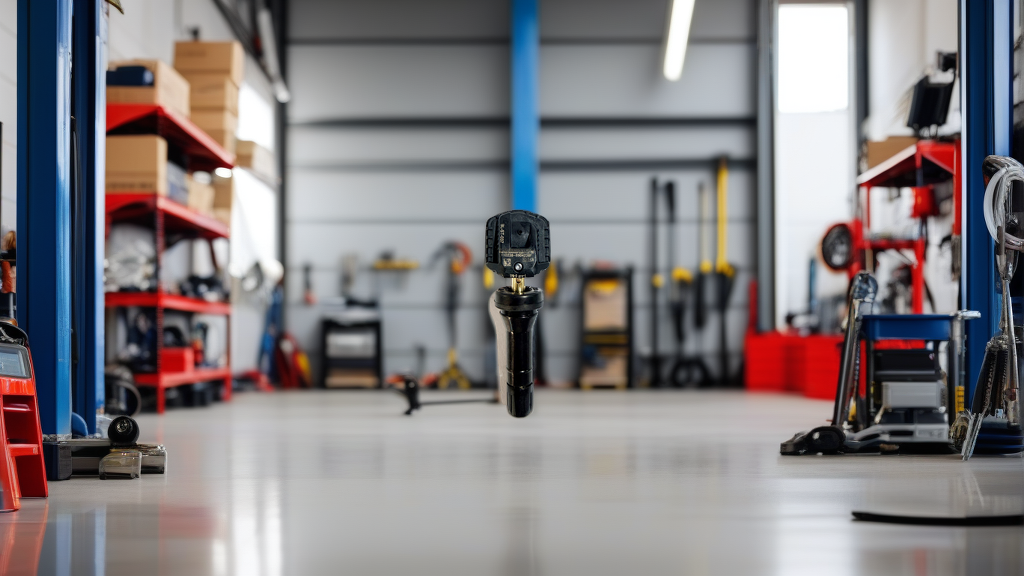
Aftermarket suppliers are consolidating SKUs — and the BL-ST-037 is a prime example of how platform sharing is changing the TPMS replacement game.
Walk into any independent shop that services Chinese-built sedans and you’ll see the same frustration play out: a 2016 E爱丽舍 rolls in with a blinking tire pressure light, the scan tool confirms a dead sensor in the left rear, and the parts catalog lists three different part numbers depending on whether the car was built in Wuhan or Shenzhen. The customer wants it fixed today. The distributor wants to know which OE number you actually need. And somewhere in the back of the shop, there’s a drawer full of “universal” sensors that never seem to program correctly on the first try.
That scene is becoming less common. The reason isn’t a breakthrough in wireless technology — it’s a shift in how aftermarket manufacturers approach cross-platform fitment. The BL-ST-037 from BH-Sens (manufactured by Baolong Technology) is a 433MHz clamp-in sensor that covers five dedicated OE applications across Fukang and Honda models, including the E爱丽舍. One part number. One frequency. No programming required before install.
The Platform Reality Behind the Cross-Reference
Here’s what most drivers don’t realize: the E爱丽舍 doesn’t share much sheet metal with a Honda Fit, but the TPMS system is a different story. Chinese domestic brands and joint-venture models have been sharing sensor platforms for years, often sourcing from the same Tier 1 suppliers. Baolong Technology is one of those suppliers, and they’ve built the BL-ST-037 to speak the same 433MHz language as the factory sensors fitted to Fukang and Honda models.
| Vehicle Application | OE Reference | Frequency |
|---|---|---|
| E爱丽舍 (2014-2019) | 4275333W | 433MHz |
| Fukang (select models) | ZQ01162780 | 433MHz |
| Honda Fit/Jazz (CN-spec) | 4275333W | 433MHz |
| Honda City (CN-spec) | ZQ01162780 | 433MHz |
| Honda CR-V (CN-spec, early) | 4275333W | 433MHz |
The engineering logic is straightforward: if the sensor transmits at the same frequency, uses the same data protocol, and mounts with the same clamp-in mechanism, the vehicle’s receiver doesn’t care about the brand stamped on the housing. It reads the ID, learns it, and moves on. That’s the entire basis of OE cross-referencing — and it’s why a single SKU can legitimately replace five different factory part numbers.
What Makes the BL-ST-037 Different From Cheap Universals
The market is flooded with $12 sensors that claim universal compatibility. Most of them are programmable — which sounds flexible until you’re standing in a parking lot with a dead battery in your programmer and a customer tapping their watch. The BL-ST-037 takes the opposite approach: it ships pre-programmed to match the specific OE IDs listed for those five applications. No cloning tool required. No manual frequency selection. You install it, trigger the relearn procedure on the vehicle, and the car’s ECU picks up the new sensor ID automatically.
That pre-programmed approach matters for a few reasons. First, it eliminates the most common installation error — setting the wrong frequency during programming. Second, it reduces the skill barrier for shops that handle TPMS work occasionally rather than daily. Third, it’s genuinely faster. A technician familiar with the E爱丽舍 relearn sequence can have a BL-ST-037 installed and registered in under ten minutes.
Construction quality is also a step above the bargain-bin options. The valve stem is solid brass with a nickel finish, the housing is sealed against moisture ingress, and the battery is rated for 5-7 years of service life. Baolong has been manufacturing TPMS sensors for OEM programs since 2002, so this isn’t a white-label import from an unknown factory — it’s the same production line that supplies several Chinese domestic automakers.
The Fitment Question That Actually Matters
Before you order, confirm which generation of E爱丽舍 you’re working with. The BL-ST-037 covers the models built between 2014 and 2019, which used the 433MHz system. Earlier E爱丽舍 models (pre-2014) used a different sensor frequency in some markets, and the 2020+ facelift models switched to a newer protocol that this sensor doesn’t support.
The same applies to the Honda applications — we’re specifically talking about China-market Fit, City, and early CR-V models. A US-market Honda Fit uses a different TPMS system entirely (indirect TPMS on many trims), so this sensor won’t help there. Always verify the OE number against your vehicle’s existing sensor before purchasing. If the old sensor has 4275333W or ZQ01162780 stamped on it, you’re good to go. If it shows a different number, keep looking.
Pro tip: When removing the old sensor, note the position (LF, RF, LR, RR) and write it on the service invoice. Some relearn procedures require a specific order, and having that reference saves a trip back to the customer’s driveway.
Real-World Performance and Shop Feedback
Independent shops that have stocked the BL-ST-037 report first-cycle success rates above 90% on the relearn procedure — meaning the vehicle accepted the new sensor ID on the first attempt without needing a second try or a manual ID entry. That’s a meaningful number when you’re billing flat-rate labor and don’t want to eat diagnostic time on a faulty sensor.
The one recurring complaint we’ve seen in the field is with vehicles that have been previously fitted with aftermarket sensors from other brands. In those cases, the ECU may have stored multiple learned IDs, and the relearn procedure sometimes needs to be run twice to fully clear the old data. That’s a vehicle-side issue, not a sensor defect, but it’s worth knowing before you start the job.
Buyers Takeaway for 2026
As Chinese automakers continue to standardize their electronics sourcing, expect more cross-brand sensor consolidation. The BL-ST-037 is an early example of where the aftermarket is heading — fewer SKUs, broader coverage, and pre-programmed convenience that reduces installation errors.
For shop owners and DIY owners working on E爱丽舍, Fukang, or China-spec Honda models, this sensor represents a practical replacement option that doesn’t require a drawer full of different part numbers. Keep one or two in stock and you’re covered for the most common 433MHz applications in that segment.
If you’re ready to add it to your inventory or replace a failed sensor on your own vehicle, check the fitment list one more time, then grab the BL-ST-037 TPMS sensor — it’s a solid, no-surprises part that does exactly what it claims.

Recommended Part: BL-ST-037 – OE-grade replacement, in stock now.