
The check-engine light isn’t the only warning system on a Touareg that can drive owners up the wall. When the parking assist starts beeping continuously—or worse, goes completely silent—most dealerships quote anywhere from $350 to $450 for a single sensor replacement, including labor. The sensor itself? That’s roughly $60-80 wholesale. The gap between those numbers is where independent shops are quietly building loyal customers.
The Touareg’s parking sensor system is robust, but it’s not invincible. Road debris, pressure washing at close range, and simple age all take their toll. The good news: a competent tech can swap one out in under 20 minutes with basic hand tools. Here’s the full breakdown.
Diagnose Before You Dismantle
Before ordering parts, confirm which sensor is actually dead. The Touareg’s module will usually tell you—plug in a scan tool capable of reading VW/Audi CAN bus data. The fault code will specify “Parking Aid Sensor, Front Left” or similar. If you’re flying blind, put the ear to each sensor. A working unit emits a faint clicking when the system activates. No click, no pulse, no function.
Another common culprit: cracked outer housing. The Touareg’s bumper clips and trim can trap moisture against the sensor body, leading to internal corrosion. If the sensor face looks crazed or spiderwebbed, replace it. Don’t bother with cleaning—ceramic elements that are cracked won’t recover.
Tools and Torque: Keep It Simple
You don’t need specialty tools for this job. A trim removal kit, a T20 Torx driver, and a flathead screwdriver cover 95% of Touareg parking sensor replacements. For the bumper harness connectors, needle-nose pliers help release the locking tabs.
Torque specifications on the sensor retaining bracket: 2.5 Nm. That’s it. These are plastic threaded inserts, not engine components. Over-tightening strips the threads and turns a 20-minute job into a bumper-off ordeal. If the bracket itself is damaged, it’s part of bumper repair—plan accordingly.
The sequence:
- Pop the bumper trim clips along the edge (use the trim tool, not a screwdriver—you’ll thank yourself later)
- Reach behind the bumper to unclip the sensor harness connector
- Rotate the sensor counter-clockwise roughly 30 degrees to release the bayonet lock
- Pull straight out, transfer the connector to the new unit
- Reinstall in reverse, making sure the sensor face sits flush with the bumper contour
Common Mistake: Installing the sensor upside down. The connector orientation matters—the harness lead should angle downward to shed water. Get it wrong and you’ll be doing this job again in six months when condensation kills the new unit.
The Right Part Matters
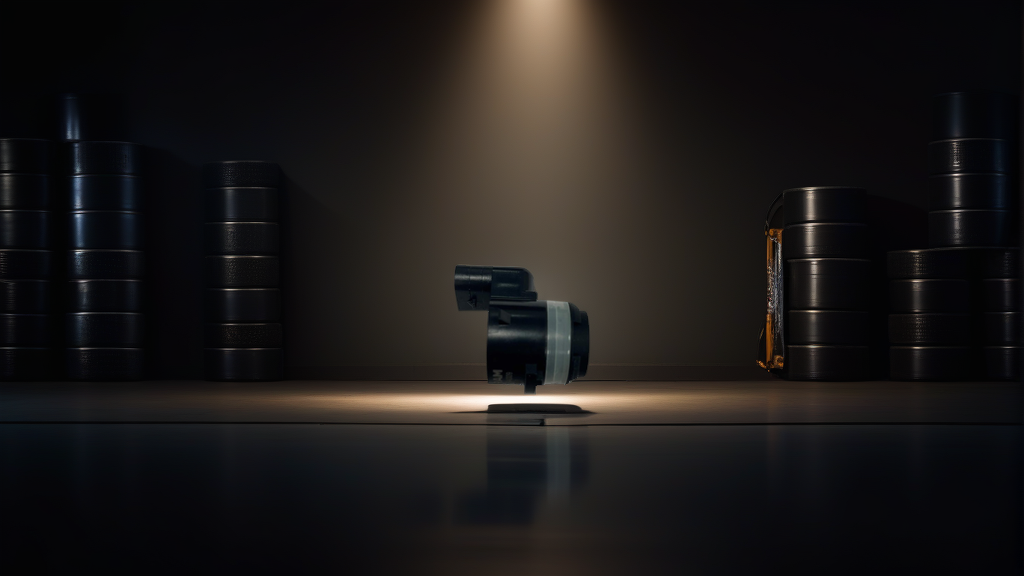
Not all parking sensors are created equal. The Touareg uses a specific frequency and cone angle for its ultrasonic array. A generic universal sensor might physically fit, but it’ll false-trigger or miss objects entirely. The OSRAM OS-PASA009 is a direct replacement for the 5Q1919275A OE number, covering not just the Touareg but other VW/Audi applications on the same MQB platform. OSRAM’s sensor matches the factory beam pattern and environmental sealing—two things cheap knock-offs tend to phone in.
When you’re quoting the customer, factor in the diagnostic time and the 20-minute labor window. At $100-120 shop rate, you’re at roughly $180-200 all-in with the part. That’s half the dealer price, and you’ve just given the owner a reason to come back for the next service.
Testing and Handoff
After reassembly, cycle the ignition and engage reverse. The system should emit a single confirmation beep. Walk around the bumper, placing your hand near each sensor to verify response. If the new sensor doesn’t respond, recheck the connector—it’s the number one cause of “replacement” failures that aren’t actually failures.
One more consideration: if the Touareg has been in a front-end collision that left the bumper repainted, warn the customer that aftermarket paint thickness can affect sensor sensitivity. It’s rare, but it happens. The OS-PASA009’s sensitivity adjustment handles most cases, but Toyota and VW owners report the occasional issue with thick resprays. The Touareg’s system is more forgiving than most, but don’t promise perfection on a car with bodywork history.
For the shop owner, stocking one of these per quarter is cheap insurance. It’s a fast-moving part for VW/Audi specialists, and the margin beats most tune-up work. For the DIY owner, it’s a Saturday morning project with clear instructions and a single point of failure. Either way, the dealership loses another service ticket.

Recommended Part: OS-PASA009 – OE-grade replacement, in stock now.