
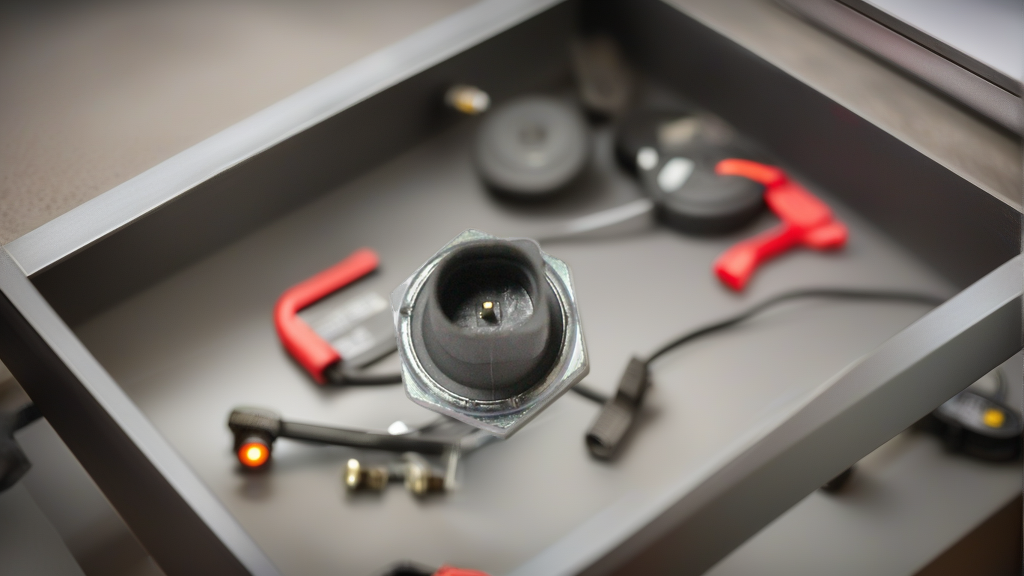
The 2.0T and 1.8T engines that anchor Audi’s modern lineup share a dirty secret with their Volkswagen cousins: the oil pressure sensor is a wear item, not a lifetime component. Across the 2005–2015 model years, these sensors fail with enough regularity that shops in the US and Europe stock them like filters. The good news? Cross-platform engineering means one part number covers a surprising breadth of vehicles — and the OSRAM OS-OPA013 fits squarely in that sweet spot.
The Failure Mode Nobody Warns You About
Oil pressure sensors don’t fail like alternators. They drift. A 2012 Audi A4 2.0T will start throwing a low-pressure warning at idle, only to read normal above 2,500 rpm. The gauge flickers. The dash light comes and goes. Most owners chase the problem with an oil change or a new pump before checking the 10-dollar sensor. It’s a classic misdiagnosis, and it costs hours of labor for nothing.
The OE equivalent for the 038919081M bolt-in is known for leaking internally — the diaphragm cracks, oil seeps into the electrical connector, and the signal goes haywire. When that happens, the ECU sees erratic pressure data and can trigger a limp mode that feels like a transmission issue. Experienced techs check the sensor harness for oil contamination before condemning the pump. It’s a 20-minute check that saves a $1,200 repair.
What Actually Fits
The OS-OPA013 covers two primary applications, but don’t let the short list fool you. Because Audi and Volkswagen share the EA888 and EA113 engine families across multiple chassis, this one sensor services:
- Audi A3 (8P) — 2006–2013, 1.8T and 2.0T
- Audi A4 (B7/B8) — 2005–2015, 2.0T
- Audi A6 (C6) — 2005–2011, 2.0T
- VW GTI, Jetta, Tiguan — 2006–2014, same engine families
The thread pitch is M10x1.0, and the electrical connector is the standard two-pin flat style. That’s it. No special tools, no coding, no adaptation after install. If the sensor sits near the oil filter housing and has a green or black plastic body with a two-pin plug, chances are high the OS-OPA013 drops in.
Pro Tip: Always replace the crush washer on the oil pressure switch port. The sensor itself has a sealing ring, but the housing threads on high-mileage EA888 engines accumulate carbon that prevents a clean seat. A new washer — not Teflon tape — is the correct fix.
Before You Buy: Verify Fitment Like a Pro
Do not trust “fits Audi” alone. Do this:
- Check the engine code — It’s on the timing chain cover or the sticker in the service book. EA888 gen 1 vs gen 2 have different sensor positions.
- Count the pins — The 038919081M is a two-pin switch. If your car has a three-pin sensor, it’s a different part, period.
- Match the thread — M10x1.0 is standard for most 2.0T engines, but some early 1.8T motors use an M14 thread. Measure if unsure.
The OSRAM Oil Pressure Sensor is built with a brass housing and a sealed diaphragm that resists the oil contamination that kills OEM sensors. For a part that takes 15 minutes to swap, it’s the kind of upgrade that prevents a repeat visit.
Buyer Takeaway
The aftermarket for German oil pressure sensors has matured. OSRAM’s version of the 038919081M offers the same signal reliability as the OE part at a fraction of the dealer cost. For shops that see VAG products daily, stocking the OS-OPA013 covers a wide swath of the Audi and VW fleet without carrying five SKUs. Verify the engine code, match the thread, and you’re done. It’s one of the few repairs on a modern Audi that doesn’t require a degree in electrical engineering.