
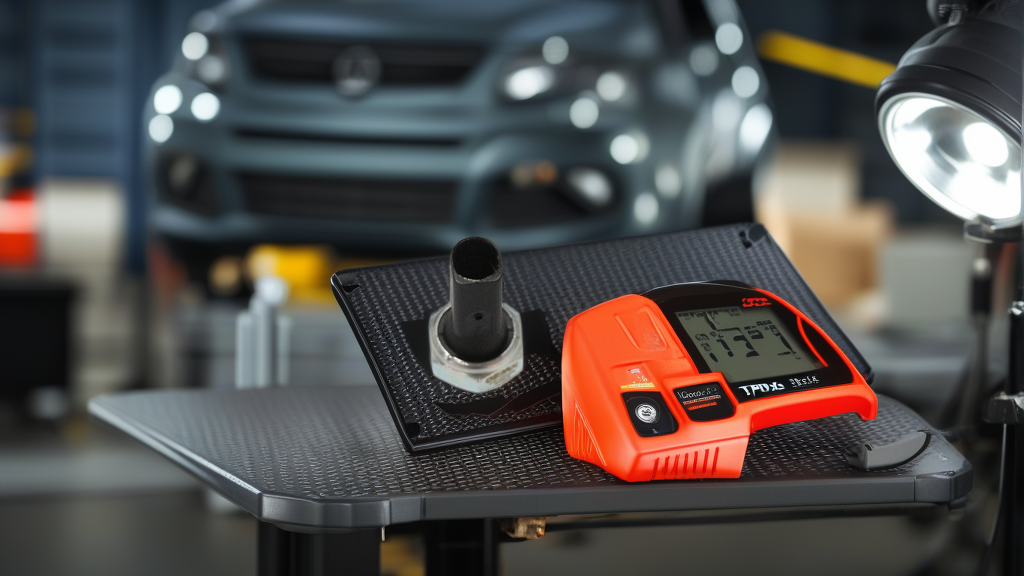
Audi dealers have never loved the phrase “parts bin engineering,” but the aftermarket industry has. When Ingolstadt built the EA113 and EA888 four-cylinder families across a two-decade production run, it quietly standardized dozens of components that independent repair shops now stock in a single drawer. The oil pressure sensor, a palm-sized switch that costs under $20 wholesale, is a textbook case.
The 06A919081J OE reference appears in four different Audi platforms: the B5 A4, the C5 A6, the first-generation TT, and even the A3’s early 1.8T applications. Same thread pitch, same electrical connector, same calibrated switch point. The newest of those cars is now nearly 20 years old, which means the aftermarket replacement cycle is not a question of “if” but “when.” That is why cross-reference catalogs matter more than ever — and why a single SKU can cover a surprisingly broad slice of the VW Group’s early-2000s lineup.
The Platform-Sharing Logic
Audi’s engine-sharing strategy was simple: build one block, spin it into dozens of models. The 1.8T and later 2.0T engines were used in longitudinal applications (A4, A6, A8’s smaller variants) and transverse applications (A3, TT). Oil pressure monitoring remained nearly identical across all of them. The sensor’s job is binary — it signals when pressure drops below a calibrated threshold, typically around 0.3 bar at idle, triggering the warning light and the buzzer that drivers dread.
What makes this relevant for parts suppliers in 2025 is the failure pattern. The original Bosch/VDO sensors were reliable for a decade, but heat cycling from the turbocharger’s proximity degrades the diaphragm over time. Oil leaks through the connector, or the switch fails open, causing intermittent warnings at stoplights. Independent shops see this constantly. The fix is a 10-minute job involving an oil filter socket, a bit of thread sealant, and a replacement sensor that must match the OEM’s switch point — not a universal “fitting” part.
That is where the OS-OPA004 comes in. It is manufactured under the OSRAM brand, sourced directly from a Chinese supplier that tracks the original VDO specifications. The housing is aluminum with a nickel-plated thread, the terminal pins are brass, and the sealing surface is machined to match the 1/8″ NPT thread used on these Audi engines. It reproduces the 0.3 bar switch point, which is the threshold that matters for warning-trigger accuracy.
| Specification | OS-OPA004 Value |
|---|---|
| OE Reference | 06A919081J |
| Switch Point | 0.3 bar ±0.05 |
| Thread | 1/8″ NPT |
| Connector | Single-pin, insulated |
| Operating Temp | -40°C to 150°C |
| Compatible Models | Audi A4, A6, TT (3 applications) |
Fitment: It’s Not Universal
Here is the nuance that separates a knowledgeable parts writer from a catalog scraper. The 06A919081J is not the only oil pressure sensor Audi used during this era. Some early 1.8T engines used a two-stage sensor with a different connector (the 06A919081A, for example). The OS-OPA004 is specifically matched to the later single-stage design that became standard from roughly 1998 onward. If someone walks in with a 1996 A4, verify the connector shape before recommending a fix. Cross-reference tools help, but nothing replaces checking the original part number stamped on the sensor body.
For the three applications listed — the B5 A4, the C5 A6, and the Mark I TT — the OS-OPA004 bolts in without modification. Shops that service these cars regularly should keep one or two on the shelf. The failure is common enough that a stocked unit turns a diagnosis-and-order-today job into a same-visit fix.
The Aftermarket Sourcing Shift
There was a time when “OEM” meant “German-made, premium price.” That has changed. Chinese manufacturing of automotive sensors has matured significantly, and the quality gap has narrowed to the point where most buyers cannot tell the difference without a lab test. The OS-OPA004 is a product of that shift. OSRAM’s brand name carries weight in lighting, but their involvement in sensors is a licensing/oversight arrangement with a dedicated supplier in Zhejiang. That supplier has shipped millions of these units to the North American and European aftermarket; the failure rate is low enough to justify the price point.
The market outlook is straightforward. The EA113 and early EA888 engines will not disappear overnight. Many are still daily drivers in Eastern Europe, South America, and Southeast Asia. Stateside, the enthusiast crowd keeps the 1.8T alive in A4s and TTs, and the tuning community treats oil pressure warnings with appropriate seriousness. Demand for correctly calibrated replacement sensors will continue for another decade at least.
For the buyer, the decision boils down to one question: do you want to pay $45 for a dealer sensor with the same switch point, or $15 for a brand-name aftermarket part sourced from the same kind of factory? For a 20-year-old car with 150,000 miles on it, the math favors the aftermarket. Just confirm the OE number on the old part before ordering. If it says 06A919081J, the OS-OPA004 | OSRAM Oil Pressure Sensor | Fits Audi | OE# 06A919081J is a direct drop-in replacement.
If you are stocking for a shop that sees German vehicles, add the OS-OPA004 to your next order. It covers three of the most common Audi applications of that era without inflating your SKU count. That is the kind of efficiency platform sharing was supposed to deliver — it just took the aftermarket a couple of decades to cash in.