
A Karry van rolls into the bay with the owner complaining the oil light flickers at idle but the dipstick shows full. You hook up a mechanical gauge — steady 22 psi. The dash gauge? Jumpy, sometimes reading zero. Classic symptom of a failing oil pressure sender, not a lubrication problem.
Here’s the tech behind the trouble. Modern oil pressure sensors — like the ones in Karry’s 1.5L and 1.8L engines — use a piezoresistive diaphragm. Engine oil pushes against a thin silicon membrane that changes electrical resistance as it deforms. That resistance shift gets converted into a voltage signal (usually 0–5V or 0.5–4.5V) that the ECU and dash interpret as psi. Some older Karry models use a simple on/off switch (oil light only), but if you’ve got a gauge, you’ve got a variable-resistance sensor.
Temperature and altitude also play into the reading. Oil viscosity changes with heat; colder oil reads higher pressure. A worn sensor can drift with temperature, giving false low readings on a warm engine. Altitude affects absolute pressure reference — some sensors are gauge-referenced (relative to atmosphere), others absolute. Karry tends to use gauge-reference sensors, so a leak in the reference chamber (or a clogged vent) throws readings off.
Pro Tip: If you’re seeing intermittent low-pressure warnings with no audible engine noise, swap the sensor before tearing the oil pump apart. Bench-test the old one with a multimeter and a 12V regulated supply — resistance should change smoothly as you apply manual pressure with a pump. A dead zone in the middle is a dead sensor.
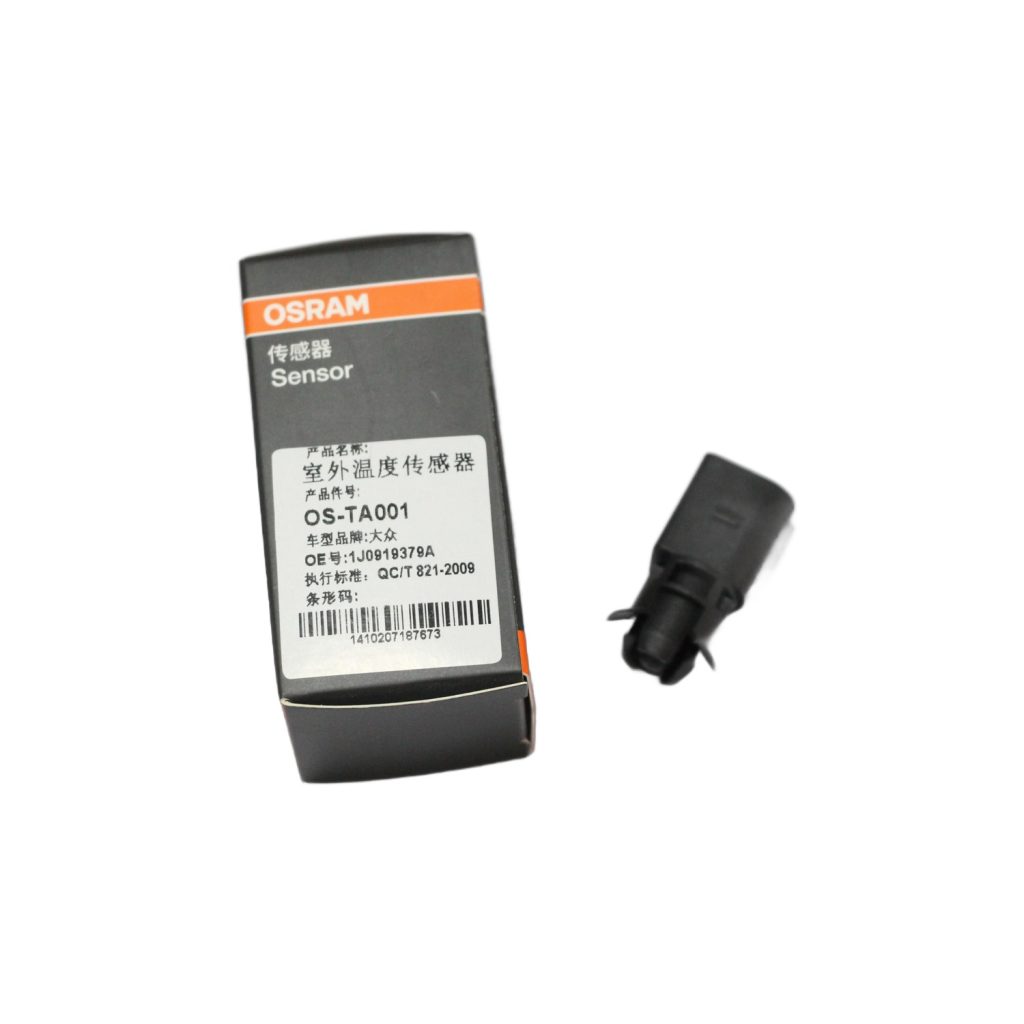
Your best drop-in fix? The OS-OPA008 | OSRAM Oil Pressure Sensor | Fits Audi, Volkswagen | OE# 059919081G — an OSRAM oil pressure sensor (OE# 059919081G) originally specced for Audi and Volkswagen 2.0 TDI and 3.0 TDI engines. That same piezo design crosses over to several Karry models that share the Volkswagen-derived EA211 platform. It delivers a linear 0.5–4.5V output with ±1% accuracy across the full pressure range. No more phantom warnings.
Installation takes 15 minutes: disconnect the harness, unscrew the old sensor (use a deep socket, don’t crush the housing), dab a little thread sealant on the new one’s brass threads, torque to 14–18 Nm. Reconnect, bleed a little oil at the starter, then run the engine. The gauge should settle at a steady reading within seconds.
Common mistake: reusing the old O-ring on the harness connector. That connector seals against oil ingress; a cracked O-ring lets oil wick into the pins, causing intermittent shorts. Replace it with the one included in the OS-OPA008 | OSRAM Oil Pressure Sensor | Fits Audi, Volkswagen | OE# 059919081G package.
Bottom line: If your Karry’s oil pressure gauge is telling stories, don’t chase ghosts in the wiring harness. Change the sender first. The OSRAM unit builds confidence at a fraction of dealer cost.