
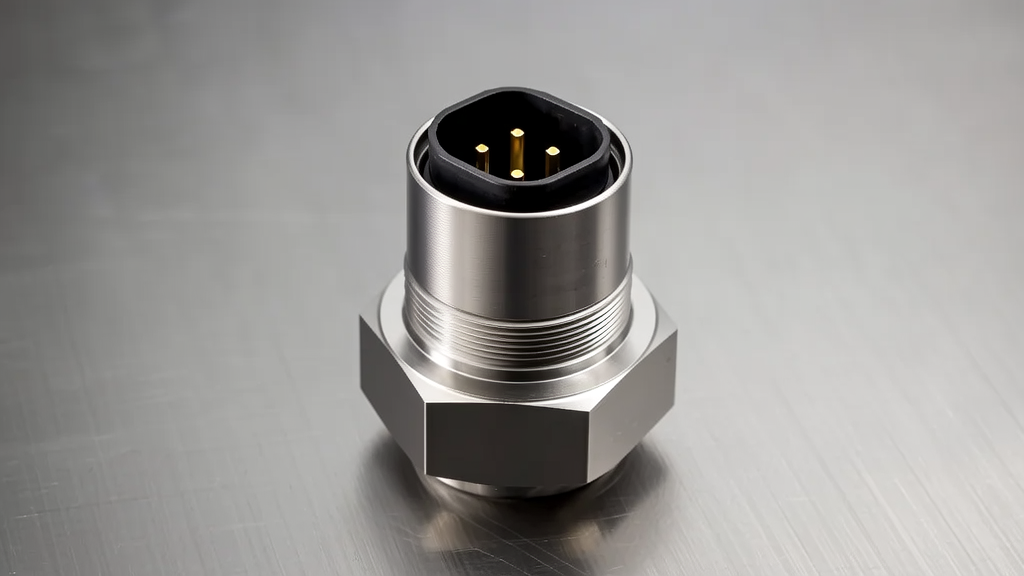
The phone rang Tuesday morning. Regular customer, 2011 Audi A4 2.0T, oil pressure light on. I told him to bring it in. By the time he pulled into the lot, I already had a XTS OS-OPA013 on the bench, because I knew exactly what he needed before I popped the hood.
That’s not guesswork. It’s pattern recognition from seeing the same OE 038919081M failure on a dozen different VAG models over the past year. And if you’re running a shop that services European makes, you’ve seen the same thing.
The Common Failure Pattern
On VW and Audi 2.0T engines—the EA113 and early EA888 generations—the oil pressure sensor sits near the oil filter housing. It’s a piezoelectric unit that sends a variable voltage signal to the ECU. When it starts to fail, the signal drifts or drops out entirely. The result? An intermittent or steady low oil pressure warning, even when actual oil pressure is within spec.
I’ve bench-tested enough of these to know the failure is internal. The sensing diaphragm develops micro-cracks, or the signal conditioning circuit degrades. The housing itself is usually sound. You can’t fix it—you replace it.
The symptom progression is predictable. First, the light flickers at idle on a hot engine. Then it stays on at hot idle but goes out when revved. Eventually, it stays on all the time. Drivers get nervous, and rightfully so—oil pressure warnings scare customers. But if you’ve seen this pattern before, you know the sensor is the first thing to check.
The Cross-Reference That Saves Your Parts Room
Here’s where platform sharing works in your favor. The OE number 038919081M cross-references to Audi A3 (8P), A4 (B8), A5 (8T), Q3 (8U), Q5 (8R) and Volkswagen Beetle (A5), CC (B6/B7), Eos, Golf (Mk6), Jetta (Mk5/Mk6), Passat (B6/B7), and Tiguan. That’s roughly 14 model lines across 12 model years.
The OS-OPA013 | OSRAM Oil Pressure Sensor | Fits Audi, Volkswagen | OE# 038919081M replaces all of them with one SKU.
I’ve installed these in a 2012 A4, a 2015 Passat, and a 2010 Q5 back-to-back. Same sensor, same thread pitch (M10x1.0), same electrical connector profile. The only variation I’ve seen is a green versus black plastic body, and that’s purely cosmetic—no functional difference. The spec is the same.
Common Mistake: Some techs replace the sensor and still get a warning. Nine times out of ten, it’s because they didn’t clear the fault code and let the ECU re-adapt. After installing the new sensor, drive the car through two warm-up cycles or use a scan tool to reset the oil pressure monitoring adaptation. On some EA888 engines, the ECU needs to see the new sensor’s voltage range before it stops flagging the old fault. I’ve seen shops chase a “bad part” for an hour when the sensor was fine and the adaptation just hadn’t completed.
Platform Sharing Explained—Why It Works
VW Group’s platform strategy is well known: one architecture, multiple brands. The PQ35 platform