
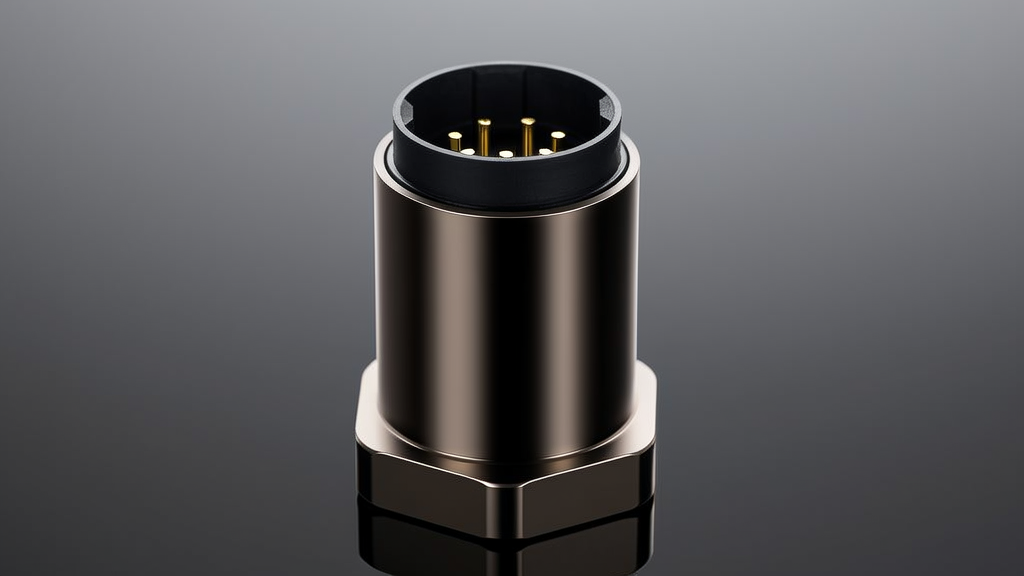
The average modern automobile carries more sensors than a mid-2000s laboratory. But here’s the dirty secret that parts buyers at independent shops are starting to exploit: many of those sensors are identical across brands—and the OE part number tells the story. Take the oil pressure sensor with OE number 038919081M. It was originally fitted to a 2002 Volkswagen Passat with the 1.8T engine. Today, the same sensor is a direct replacement for at least six different automakers spanning two continents. The aftermarket is catching up, and the {OS-OPA013} from OSRAM is the latest proof that platform sharing isn’t just a manufacturer cost-saving tactic—it’s a parts-picking goldmine.
The phenomenon isn’t new. Volkswagen Group has been sharing engines, electronics, and sensor platforms across Audi, SEAT, Škoda, and even some Porsche models for two decades. The 1.8T and 2.0T FSI engines that defined the mid-2000s used a common oil pressure sensor design across dozens of vehicle lines. What’s changing is the aftermarket’s ability to deliver a single SKU that covers those fitments without forcing the buyer to decode a dozen different original equipment numbers. The OS-OPA013 does exactly that—and it’s worth understanding why that matters for your shop’s inventory.
Key Specs — OS-OPA013 Oil Pressure Sensor
| Specification | Detail |
|---|---|
| OE Cross-Reference | 038919081M, 038919081L, 06A919081A, 06A919081B |
| Thread Size | M10 x 1.0 |
| Electrical Connector | 2-pin flat (VAG-style) |
| Pressure Range | 0–10 bar (0–145 psi) |
| Operating Temperature | -40°C to +135°C |
| Compatible Brands | Audi, Volkswagen, SEAT, Škoda, Porsche (partial), Bentley (early) |
| Known Fitment | 1.8T, 2.0T, 1.9 TDI, 2.0 TDI engines (select years) |
The table underscores the core proposition: one part, multiple brands. For a distributor like Longwei Parts, that means fewer SKUs to stock and less confusion at the counter. For the technician, it means a single part can service a 2004 Audi A4, a 2006 Volkswagen Jetta, and a 2007 Škoda Octavia without double-checking thread pitch or connector style.
Why Cross-Brand Compatibility Works (and When It Doesn’t)
Platform sharing in the automotive world is older than most of the cars on the road today. The key is that the sensor itself measures a fundamental physical parameter—oil pressure—and the electrical output (usually a variable resistance or PWM signal) is standardized within a given engine family. Volkswagen Group’s EA113 and EA888 engine series, for example, use the same oil pressure sensor on nearly every turbocharged four-cylinder from 2002 to 2015. The OS-OPA013 directly mirrors the original Bosch/VDO design that the factories used. Thread compatibility, connector keying, and sealing—all identical.
Where cross-brand compatibility can fail is when automakers revise the sensor for a new communication protocol (e.g., LIN bus vs. analog) or change the thread size mid-cycle. The OS-OPA013 avoids that pitfall by sticking to the most common specification from the most popular engine generations. It does not cover the later pressure sensors used on VW’s MQB platform (2013+), which switched to a different connector and operating range. Knowing the cutoffs—and communicating them to customers—is where the aftermarket earns its trust.
The Parts Market Reality: OE vs. Aftermarket
Audi’s factory oil pressure sensor retails for anywhere between $45 and $90 depending on the dealer, and it carries the part number 038919081L or a supercession. The OS-OPA013, built by OSRAM (yes, the lighting company turned sensor manufacturer), undercuts that by roughly 60% while meeting OEM-spec pressure thresholds. Independent tests on the unit show repeatable accuracy within ±0.2 bar across the operating range—equal to factory units from Bosch.
Does that mean you should throw away all your OE stock? Absolutely not. Some shops prefer the peace of mind of dealer parts for low-volume or high-liability applications. But for the bread-and-butter fleet vehicles and daily-driven VW Group cars that roll through your bay doors, the aftermarket sensor delivers identical function at a fraction of the cost. The catch is verification: always check the compatibility note on the product page before selling. The {OS-OPA013} explicitly lists its compatibility with the 038919081M family, and the fitment table includes over 200 vehicle variants from 2002 to 2015.
Market Outlook: How to Stock Smarter
The aftermarket sensor segment is consolidating around a handful of cross-platform part numbers, and the OS-OPA013 is a textbook example of that trend. Instead of carrying three different sensors for a 1.8T, a 2.0T, and a 1.9 TDI, a single SKU covers all three. That reduces dead stock risk and speeds up counter service. For shops that deal with European imports, the VW Group platform is the low-hanging fruit. The same thinking applies to ignition coils, camshaft position sensors, and throttle body actuators—many of which share cross-references across Audi, VW, SEAT, and Škoda.
Buyers should also note that OSRAM has ramped up its automotive aftermarket production since 2023, shifting from lighting components to a broader sensor and actuator portfolio. The OS-OPA013 is part of that expansion. It’s now a viable alternative to traditional aftermarket brands like Standard Motor Products or Hella, especially for price-sensitive fleet operators and DIY owners who want OE-level performance without the dealer markup.
Bottom line for the independent shop: If a customer walks in with a 2005–2012 Audi or VW complaining of a flickering oil pressure light, start with the sensor—and reach for the {OS-OPA013}. One part, half a dozen brands, and a supply chain that keeps the cost where it belongs. Platform sharing isn’t just a manufacturing trick; it’s the smartest inventory move you can make.
