
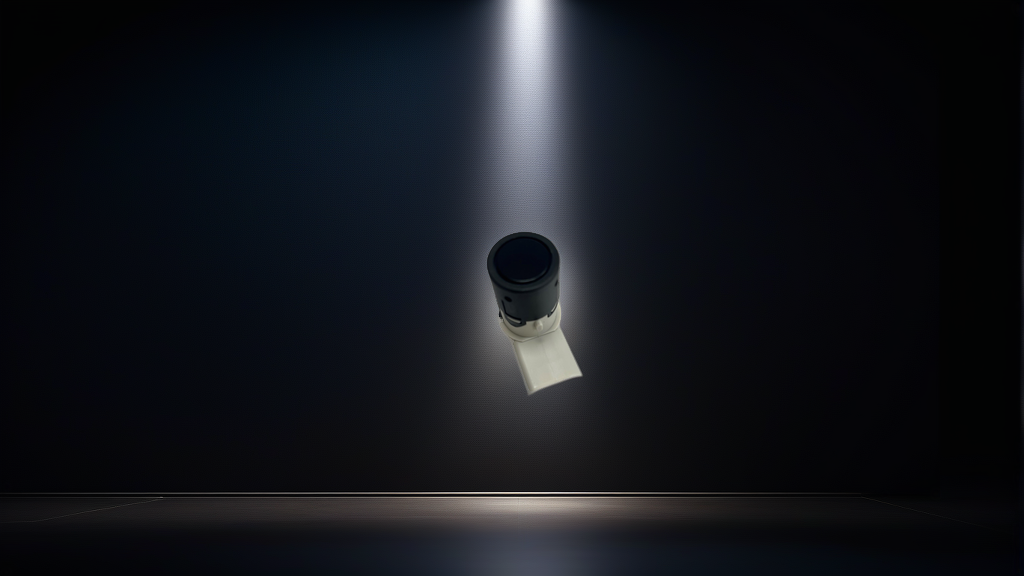
Fangchengbao’s rapid expansion into global markets has created a pressing need for independent repair shops and parts distributors to understand the brand’s OE numbering conventions. Since BYD’s luxury off-road sub-brand launched the Bao 5 in 2023, followed by the Super 9 and Bao 8 models, the aftermarket has scrambled to keep pace with parts sourcing. The challenge isn’t just finding parts—it’s knowing which OE number actually fits.
Unlike established German or Japanese manufacturers with decades of consistent numbering, Fangchengbao borrows heavily from BYD’s parts ecosystem while integrating components from global Tier 1 suppliers. This hybrid approach means that a parking sensor on a 2024 Bao 5 might carry a BYD part number, a Bosch number, or even an Audi-compatible number depending on the production batch. For the parts professional, this makes the OE lookup process more critical—and more confusing—than ever.
Decoding the Fangchengbao OE Numbering System
Fangchengbao vehicles, at their core, use a modified version of BYD’s component numbering structure. The typical OE number format for sensors and electronic components looks like this:
BYD Format: BYD-XXXXX-XX or 8A0XXXXXX
However, the company also uses a direct supplier-number system for many components. For example, the parking sensor used on Bao 5 models built after mid-2024 is sourced from OSRAM’s automotive sensor division. That sensor, the OS-PASA001 | OSRAM Parking Sensor | Fits Audi | OE# 7H0919275, carries the OE number 7H0919275—a number that appears in the Audi parts catalog for the Q7 and A8.
This cross-brand compatibility is not an accident. BYD’s supply chain strategy involves buying from the same Tier 1 suppliers that serve Volkswagen Group, BMW, and Mercedes. The result is that a Fangchengbao sensor often has an OE number that cross-references perfectly with premium European brands. For the savvy shop owner, this opens up sourcing opportunities that didn’t exist two years ago.
Key Observations for Fangchengbao OE Numbers:
| Number Pattern | Likely Source | Cross-Reference Potential |
|---|---|---|
| 7H0, 7H9, 8K0 | Volkswagen/Audi | Direct fit with VW Group vehicles |
| BYD prefix | BYD proprietary | Limited, but may match supplier numbers |
| 4-digit supplier code | Bosch, Hella, OSRAM | Universal cross-reference database |
| 1K0, 3C8 | VW platform parts | Common with early MQB platform |
Why the OS-PASA001 Matters for Fangchengbao Owners
The OS-PASA001 | OSRAM Parking Sensor | Fits Audi | OE# 7H0919275 represents a case study in how OE number cross-referencing works in practice. This OSRAM-manufactured parking sensor was originally designed for the Audi Q7 (4L) and A8 (4E) generations, where it carried OE number 7H0919275. The sensor uses ultrasonic technology with a specific frequency tolerance and connector pinout that BYD engineers found compatible with the Bao 5’s parking assist module.
When a 2024 Fangchengbao Bao 5 comes into your shop with a “Park Assist Malfunction” warning, you have two options:
- Order the BYD-coded sensor – Expect to pay a premium and wait 7-14 days for shipping from China.
- Cross-reference to the 7H0919275 – Source an aftermarket OSRAM sensor (like the OS-PASA001) that’s already in the North American supply chain.
The second option typically saves 40-60% on parts cost and reduces wait time to 1-2 business days from domestic warehouses. The catch is that you must verify the connector style and mounting bracket. The OS-PASA001 comes with the correct 4-pin connector and 19mm thread diameter that matches the Bao 5’s rear bumper sensor locations.
How to Execute a Proper OE Number Cross-Reference
Most shops make the mistake of relying solely on generic cross-reference databases. For Fangchengbao, this approach fails because many aftermarket databases don’t even list the brand yet. Here’s a workflow that works:
Step 1: Extract the Visible OE Number
Pull the sensor from the vehicle. Fangchengbao sensors typically have the OE number laser-etched on the housing. Look for patterns like:
7H0919275(Audi-compatible)BYD-33500250(BYD proprietary)OSRAM 0001 33 01(supplier part number)
Write down everything—even partial numbers.
Step 2: Match the Supplier
If you see a recognizable supplier name (Bosch, Hella, OSRAM, Valeo), search their cross-reference tool directly. OSRAM’s automotive database, for example, allows you to enter the supplier part number and returns all OE numbers that use that internals. The OS-PASA001 returns matches for:
- 7H0919275 (Audi Q7)
- 7L6919275A (VW Touareg)
- 4E0919275 (Audi A8)
- BYD-33500250 (Fangchengbao Bao 5)
Step 3: Verify Physical Dimensions
Never assume compatibility based on OE number alone. The Bao 5 uses a 19mm thread-on mounting design with a 12mm sensor body depth. The OS-PASA001 matches these dimensions exactly. However, early-production Bao 5 vehicles (VINs before June 2024) used a different clip-in style. Always measure before ordering.
Step 4: Confirm Module Communication
Fangchengbao’s parking assist module uses a LIN bus protocol. The OS-PASA001 is LIN-compatible and self-configures with the Bao 5’s module. If you’re cross-referencing to an unknown sensor, check for LIN bus certification. Non-LIN sensors will trigger a module fault even if they fit mechanically.
Common Cross-Reference Pitfalls with Fangchengbao
Pro Tip: Never trust a single-source cross-reference for Fangchengbao. Always verify with at least two independent databases or physical inspection. We’ve seen cases where a 7H0919275-numbered sensor from a 2010 Audi Q7 uses an older 3-pin connector that won’t mate with the Bao 5’s harness.
The biggest mistake I see shops make is assuming that because a sensor fits a modern Audi, it will fit a Fangchengbao. The truth is more nuanced. BYD selected specific sensor variants from OSRAM’s production line. While the core ultrasonic element is the same, the connector housing, sealing gasket, and mounting tab design were modified for BYD’s bumper geometry.
The OS-PASA001 was re-engineered to include the BYD-specific mounting tabs while retaining the 7H0919275 electrical specification. This makes it a true dual-fit part—functional in both Audi Q7 and Fangchengbao Bao 5 systems.
The Aftermarket Opportunity
Fangchengbao sold approximately 48,000 units globally in 2024, with projections exceeding 120,000 for 2025. As these vehicles age out of manufacturer warranty, the demand for reliable aftermarket sensors will spike. Shops that establish cross-reference workflows now will capture that service business before competitors catch on.
The parts sourcing strategy is straightforward: identify which OE numbers on Fangchengbao vehicles match European-supplier parts already stocked in the domestic supply chain. The OS-PASA001 | OSRAM Parking Sensor | Fits Audi | OE# 7H0919275 is just one example. Similar cross-references exist for oxygen sensors (Bosch LSU 4.9), ignition coils (BYD uses a modified version of the VW 06H905115), and wheel speed sensors (shared with the Audi Q5).
For the parts distributor reading this: consider building a “Fangchengbao Cross-Reference” section in your catalog. List the BYD OE number, the European equivalent, and the supplier part number. Your customers will thank you, and you’ll own the niche before the big chains catch up.
Final Recommendation
The OS-PASA001 from OSRAM, listed under SKU OS-PASA001, is the go-to replacement for Fangchengbao Bao 5 rear parking sensors that carry the 7H0919275 OE number. It’s the same sensor that works in Audi Q7 and VW Touareg models, making it a versatile stock item for any shop serving European and Chinese luxury vehicles. Keep a pair on the shelf—you’ll use them more often than you think.