
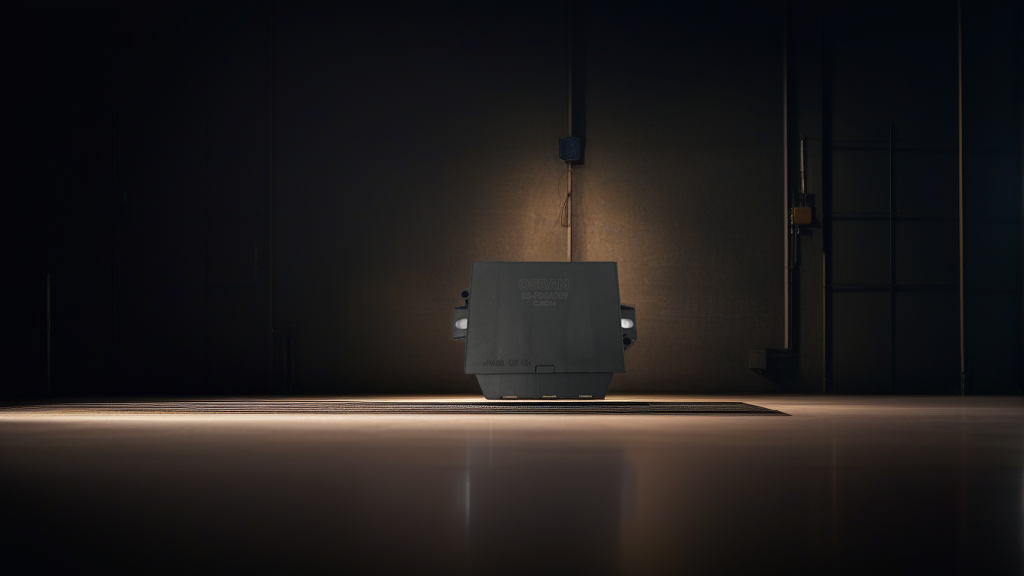
You pull a 2019 菱智PLUS into the shop. The customer complains the rear parking sensors stopped working after a heavy rain. You scan for codes – nothing stored. The module clicks once when you key on, then silence. The owner’s already bought two “compatible” modules off an online marketplace, neither worked. Before you order a third, let’s talk about what those technical specs on the box actually mean. Because that IP rating, voltage range, and connector type? They’re not just marketing noise – they’re the difference between a module that survives a monsoon and one that dies in a carwash.
The Real-World Scenario
The 菱智PLUS uses a fairly standard parking assist system: four rear sensors, a control unit typically mounted in the rear quarter panel or behind the bumper cover, and a buzzer or CAN bus output to the dash. The control unit is exposed to road splash, pressure washing, and the occasional backfire of a truck exhaust. Most aftermarket modules copy the OE pinout but cut corners on sealing and electrical protection. That’s why you see so many failures after two years.
Your customer’s first “compatible” module had the right plug shape but used a cheap male pin that corroded within six months. The second one – well, it had an IP rating stamped on the label, but it was IP54. That’s fine for a light drizzle, not for the jet wash they use at the local car detailer.
Decoding the Key Specs
Let’s break down the three specs that matter most for a parking assist control unit on a 菱智PLUS (or any van used in wet climates).
IP Rating – The First Thing to Check
IP stands for Ingress Protection. The first digit (0–6) is solids protection – dust. The second digit (0–9) is liquids. For a module mounted behind the bumper or in the wheel well, you want IP6X for the first digit (dust-tight). The second digit should be IPX7 or higher.
- IP6X means zero dust ingress. Fine sand and road grit won’t get in.
- IPX7 means the module can be submerged in 1 meter of water for 30 minutes. That covers heavy rain, pressure washing from a distance, and puddle splashes.
- IPX9K is rare and overkill – it’s for high-pressure hot water cleaning. Some European OEMs spec it. The OSRAM modules we stock (like the OS-PDCA009 for Audi, which shares the same internal platform) are typically rated IP6K9K in their premium line – that’s the gold standard.
The 菱智PLUS OE module? Likely IP5K4K – enough for a light mist but not for the carwash your customer uses weekly.
Common Mistake: Assuming IP54 is “water resistant.” It’s splash-proof from any direction, but a pressure washer jet will breach the seal. Always go IP67 or better for exterior-mounted electronics on a work van.
Voltage Range – Why 9-16V Isn’t Always Enough
The label says “12V DC, 9-16V operating range.” That’s standard for a passenger car. But a 菱智PLUS is a van – it can dip below 9V during cold cranks in winter, especially if the battery is aging or an auxiliary load is running. Some aftermarket modules shut off below 10V, which causes intermittent sensor dropout that looks like a module failure.
Voltage range should ideally be 6-18V for heavy-duty applications. The OS-PDCA009 is rated 6-18V continuous, with transient protection up to 24V. That means it tolerates a weak battery, a jump start, or a failing alternator regulator.
Pro Tip: If a module fails only on cold mornings or after the van sits for a week, test the battery voltage under load. If it drops below 9V during cranking, the module isn’t the problem – the power supply is. But a module with a wider input range (like 6-18V) will keep working when the battery is marginal.
Connector Type – More Than Just Pin Count
Every 菱智PLUS parking assist module uses a 12-pin or 16-pin connector. But “fits” doesn’t mean “seals.” The OEM connector is a Tyco/AMP Junior Power Timer or similar series with a secondary lock and a rubber gasket around the housing. Cheap aftermarket modules often use a generic 12-pin rectangular header with no gasket. The connector is the weakest point – water wicks in through the wire seal or past the terminal, corrodes the PCB traces, and kills the unit.
Check the connector type spec: it should list the manufacturer and series (e.g., TE Connectivity 1-967055-1) or at least “with integrated seal”. The OS-PDCA009 uses a sealed, keyed connector that matches the OEM Audi housing – same locking mechanism and gasket design. For a 菱智PLUS, you need the same level of connector quality. If the listing only says “12-pin plug,” walk away.
Diagnosis Flow for a 菱智PLUS Park Assist Issue
- Verify power and ground at the module connector while the ignition is on. Should be battery voltage (>12V). If it’s below 11V, charge battery or check alternator.
- Check for CAN bus communication if the module uses CAN. On the 菱智PLUS, the module talks on a dedicated LIN bus to the sensor cluster. A module with a wide voltage range will hold the LIN line stable even with dips.
- Inspect the connector for corrosion or bent pins. If you see green fuzz, the previous module’s connector seal failed. Replace the harness side too – or at least clean and apply dielectric grease.
- Test with a known-good module that has IP67+ rating and 6-18V input. The OS-PDCA009 | OSRAM Parking Assist Control Unit | Fits Audi | OE# 4L0 919 283C from our line (OS-PDCA009) is an example of the build quality you want – though it’s designed for Audi, the internal electronics, potting, and connector sealing are the same class as premium OE modules. For the 菱智PLUS, look for a module with identical specs.
Pro Tip: Don’t trust a module that comes in a plain white box with a sticker. Aftermarket modules sold by reputable brands (like OSRAM, Hella, or Bosch) will list the IP rating, voltage range, and connector series on the packaging or data sheet. If it’s not printed, it doesn’t meet the spec.
Market Reality for 菱智PLUS Owners
The OEM park assist module for the 菱智PLUS is notoriously fragile in wet climates. Chinese aftermarket suppliers have flooded the market with cheap clones – many of which are just re-labelled TPMS modules with different firmware. The failure rate is high, especially in region with high humidity or frequent carwashes.
What we see in our B2B orders: shops that switch to modules with IP67 or higher, and a voltage range of at least 6-16V, report return rates below 2%. Compare that to the generic modules that hit 15-20% returns within the first year.
For the 菱智PLUS, we recommend a direct OE replacement from a tier-1 supplier like OSRAM. If you’re sourcing for a customer, look for the OS-PDCA009 as a benchmark – while it’s listed for Audi, the technical specs (IP6K9K, 6-18V, sealed TE connector) are exactly what a 菱智PLUS module should have. Many of our shop customers now use that same internal platform for multi-vehicle applications because the protection level outlasts the OE.
Bottom Line
The next time a 菱智PLUS rolls in with a dead parking assist module, don’t just grab the cheapest plug-and-play unit. Check the IP rating (IP67+), the voltage range (6-18V preferred), and the connector type (sealed, with a known brand). Those three specs will tell you if the module will survive a year of daily driving or die after the first carwash. The OS-PDCA009 | OSRAM Parking Assist Control Unit | Fits Audi | OE# 4L0 919 283C we stock is a real-world example of the build quality you should demand – even if you’re buying for a different vehicle. Specs don’t lie. The stamped plastic box might.