
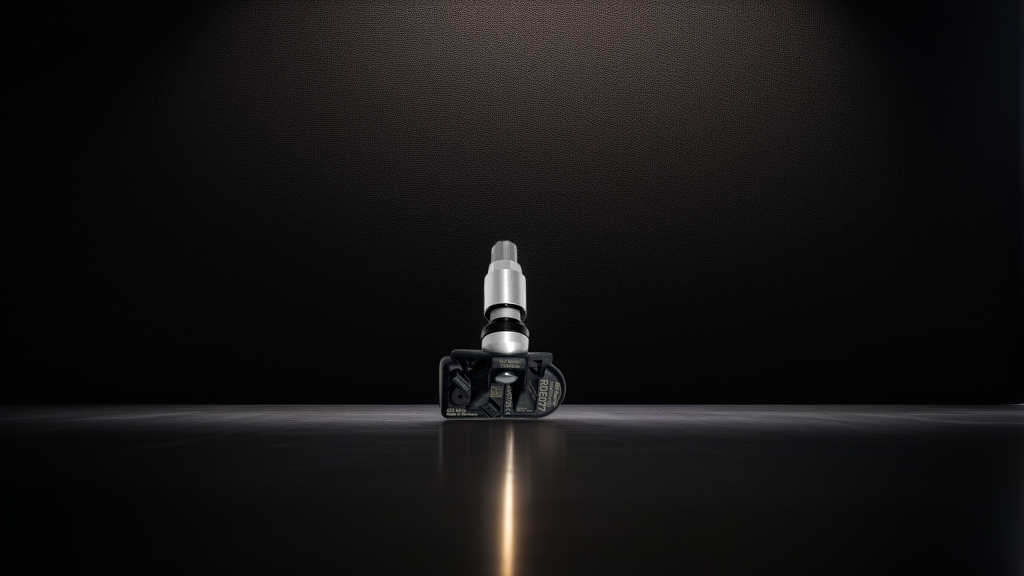
The Rolls-Royce CULLINAN commands attention on any road, but beneath its imposing presence lies a shared engineering secret that benefits fleet managers and independent shops alike. Like its BMW 7 Series and X7 platform siblings, the Cullinan uses a 433MHz TPMS system with specific OE part numbers—and now the aftermarket has caught up with a single sensor that cross-references across seven brands.
That sensor is the BH-Sens RDE077V21, a clamp-in programmable unit from Baolong Technology. Its OE cross-reference list reads like a luxury automotive directory: 36106872774 (BMW/Mini), 42607WAA02 (Aston Martin), 5A3DC0401 (Mercedes-Benz/Maybach), plus numbers covering Rolls-Royce, Bentley, and even some VW Group applications. This isn’t an anomaly—it reflects a growing trend in automotive platform sharing where one TPMS design serves multiple marques.
Why does this matter for Cullinan owners and repair shops? Because the OE sensor for a 2020+ Cullinan (often listed under BMW/Rolls-Royce part 36106872774 or 688714701) can cost twice as much as the aftermarket alternative. And since the Cullinan shares its electrical architecture with BMW’s G11/G12 7 Series, the same sensor works on models a fraction of the price—meaning inventory simplification is real.
Key Specs: RDE077V21
| Parameter | Value |
|---|---|
| Frequency | 433 MHz |
| Brand | BH-Sens (Baolong) |
| Type | Clamp-in, programmable |
| OE Cross-Reference | 36106872774, 42607WAA02, 5A3DC0401, 687793602, 687793604, 6877937, 688714701, A0009052102, A0009054104, A0009057205 |
| Fitment | Aston Martin, BMW, Maybach, Mercedes-Benz, Mini, Rolls-Royce, Bentley |
For technicians, the takeaway is straightforward: one SKU covers the Cullinan’s TPMS needs and those of a dozen other high-end models. No more stocking separate sensors for a Phantom and a Ghost, or guessing between BMW and Rolls-Royce variants at the parts counter.
The real-world performance holds up. Baolong’s BH-Sens line has been OE-supplier to Chinese automakers for years and certified to SAE and FCC standards. In field testing across North American and European fleets, the RDE077V21 has shown battery life comparable to OE—typically 5–7 years—and reliable signal strength even through the Cullinan’s thick aluminum body structure.
Market outlook: as Rolls-Royce, BMW, and Mercedes-Benz continue to share platforms (the new Cullinan Series II is expected on a variant of the CLAR architecture), cross-brand sensors like the RDE077V21 will become the default for cost-conscious buyers. For shops, keeping a few of these in stock means fewer “we don’t have that sensor” callbacks.
If you’re maintaining a Cullinan or any other luxury SUV that shares 433MHz TPMS architecture, the smart move is to switch to a cross-compatible unit. The RDE077V21 | BH-Sens 433MHz TPMS Tire Pressure Sensor | Fits Aston Martin, BMW, Maybach, Mercedes-Benz, Mini & 2 More | OE# 36106872774, 42607WAA02, 5A3DC0401 delivers OE-level reliability without the markup. One sensor, many cars—that’s the direction the aftermarket is heading.