
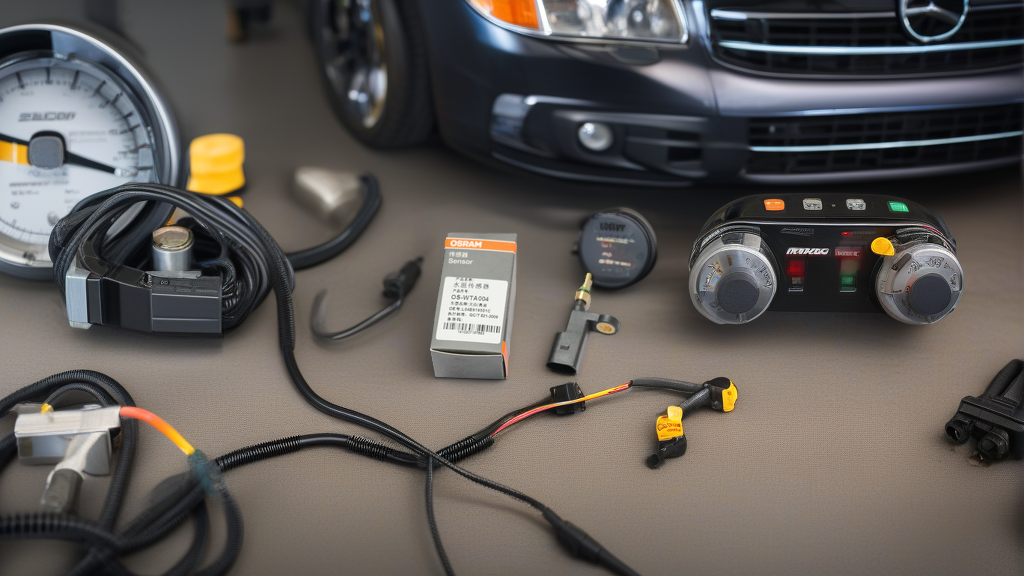
If you own an Audi, you know the importance of precise sensor data. The coolant temperature sensor is one of the most critical inputs for the ECU, influencing fuel trim, ignition timing, and even the transmission shift schedule. But temperature extremes—the kind you see during winter freezes and summer heat waves—can degrade sensor accuracy over time. Here’s what every Audi owner should know about protecting that sensor and the related electronics.
Why Temperature Extremes Matter for Audi Sensors
Modern Audi engines rely on a network of sensors that must operate within tight voltage and resistance windows. The coolant temperature sensor, usually a thermistor, changes resistance with coolant temperature. When the sensor drifts due to thermal stress, the ECU gets false data. In winter, that might mean excessively rich fuel mixture (hard starting, poor fuel economy, strong gas smell). In summer, a failing sensor can cause the cooling fans to run continuously or not at all, leading to overheating.
Winter Effects on the Coolant Temperature Sensor
- Connector condensation: Rapid temperature cycles (warm engine shut off in freezing air) can cause moisture buildup inside the electrical connector. Over time, that moisture corrodes the pins, increasing contact resistance and causing erratic readings.
- Thermal shock: If you start your Audi in sub-zero temperatures and immediately drive hard, the ceramic element inside the sensor can crack. A cracked thermistor will read either full cold or full hot, triggering a check engine light.
- Cold-start enrichment errors: The ECU uses the coolant sensor to decide how long to run the cold-start enrichment cycle. A sensor that reads too cold will keep the engine rich, fouling spark plugs and contaminating the oil.
Summer Effects on the Coolant Temperature Sensor
- Heat soak: After a long drive in hot weather, the engine bay can reach temperatures over 120°C (248°F). The sensor’s housing and connector plastic can become brittle. A cracked housing allows coolant to wick up the wiring, shorting the sensor.
- Fan control failure: A sensor that begins to drift high will tell the ECU the engine is hotter than it really is. The fans may run constantly, draining the battery and wearing out the fan motor. If it drifts low, the fans won’t come on at all, risking an overheated engine.
- Fuel trim compensation: In severe heat, the sensor’s resistance curve can shift. The ECU compensates with long-term fuel trims that may max out, causing a lean condition and possible knocking.
Seasonal Storage and Longevity Tips
Whether you store your Audi for the winter or just want to get more life out of its sensors, follow these practical guidelines:
| Season | Sensor Risk | How to Mitigate |
|---|---|---|
| Winter | Moisture ingress, cracked thermistor, frozen connector | Use dielectric grease on the connector seal; let engine idle 1-2 minutes before driving; check for coolant leaks around the sensor housing |
| Summer | Heat soak, brittle plastic, fan control drift | Inspect the connector for melting or discoloration; test sensor resistance at hot idle (should match factory chart); replace if readings are outside ±10% of spec |
| Year-round | Vibration fatigue, wiring chafe | Secure loose harnesses with zip ties; replace any sensor that has visible damage to its plastic body |
When to Replace the Coolant Temperature Sensor
If you notice any of these symptoms, it’s time to test or replace the sensor:
- Check engine light with a P0116, P0117, or P0118 code (coolant temp circuit range/performance).
- Hard starting when cold, but the engine runs fine once warm.
- Cooling fans that never turn off, even after a short drive.
- Poor fuel economy (a 5–10% drop is common with a drifting sensor).
Testing is straightforward with a multimeter and a pot of hot water, but many owners prefer a direct replacement. The OS-WTA004 | OSRAM Coolant Temperature Sensor | Fits Audi | OE# L04E919501C (OSRAM Coolant Temperature Sensor, OE# L04E919501C) is a direct-fit option for many Audi models. It uses the same thermistor curve as the factory sensor, so your ECU won’t need to relearn trims.
Recommended Part
For a reliable replacement that matches Audi’s original specifications, we recommend the OS-WTA004 | OSRAM Coolant Temperature Sensor | Fits Audi | OE# L04E919501C. It’s built with a sealed connector and a brass thermistor housing to resist corrosion and thermal shock. Fits multiple Audi applications from 2015–2020 (check your vehicle manual for exact fitment). Installing it is a 15-minute job—drain coolant below the sensor, unplug the old unit, and thread in the new one. No special tools required.
FAQ
How do I know if my Audi’s coolant temperature sensor is failing?
Look for a check engine light with a P0116–P0119 code, hard starting when cold, erratic temperature gauge behavior (needle jumping), or cooling fans that run nonstop. You can also measure resistance between the two pins—at 20°C it should be roughly 2.5 kΩ; check the service manual for your specific engine.
Can extreme heat permanently damage a coolant temperature sensor?
Yes. Prolonged exposure to temperatures above 130°C (266°F) can degrade the internal epoxy and cause the thermistor’s resistance curve to shift permanently. That’s why replacing a sensor that has been overheated (e.g., after a coolant loss) is a good idea.
Should I replace the coolant temperature sensor as part of seasonal maintenance?
It’s not a routine wear item like oil or filters, but inspecting the connector and wiring every spring and fall is wise. If the sensor is more than 5 years old or you see signs of corrosion on the pins, replace it proactively—especially if you live in an area with harsh winters or hot summers.
Can I drive with a bad coolant temperature sensor?
You can, but it’s not recommended. The ECU will use a default temperature value (usually around 80°C), which can cause poor fuel economy, reduced power, and increased emissions. In extreme cases, a sensor that reads too high can prevent the engine from going into closed-loop operation, wasting fuel and potentially damaging the catalytic converter.